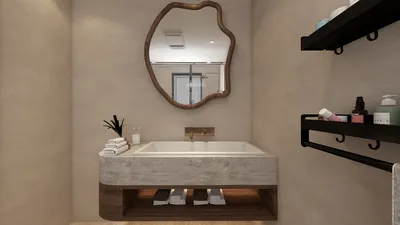


Columns possess a distinctive magnetic quality, masterfully influencing movement, framing perspectives, and orchestrating light in ways that few architectural features can replicate. I navigate these areas by striking a balance between classic elegance and modern comfort, meticulously adjusting the spacing of columns, optimizing light intensity, and refining acoustics to ensure the hall feels both sophisticated and effortlessly usable.
Proportions serve as the core foundation for design. Research conducted by Gensler reveals that spatial clarity—the definition of areas and ease of movement—strongly relates to the perceived efficiency of a space, particularly in larger settings. WELL v2 similarly prioritizes visual comfort along with glare management as essential components for enhancing cognitive function and occupant satisfaction. In a pillared hall, the space between columns—known as intercolumniation—typically ranges from 1.5 to 2.5 times the diameter of the column to achieve a harmonious rhythm; an overly tight configuration hampers movement, while too wide a spacing disrupts the structural cadence.
Light plays a pivotal role in unifying the design elements. I employ layered lighting strategies that align with IES recommendations: ambient lighting should hover between 200 and 300 lux for circulation, while accent lighting ratios are higher to emphasize architectural details without creating stark contrasts. A color temperature range of 3000 to 3500K effectively balances warmth and clarity, ensuring that materials such as stone or wood shine without appearing excessively sterile.
Establish a Clear Rhythm and Spatial Hierarchy
A hall is most effective when columns establish a recognizable sequence. I typically position primary aisles along the hall's longest dimension, allowing secondary pathways to gracefully align with columns. During my assessments of seating arrangements, display areas, or event setups between colonnades, I utilize an interior layout planner to simulate various furniture placements, confirming optimal sightlines and circulation flows prior to finalizing designs. If you're seeking a quick method to visualize arrangements, employing a room layout tool can greatly facilitate the design process.
Light Strategy: Modeling, Contrast, and Glare Control
Columns have an artistic quality deserving of lighting that highlights their forms. I prefer uplighting techniques to illuminate capitals and coves, complemented by subtle downlights to avoid harsh outlining on the shaft surfaces. Linear grazers can be employed to accentuate fluting, but I ensure that the contrast ratios remain within comfortable limits to prevent eye strain. Shielding angles and dimming strategies must be carefully adjusted so that the transitions between bright and subdued areas feel deliberate, particularly in entry zones where a move from natural to artificial light occurs.
Materiality: Texture, Tone, and Sustainability
The choice of materials significantly defines the character of a space. For flooring, honed limestone or terrazzo presents a dignified appearance without excessive glare, while quarter-sawn oak or ash contributes warmth beneath expansive ceilings. I strive to balance reflective with absorptive surfaces: overly glossy finishes can intensify brightness but may also introduce glare, while fabric panels, acoustic plaster, or micro-perforated wood help to control sound reverberation. When selecting materials, I emphasize low-VOC options and sustainable content whenever practical, opting for subdued and timeless color palettes that allow the columns to take center stage.
Color Psychology for Pillared Grandeur
Color choices in a columned hall should enhance, rather than compete with, the verticality of the space. Muted neutral tones form a backdrop for texture, while deep, subdued colors on end walls can manipulate perceived depth. Insights from Verywell Mind’s exploration of color psychology suggest that blues promote calmness and focus, whereas warm neutrals create an inviting atmosphere—leveraging these insights can guide the mood of your design. I limit intense colors to artwork, door frames, or distinct lighting features to maintain visual clarity along the colonnade.
Acoustic Comfort: Taming Echoes Under High Ceilings
Pillared halls often exhibit extended reverberation periods. To soften sounds without stifling the space's vibrancy, I incorporate subtle sound absorbers: upholstered benches, rugs in lounge areas, acoustic clouds installed between columns, and textured panels in transition areas. To ensure clarity in speech, it is essential to balance absorption with diffusion; columns can also contribute to this effect when appropriately paired with soft elements throughout the design.
Human Factors: Circulation, Accessibility, and Behavior
Cues on a human scale are crucial in large spaces. Integrating handrails into low plinths, introducing tactile changes at entry points, and maintaining consistent lighting levels around stairways helps lessen cognitive strain. Aligning furniture with column spacing avoids creating barriers. I ensure that primary aisle widths are between 1.8 and 2.4 meters to facilitate comfortable, two-way movement, and I provide clear turning spaces at intersections to support accessibility. Landmarks—be it artworks, skylights, or a notable hearth—serve to anchor orientation within repetitive column patterns.
Focal Moments: Capitals, Niches, and Axial Views
A hall featuring columns naturally invites the creation of a strong visual axis. I often use contrasting materials or sculptural elements at focal points, enhancing the experience of progression along the colonnade. Between the columns, shallow display niches or seamlessly integrated benches can enrich the rhythm without adding clutter. For classic or historic designs, subtle uplighting on capitals adds a sense of grandeur without overwhelming the space; in more contemporary settings, consider employing slim metallic rings or integrated halos to accentuate the connection between column and ceiling.
Furniture Zoning: Respect the Rhythm
Positioning loungers, consoles, and small tables within the inter-bay zones while ensuring their edges align with column faces preserves clear sightlines and promotes intuitive circulation. If the hall serves a dual function as a gallery or event center, deploying lightweight, modular furniture that can be reorganized into symmetrical arrangements allows for flexibility. Choosing lower-profile seating is advisable where views through columns should remain uninterrupted; higher-backed options are more suitable for end bays or alcoves.
Daylight and Thermal Comfort
Natural light filtering through clerestory windows or side openings can dramatically enhance the presence of columns. I fine-tune this with solar shades set to 3–5% openness to manage glare while maintaining texture visibility. In terms of thermal control, spaces rich in stone benefit from localized heating near seating and ceiling fans to effectively circulate air within lofty areas. It's important to direct HVAC diffusers away from columns to prevent dust build-up and temperature inconsistencies along the shafts.
Detailing: Bases, Capitals, and Junctions
Columns' bases are tactile elements; I recommend durable finishes at areas subject to frequent contact—options like densified concrete, metal accents, or wood treated with protective oils. The junctions at ceiling coffers should be crisp to avoid inadvertent shadow gaps. Where technology is necessary—such as for audiovisual systems, lighting controls, or sensors—I seamlessly integrate these into plinths or soffits to retain the visual purity of the columns.
Contemporary Twist: Minimal Columns, Maximum Presence
In modern halls, I advocate for minimizing ornamentation while emphasizing proportion. Slender steel or engineered timber columns maximize visibility while retaining structural rhythm. Pairing these with soft wash lighting and matte finishes permits the architecture to present a serene aesthetic. For projects where art is focal, I suggest keeping columns in neutral tones, allowing adjustable track lighting to enhance the artistic elements.
Planning Workflow and Visualization
My approach involves modeling various column spacings and furniture configurations, allowing me to virtually navigate the layout to assess human movement, sightlines, and potential noise issues. Quick simulation layouts reveal pinch points and less effective areas before construction begins. When collaborating with clients, I utilize an interior layout planner to clarify designs and alternative lighting arrangements, facilitating informed decisions. For effective circulation mapping against column rhythms, consider using a room design visualization tool.
Tips 1: Column Spacing Benchmarks
Begin with intercolumniation set at 1.8 to 2.2 times the column diameter for well-balanced rhythm; make adjustments based on function and anticipated usage. Ensure that aisles are sufficiently wide for events or guided tours.
Tips 2: Lighting Ratios
Layer ambient lighting to achieve levels of 200 to 300 lux, complementing it with accent lighting that is three to five times more intense on focal elements. Care should be taken to maintain comfortable contrast while avoiding glare, with warm to neutral white light (3000 to 3500K) being suitable for most material palettes.
Tips 3: Acoustic Layers
Incorporate soft furnishings combined with suspended acoustic clouds and textured wall treatments to manage reverberation without dulling the character of the space.
Tips 4: Color Discipline
Root your color palette in neutrals, using darker shades sparingly on end walls or portals to enhance axes and perception of depth.
Tips 5: Inclusive Circulation
Maintain clear pathways and tactile indicators for navigation. Ensure lighting is consistent at staircases and flow points, and place wayfinding signage at regular intervals along the colonnade.
Tips 6: Material Durability
Safeguard column bases and high-contact areas with robust finishes. Choose low-VOC coatings and contemplate using recycled materials or engineered woods to promote sustainability.
FAQ
Start with a baseline of 1.8 to 2.2 times the column diameter for optimal spacing. Conduct circulation tests using mock layouts to ensure free movement and clear sightlines, adjusting based on expected crowd sizes and furniture setup.
Employ layered lighting techniques, setting ambient levels around 200-300 lux for circulation, complemented by higher accent lighting to highlight columns and focal points. Ensure gentle gradients to avert glare.
Materials such as honed stone, terrazzo, and matte woods are recommended. It's crucial to strike a balance between reflective and absorptive surfaces while emphasizing low-VOC and durable finishes in frequently touched areas.
Incorporating a combination of absorptive elements—like rugs, upholstered furniture, acoustic plaster, or clouds—spread throughout the bays effectively reduces reverberation while retaining acoustic clarity.
Using warm to neutral white lighting ranging from 3000 to 3500K maintains the richness of materials while ensuring high color rendering for texture clarity.
Arrange furniture within the inter-bay zones, ensuring lower profiles in areas where unobstructed views are important. Opt for lightweight, modular pieces to facilitate versatile event configurations.
Yes—using solar shades with a modest openness of about 3-5% allows you to balance brightness while preserving texture details. Coordinate this with directional interior lighting to achieve consistent modeling.
Analyze multiple layout configurations virtually. A layout simulation tool or an integrated interior layout planner can assist in evaluating circulation paths, sightlines, and acoustic response early in the design process.
Columns inherently create rhythms that serve as orientation aids. Reinforce spatial axes using focal elements at endpoints and consistent lighting, alongside predictable signage placements along the colonnade.
Certainly. Modern materials such as engineered timber or steel enable slimmer profiles that uphold structural integrity while preserving visual rhythm, allowing for expanded views.
Homestyler is your go-to online platform for transforming home design dreams into reality. With an easy-to-use design tool, stunning 3D renderings, and a wealth of design projects and DIY video tutorials, you'll find endless inspiration to create your perfect space effortlessly.
Desain sekarang Gratis
































