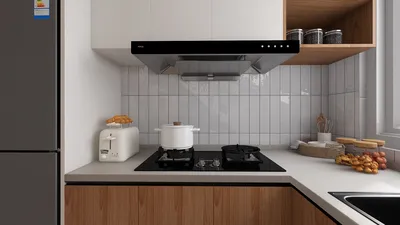


Color pencil interior rendering is a fantastic way to infuse vitality into your design ideas and effectively convey your vision. Whether you are a seasoned professional or a passionate beginner, mastering this technique enables you to produce breathtaking visual representations of your concepts. By utilizing tools like Homestyler, you can elevate your designs even further.
Understanding Color Pencil Techniques
To embark on your journey into color pencil rendering, it's crucial to grasp the essential techniques that will enhance your illustrations. Fundamental skills such as layering, blending, and shading are vital for achieving depth and realism in your artistic creations.
Choosing the Right Materials
When delving into color pencil rendering, the quality of your materials plays a significant role. Invest in premium colored pencils, effective blending tools, and specialized drawing paper. Such choices will guarantee vibrant colors and a seamless drawing experience, allowing tools like Homestyler to complement your creativity.
Layering for Depth and Texture
Layering serves as a fundamental technique in color pencil rendering. Begin with lighter shades and progressively apply darker tones. This strategy not only adds texture but also creates depth, making your interior designs appear more dynamic.
Blending Techniques for Smooth Transitions
Blending is essential for creating seamless color transitions, crucial for rendering soft furnishings and wall textures. Utilize blending stumps or your fingers to mix colors gently for a refined finish, enhancing the overall impact of your designs.
Shading for Realism
Proper shading can dramatically improve the realism of your renderings. Observe light sources and their effects on various surfaces. Employ darker shades in areas that are further from the light source to create a convincing three-dimensional appearance.
Using Color Theory in Your Renderings
Incorporating color theory can significantly elevate your interior renderings by ensuring that your color selections harmonize beautifully. Familiarize yourself with concepts like complementary colors, analogous schemes, and the mood different hues can evoke in a space.
Integrating Backgrounds and Context
Adding a background can offer meaningful context to your interior renderings. Consider incorporating elements of the surrounding environment to make your designs feel more authentic and relatable, especially when using platforms like Homestyler to visualize the complete space.
Practice and Experimentation
As with any artistic endeavor, practicing consistently is essential for enhancing your color pencil rendering skills. Don't hesitate to try out various styles and techniques until you discover what resonates best with your vision.
FAQ
Q: What pencils are optimal for interior rendering? A: Select high-quality colored pencils with a broad spectrum of colors. Popular artist brands, such as Prismacolor and Faber-Castell, are widely recommended.
Q: How can I refine my blending technique? A: Experiment with different blending tools and methods. Layering colors before blending can lead to smoother transitions and a more polished outcome.
Q: Is special paper necessary for color pencil rendering? A: Although it's not mandatory, using paper specifically designed for colored pencils can enhance the texture and overall quality of your work, especially when utilizing tools like Homestyler to showcase your designs.
Welcome to the No.1 Home Design Software
Desain sekarang Gratis
































