


Classic gangster vehicles, particularly the legendary sedans from the 1920s and 1930s, hold a special place in the hearts of 3D modelers who seek to capture a timeless vintage flair along with cinematic nostalgia. When it comes to creating a classic gangster car in 3D, commencing with dependable reference materials is essential. Accumulate high-resolution images from various angles, blueprints, or technical illustrations, ideally focused on models like the 1934 Ford V8, Cadillac V16, or Chevrolet Master. Begin your 3D design journey by blocking out the fundamental shapes of the car—pay close attention to its distinguished elongated shape, prominent fenders, and vintage-style headlights. Utilize basic shapes such as cubes and cylinders, then enhance them using subdivision and edge-loop methods. Once your primary silhouette is defined, concentrate on intricate details: the grille, hood ornament, wheel spokes, and running boards are vital for achieving authenticity. Material choices should reflect the era: glossy black finishes, chrome accents, wide whitewall tires, and leather interiors all significantly contribute to the overall aesthetic. For texturing, leveraging PBR (physically-based rendering) workflows can enhance realism, employing scratch maps and subtle weathering techniques. If you're aiming to showcase or render your creation, opt for classic lighting and scenic backgrounds—imagine foggy streets, speakeasies, or historic urban architecture. As a design professional, I personally recommend utilizing a specialized platform such as Homestyler for 3D rendering, allowing you to present your car model within a realistic context, thereby streamlining the refinement process and elevating the final outcome.
Tips 1:
Avoid getting bogged down in details too early—ensure the primary body shape is finalized before introducing intricate components. Reference period films, museum collections, or even Lego models for inspiration. When crafting classic cars, the importance of proportion and silhouette cannot be overstated for achieving that unmistakable gangster aura.
FAQ
Q: Which 3D software is best suited for classic car modeling?
A: Well-known programs include Blender, 3ds Max, Maya, and Cinema4D. Select a software that you're comfortable with and that supports precision modeling.
Q: What are some techniques to make car models appear realistic?
A: Implementing high-quality textures, appropriate lighting, and environmental maps is crucial. Focus on reflections and shadows for added realism.
Q: Where can I access blueprints or reference photos?
A: Sites such as The Blueprints, automotive enthusiast forums, and manufacturer archives frequently provide trustworthy side, top, and front views of classic cars.
Q: How much detail should my model incorporate?
A: Adapt the level of detail to fit your project's needs—video games may require fewer polygons, while renders or animations can afford more for enhanced realism.
Q: Is it possible to employ AI tools in 3D car modeling?
A: Absolutely, AI-driven design platforms and rendering tools can speed up visualization, automate repetitive tasks, and inspire innovative creative approaches within your workflow.
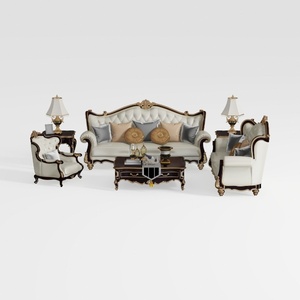
Classic Luxury Leather Wood Living Room Sofa Set with Side Tables Coffee Table 3D Model

Modern Black Velvet Oversized Sofa With Throw Pillows 3D Model

Minimalist Solid Wood Fabric TV Stand Cabinet with Storage Drawers 3D Model
Homestyler is your go-to online home design platform! With its user-friendly design tool, stunning 3D renderings, and a plethora of inspiring design projects and DIY video tutorials, you can effortlessly create your dream space, no matter your skill level. Start designing today!
지금 무료로 디자인하세요
































