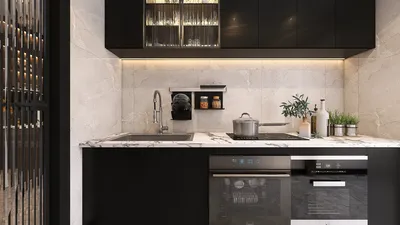


I once transformed a client's compact galley kitchen to match the tone of their cherished wooden dining table, only to realize by evening that the entire space resembled a walnut coffin. We found humor in the situation, learned, and recognized that the perception of brown can shift from inviting to confining based on factors like light, contrast, and arrangement. Working with brown cabinetry ignites creativity, especially in smaller spaces, making it a thrilling challenge. If you're looking to avoid buyer's remorse, utilizing tools like Homestyler to visualize your layout beforehand can save considerable time and trouble.
1. Two-tone cabinetry: dark brown bottoms with light tops
I often achieve balance by pairing deep brown lower cabinets with soft white or light gray upper cabinets to create an illusion of height. This strategy makes brown appear grounded yet modern, an excellent solution for compact kitchens that crave vertical space. Though this design choice may come with additional costs for finishing and paint matching, it results in a brighter room without sacrificing warmth.
save pin
2. Matte brown paired with warm brass accents
Matte brown finishes are fashionable and photograph beautifully; when combined with warm brass hardware, they impart a touch of luxury without being overwhelming. This combination has graced both rental spaces and high-end homes, as brass is adept at hiding fingerprints and complements wooden flooring. However, once you commit to this aesthetic, be cautious—mixing metals later on can be challenging.
save pin
3. Incorporate open shelving and reflective backsplashes
Installing open shelves can break the monotony of solid brown walls while allowing spaces to showcase pottery and glassware. A reflective backsplash, perhaps using polished stone or mirrored tiles, enhances light distribution within the area. During one renovation, adding a slim mirror backsplash turned a cozy brown kitchen into a spacious, airy environment. For clients who appreciate visual clarity, utilizing tools like Homestyler helped them grasp how light reflections could alter the ambiance before selecting materials.
save pin
4. Attention to stain direction and grain is key
I always evaluate wood grain and stain direction on-site—horizontal grains can visually expand a cabinet run, while vertical grains emphasize height. Different shades of brown (like walnut or chestnut) react uniquely to varying light temperatures, so sampling under your kitchen's lighting is essential. This often-overlooked detail can distinguish between mere samples and the final kitchen finish, making it crucial for DIY enthusiasts.
save pin
5. Layer your lighting and vary textures
Incorporating multiple lighting layers such as under-cabinet task lighting, pendant lighting, and ambient ceiling fixtures helps prevent brown cabinets from appearing too heavy. By mixing matte cabinets with shiny countertops or polished tiles, you add inviting contrast. When clients request quick design concepts, I like to create sketches ranging from warm-traditional to sleek-modern; blending brown with materials like stone, concrete, or light quartz results in significantly different atmospheres, and various designs can be swiftly simulated using AI tools like Homestyler for quick decision-making.
save pin
FAQ
Q1: Are brown cabinets suitable for compact kitchens?
A1: Absolutely! When complemented with lighter upper cabinets, reflective surfaces, and layered lighting, brown can introduce warmth without making a space feel smaller when contrasted effectively.
Q2: Which shades of brown work best with brass hardware?
A2: Mid to dark warm browns, such as walnut or chestnut, harmonize perfectly with warm brass. Cool, grayish browns may clash unless the hardware has similar cooler metal tones.
Q3: How can I keep brown cabinets from appearing outdated?
A3: Choose designs with clean lines, matte or satin finishes, and contemporary hardware. Mixing in textures like stone countertops and open shelving can help modernize the overall appearance.
Q4: Are brown cabinets difficult to maintain?
A4: Solid wood requires periodic sealing and gentle cleaning; however, painted brown finishes are easier to clean but may show scratches differently. It's advisable to budget for regular upkeep.
Q5: Is it possible to paint existing cabinets brown?
A5: Definitely—painting is often an economical option. Adequate preparation, including sanding and priming, is vital to prevent chipping.
Q6: Do brown cabinets impact resale value?
A6: While preferences vary, well-designed brown cabinetry combined with modern elements tends to be broadly appealing. Neutral, high-quality finishes usually retain their value the best.
Q7: What lighting temperature is best for brown kitchens?
A7: Warm white lighting (2700K–3000K) enhances the richness of brown; if a cleaner, modern vibe is desired, 3000K–3500K can also work. Be sure to test samples under actual lighting conditions.
Q8: Where can I find design standards for kitchen layouts?
A8: The National Kitchen & Bath Association (NKBA) provides industry standards and guidelines for safe and functional kitchen layouts—visit NKBA (https://www.nkba.org) for authoritative resources.
save pin
Discover the ease of home design with Homestyler! This exceptional online platform offers a user-friendly design tool, stunning 3D renderings, and a wealth of inspiring design projects and video tutorials. Transform your ideas into reality effortlessly, regardless of your experience level!
Projete agora para LIVRE
































