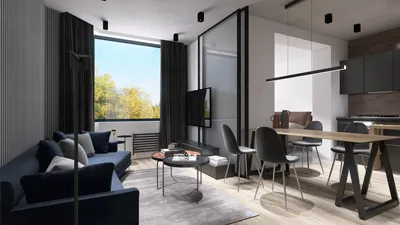


Incorporating brown curtains can instantly enhance the depth and warmth of a living room, creating a comforting atmosphere that anchors your color scheme while softening harsh daylight. I often choose brown textiles as a grounding element, particularly in spaces aiming for a serene visual flow, since their neutral tones harmonize well with both contemporary and traditional furniture. Besides aesthetic appeal, the selection of curtains plays a crucial role in how light is distributed, sound is managed, and overall comfort is perceived. Research by Steelcase has shown that environments designed with intention can significantly impact the satisfaction and performance of those inhabiting the space, with factors like light, color, and sound quality being pivotal in promoting well-being. Furthermore, the WELL v2 standard emphasizes the significance of glare control and balanced lighting for visual comfort and reducing eye strain, which connect directly to the ability of curtains to manipulate natural light effectively. Consider using a tool like Homestyler to visualize how such elements play together in your space.
To implement these guidelines in daily life, I analyze lux levels and color temperatures based on fabric density. The Illuminating Engineering Society (IES) typically suggests a range of 100–300 lux for living areas and increasing to 300–500 lux specifically for reading spaces. Using brown curtains, particularly darker shades, can effectively moderate overwhelming daylight to maintain lighting levels in that cozy spectrum while reducing glare on screens. When paired with a warm-white ambient light source (2700–3000K), brown fabrics prevent stark contrasts while fostering an inviting setting that's perfect for evening relaxation or social gatherings.
Balancing Shade Depth and Texture
The effectiveness of brown curtains largely depends on their shade depth and texture. Lighter cocoa hues and taupe offer an airy feel and complement light walls and blonde woods, whereas mid-brown provides a versatile, polished look, and deep espresso imparts a sense of drama and intimacy. I tend to opt for textured weaves—such as linen blends, slub cottons, or matte chenille—as these subtle variations can diffuse glare and enrich the tactile experience. According to WELL v2 recommendations regarding visual comfort, minimizing high contrast between brightness levels at windows and surrounding surfaces can significantly lessen eye strain. A lightly lined brown curtain featuring a delicate weave can achieve this goal without the bulkiness of blackout panels, particularly when the desired effect is a soft atmosphere during daytime rather than complete darkness.
Color Psychology: Warmth Without Heaviness
Brown evokes feelings of stability and earthiness, making it an ideal backdrop for comfortable living spaces. I often pair darker browns with light shades, like off-whites, sage, sand, or soft graphite, to alleviate visual weight. According to insights from Verywell Mind, warm, organic colors tend to promote comfort and security—a sentiment that is enhanced when both materials and lighting are in harmony with those feelings. Incorporating light-reflective finishes such as brushed brass or textured ceramics can help maintain brightness while allowing brown curtains to beautifully frame the windows.
Layering for Light Control and Privacy
For homes that benefit from an abundance of daylight, I prefer layering brown curtains over sheer materials. Sheers manage daytime privacy and allow soft light diffusion, while the brown layer enhances privacy, glare management, and thermal performance during the evening hours. If your living space also serves as a snug reading nook, I recommend placing task lamps at a color temperature of 2700–3000K along with quality diffusers to avoid glare from bare bulbs near reflective surfaces. In rooms with significant southern or western exposure, using semi-opaque brown curtains with thermal linings can help regulate temperature without losing that inviting ambiance. Tools like Homestyler can assist in planning the layout of seating near windows, ensuring optimal sightlines and solar angles to strategically position curtain rods and panels.
Proportions, Pleats, and Panel Width
Curtains have the power to alter the perception of a room's dimensions. I recommend mounting rods 4–8 inches above windows or just below crown molding to enhance vertical sight lines. Floor-length panels should touch the ground or slightly break (about an inch) for a polished appearance. For fullness, it’s best to aim for a width that’s 2 to 2.5 times the width of the window; heavier brown textiles often appear best around 2 times to avoid a bulky look. The style of pleats also matters: tailored pinch pleats are suitable for formal settings, while ripple fold tracks provide a modern flow, beautifully showcasing textured brown fabrics.
Material Choices and Sustainability
The choice of fabric has a profound impact on both visual appeal and functionality. Linen-cotton blends deliver a breathable touch and graceful drape, while recycled polyester offers durability and resistance to fading in sunlit rooms. I favor OEKO-TEX certified textiles whenever possible and consider interlining for thermal comfort when windows face direct sunlight. Generally, matte finishes provide a more sophisticated look and reduce glare from nearby surfaces. In spaces featuring a robust natural palette—with elements such as oak flooring or leather seating—brown curtains can blend seamlessly with low-VOC finishes and wool rugs, enhancing a sustainable look that ties the room together.
Acoustic Comfort and Soft Furnishings
In addition to regulating light, curtains also enhance acoustic comfort by absorbing certain sound frequencies. In settings with hard surfaces, like stone fireplaces or large windows, integrating brown curtains can form part of a sound-mitigating plan. Pairing them with a dense area rug, cozy upholstered seating, and bookshelves aids in controlling reverberations. Opting for thicker fabrics or adding a flannel interlining can boost sound absorption without requiring the sort of total blackout that would restrict daylight use.
Styling Brown Curtains with Furniture and Finishes
The color scheme surrounding brown curtains plays a decisive role in setting the room's mood, whether leaning towards classic, contemporary, or a blend of styles. For a modern approach, keep the palette tight with warm-white walls, pale wood, graphite accents, and a singular accent color like rust or green. In traditional environments, allow the curtains to reflect wood tones found in casework and introduce patterned cushions for a more dynamic visual experience. Incorporating brass and aged bronze hardware accentuates the warmth of brown while brushed nickel adds a cooler touch. If leather is included in the decor, strive to harmonize color undertones—selecting cognac hues with warm brown curtains or contrasting espresso curtains with light camel leather to create a balanced visual rhythm.
Light Management: Glare, TV Reflection, and Comfort
Tackling glare is the most practical upgrade you can make. Utilizing a split-stack configuration (where panels open from the center) allows for light modulation across seating areas. I recommend lined brown curtains near media walls for reducing reflections on TVs while coordinating curtain opacity with adjustable ambient lighting, minimizing stark contrasts when closing the panels. The IES advises against drastic brightness differences between screens and surrounding spaces to enhance visual comfort; brown curtains shine in this area, gently softening bright window walls while warm ambient lighting keeps the overall atmosphere balanced.
Hardware, Rod Finish, and Header Height
The choice of rod diameter and finish should be compatible with the weight and style of the fabric. Heavier brown curtains are best supported by rods measuring 1 to 1.25 inches in diameter, complete with robust brackets and smooth rings or tracks. Warm metallic finishes—brass, bronze, and matte black—enrich brown hues. Ceiling-mounted tracks provide an elevated aesthetic and a clean wave for ripple fold styles, while decorative rods with rings add a classic touch for pinch pleats.
Pattern, Contrast, and Visual Rhythm
While plain brown curtains can create a serene and adaptable ambiance, patterns can invigorate a space without overwhelming it. Tone-on-tone jacquards bring depth; vertical herringbone or subtle stripes contribute to a feeling of increased height. In rooms requiring contrast, darker brown curtains can be contrasted with lighter walls and pale rugs, tying the space together with medium-toned wooden accents. Repeating the curtain color in smaller decor elements such as picture frames, lamp bases, or textured throws establishes a cohesive design that feels intentional.
Maintenance and Longevity
Prolonged sun exposure can fade fabrics; thus, it’s wise to choose solution-dyed or UV-stabilized materials for bright spaces. Regularly vacuum curtains with a soft brush and follow the manufacturer’s instructions for spot cleaning. Additionally, if your living area receives a lot of sunlight, applying a UV-filter window film in conjunction with your curtains can extend the fabric's color life while maintaining outward visibility.
Quick Layout Notes
Before finalizing installation, simulate how the panel stack will look when open to ensure you’re not obstructing views unnecessarily. Arrange furniture strategically to avoid blocking air vents and ensure easy movement through the room. For quick visual feedback and layout adjustments, an interior layout planner can be invaluable in assessing panel widths, rod heights, and the arrangement of seating in relation to windows, helping you achieve the desired look and functionality.
Tips 1: Elevate Warmth Without Losing Brightness
Opt for mid-brown curtains against soft white walls (with an LRV of 70–80), using 2700–3000K ambient lighting, and layer with sheers for daytime light management—this keeps the atmosphere bright yet warm.
Tips 2: Choose the Right Lining
Select a light cotton lining or dim-out option for glare management. Reserve blackout liners for spaces where media viewing is the priority or where substantial sunlight in the daytime is expected.
Tips 3: Calibrate Fullness and Header Style
Aim for 2x to 2.5x fullness to prevent curtains from appearing sparse; choose ripple folds for a contemporary vibe and pinch pleats for a more traditional feel.
Tips 4: Harmonize Undertones
Identify if your selected brown tones are warmer (red, caramel) or cooler (espresso, charcoal), and ensure that your hardware and wooden finishes align accordingly to avoid color clashes.
Tips 5: Balance Acoustics
Combine heavier curtains with rugs and upholstered seating to minimize echo; interlining is particularly beneficial in spaces with hard surfaces.
Tips 6: Control Reflections
In instances where TVs face windows, it’s prudent to choose slightly denser brown fabrics alongside adjustable lamps to maintain comfortable lighting ratios.
Tips 7: Consider Sustainability
Opt for textiles certified for low emissions and durable blends, investing in timeless brown shades that will gracefully withstand the test of time without frequent replacements.
Tips 8: Test Before You Commit
Order fabric swatches and assess them under varying light conditions throughout the day; sunlight can alter color perception far more dramatically than one might expect.
FAQ
Q1: Do brown curtains make a small living room feel darker?
A1: Not necessarily, provided you manage the light correctly. Utilize lighter brown shades, layer them with sheers, and ensure the ambient lighting remains within the recommended 2700–3000K range alongside sufficient lumen output to achieve 100–300 lux for general use as advised by IES.
Q2: Which shade of brown works with gray walls?
A2: Choose cooler brown tones, like espresso or mocha that have gray undertones, complemented by graphite or matte black hardware. Incorporating warm elements—wood tones or brass—will help soften the overall feel of the space to prevent coldness.
Q3: Are blackout brown curtains necessary for glare control?
A3: Dim-out or lined curtains are generally sufficient. Blackout options are effective for media rooms or spaces receiving strong afternoon sunlight; otherwise, opt for semi-opaque brown fabrics that allow for both privacy and daylight.
Q4: How do I pick the right curtain fullness?
A4: Aim for approximately 2x to 2.5x the window width. Heavier brown fabrics often present better at the 2x fullness to avoid excess bulk while ensuring adequate coverage.
Q5: What color temperature pairs best with brown curtains?
A5: Warm-white lighting (2700–3000K) enhances the natural warmth of brown while fostering a relaxing evening atmosphere; add cooler task lighting (3000–3500K) selectively for reading.
Q6: Will brown curtains help with acoustics?
A6: Definitely. Fabrics of medium-to-heavy weight are effective at absorbing mid-to-high frequencies, especially when paired with rugs and upholstered furniture, leading to a quieter and more comfortable living environment.
Q7: How high should I mount the curtain rod?
A7: Mount your rods 4 to 8 inches above the window or close to the ceiling to create the illusion of greater height. This technique not only visually elevates the space but also accommodates both ripple fold and pinch pleat styles effectively.
Q8: What materials are most durable in sunny rooms?
A8: Look for solution-dyed or UV-stabilized fibers, recycled polyester blends, or quality linings that resist fading. Also, consider using a UV-filter window film for added sun protection.
Q9: Can brown curtains work with bold colors?
A9: Certainly. Brown acts as a neutral base—pair it with vibrant colors like rust, teal, or forest green in measured doses, ensuring that larger surfaces maintain a more subdued tone for visual harmony.
Q10: How do I manage stack-back without covering glass?
A10: Plan for 8–12 inches of stack-back per side, depending on the fabric weight and fullness; utilizing a layout simulation tool can help visualize rod width and panel arrangements prior to installation.



Discover the magic of home design with Homestyler! This user-friendly platform offers a powerful online design tool, stunning 3D renderings, diverse design projects, and engaging video tutorials. Whether you're a newbie or a seasoned designer, Homestyler makes it easy to transform your space into a masterpiece.
Design jetzt kostenlos
































