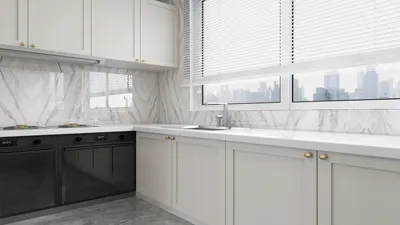


I have conceived numerous digital residences, and Bloxburg is undoubtedly one of the most satisfying platforms to explore residential design creativity. The key to success lies not in an expansive lot or limitless funds, but in having a well-structured plan: smooth traffic flow, proportionate room sizes, and thoughtfully positioned lighting that imparts a sense of purpose to each area instead of haphazardness.
Even while constructing in a virtual environment, I rely heavily on real-world principles to ensure proper scaling and comfort. The WELL v2 Light framework suggests minimizing glare and creating a balance between task and ambient lighting to alleviate visual strain—essential advice when determining window sizes and fixture placements in kitchens and offices. Research from Steelcase indicates that a neat arrangement and ergonomic design reduce mental strain, enhancing focus and comfort; apply these concepts in Bloxburg by utilizing orderly storage, ensuring pathways are at least one tile wide, and establishing distinct task areas. For selecting colors, insights from Verywell Mind highlight that shades of blue foster tranquility and concentration, while warm neutrals contribute to a welcoming atmosphere—ideal for spaces like living rooms and bedrooms.
Though Bloxburg employs a grid layout, adhering to proportional guidelines is crucial. The kitchen work triangle should facilitate brief movement among the stove, sink, and refrigerator; aisles should ideally have a minimum width of two tiles in high-traffic areas; and living rooms achieve harmony when seating arrangements form a loose U or L shape around a focal point. If you are experimenting with layout alternatives, utilizing a room layout tool can assist in visualizing traffic patterns and furniture placements before making final decisions: room layout tool.
Define Your Plot Approach
Begin by recognizing limitations such as property size, orientation, and budget. In Bloxburg, the layout orientation influences how natural light illuminates your facade and guides decisions about window placements. Position communal areas (entrance, living room, kitchen) toward the street and private spaces (bedrooms) toward the quieter back of the property. I generally draft a basic rectangular or L-shaped foundation initially; this strategy is cost-effective and ensures seamless movement within the design.
Fundamental Spatial Dimensions
Proportions play an essential role in comfort. Aim for a ratio of 1:1.5 to 1:2 for living rooms, which allows seating to be arranged alongside a focal wall without obstructing flow. In bedrooms, position the bed centrally against the shorter wall, leaving at least one tile of clearance on either side. Bathrooms require uncomplicated access: ensure the door swing won’t interfere with fixtures; align the vanity with available clear wall space.
Effective Circulation Design
Design a primary corridor (one to two tiles wide) that links the living room, kitchen, and staircases without unnecessary turns. Align doors wherever feasible to enhance sightlines and create a sense of openness. Refrain from constructing dead-end hallways; instead, create a looped circulation that connects to the main area, ensuring that all pathways appear purposeful.
Kitchen Layout: Functional and Bright
Opt for a galley or L-shaped design featuring a distinct preparation area between the sink and cooktop. Position the refrigerator next to a landing counter to avoid placing items on the floor. Implement under-cabinet lighting for increased visibility during food preparation and reading labels, while warm overhead lighting maintains an inviting atmosphere. Control window glare around shiny surfaces; use shades to diffuse bright sunlight in work spaces.
Living Room: Establish and Layer
Choose a focal wall (for a media system or fireplace) and position the main couch directly opposite. Add an additional chair to create an L-shape; maintain a clearance of 0.5–1 tile between the coffee table and seating edges to promote circulation. Offset heavy furniture with lighter accents to prevent visual dominance. If sound quality is important (even in virtual scenarios), consider using rugs and upholstered pieces to absorb sound and create a cozy environment.
Bedrooms: Tranquil Geometry
Center the bed and arrange storage along one wall. Avoid placing the wardrobe in the path of the door swing, ensuring a direct route from the bed to the bathroom without obstructions. Colors also play a role: gentle blues and muted greens encourage relaxation; confine vibrant colors to decorative pillows or artwork instead of wall painting.
Bathrooms: Neat Lines, Efficient Flow
Align plumbing along one wall to optimize costs. Ensure open floor space in front of vanities and toilets. If space is limited, consider a sliding door to prevent collisions. Lighting for mirrors should be consistent, not solely from above; side sconces can help diminish shadows on faces.
Exterior Design and Structure
Craft the facade using two to three materials at most to prevent clutter. A uniform base color paired with a secondary trim color and a textured feature (stone or board-and-batten) can elevate curb appeal significantly. While symmetry isn’t essential, balanced proportions—combining one substantial volume with a smaller auxiliary—often achieve a more refined look.
Lighting Principles
I evaluate lighting in three distinct categories: ambient (overall illumination), task (specific focus), and accent (setting a mood). Refer to WELL v2 directives for managing glare and daylight exposure effectively. In kitchens and studies, opt for bright, cooler lighting for clarity, whereas living rooms and bedrooms benefit from warmer light tones. Avoid positioning fixtures where they could create harsh reflections on shiny floors.
Discreet Storage Solutions
Incorporate tall storage along circulation walls to maintain an open feel in the main living area. For children's rooms, divide storage into open cubbies for frequently used items and closed cabinets for more visual tranquility. Place the “everything drawer” in the kitchen where it’s accessible, but not immediately visible from the entryway.
Zoning and Behavioral Insights
Distinguish noisy areas (living room, kitchen) from quieter spaces (bedrooms, study). If you engage in roleplaying work-from-home, carve out a small workstation near a window, ensuring it’s shielded from direct sunlight; introducing a plant and a low-glare lamp can enhance comfort. Households function more efficiently when traffic routes don’t overlap during busy times—consider avoiding a fridge placement directly along the main corridor.
Budget-Friendly Detailing
Invest in frequently used elements: door hardware, faucets, and primary seating. Economize on secondary decorations and seldom-used spaces. Maintain straightforward forms; intricate roof designs may increase costs with minimal practical benefits in day-to-day life.
Reliable Plan Variants
For smaller lots, consider an open L-shaped plan with a compact hallway. For medium-sized lots, add a mudroom connecting the garage to the kitchen and a pocket office adjoining the living room. For expansive plots, contemplate a split-level layout that establishes zones without lengthy corridors. Use an interior layout planner to quickly prototype and visualize sightlines and dimensions: interior layout planner.
Checklist: From Vacant Lot to Completed Home
- Verify your orientation and main entry layout
- Draft the footprint (rectangle or L-shaped) and primary circulation path
- Divide public and private areas appropriately
- Design the kitchen triangle and living room focal wall
- Ensure bedrooms have direct access to bathrooms
- Plan for layered lighting and window placements
- Assign storage solutions, then refine material choices and color accents
Essential Resources You Can Trust
For insights on lighting comfort and glare management, consult the WELL v2 standards. To understand cognitive load and spatial organization, explore research summaries from Steelcase. For practical color psychology advice, Verywell Mind provides clear and accessible guidance. These tools are invaluable in transforming real-world design principles into an effective Bloxburg blueprint.
Frequently Asked Questions
Q1: What’s the best space-efficient arrangement for a small living room in Bloxburg?
An efficient L-shaped seating arrangement around a single focal wall, allowing for a clearance of 1–1.5 tiles to enable smooth traffic. Prioritize narrow side tables and wall-mounted media to maximize floor space.
Q2: What is the appropriate width for kitchen aisles?
A minimum of two tiles is advised for active cooking zones, ensuring comfort during meal prep and accommodating another person passing by without disrupting the cook.
Q3: Which colors help to create a restful bedroom environment?
Calming shades of soft blue and green are associated with relaxation and enhanced focus as noted in color psychology; warm neutrals work well for bedding and wood accents to avoid an overly sterile feel.
Q4: How do I effectively reduce glare from large windows?
Employ layered lighting strategies: utilize shades to diffuse natural light, incorporate task lamps for directed illumination, and position reflective surfaces strategically to avoid harsh sunlight angles as recommended by WELL v2 glare management guidelines.
Q5: What layout is most suitable for compact bathrooms?
Align all fixtures along a single wall, ensure the vanity faces an unobstructed area, and install a sliding door if the available space is constrained. Side lighting at mirrors minimizes shadows and enhances visibility.
Q6: How can I maintain affordability in my build while keeping it visually appealing?
Focus your investment on high-touch areas (seating, faucets, door hardware), limit exterior materials to two or three choices, and utilize straightforward structural designs with a dominant volume and a smaller complementary feature for sophistication.
Q7: What’s the most efficient way to experiment with multiple layouts?
Utilize a layout simulation tool to visualize circulation paths and furniture arrangements prior to construction. This approach saves both time and ensures that spatial proportions align perfectly.
Q8: How can I effectively zone a family home?
Position shared areas near the entry and street-facing side of the house; keep bedrooms and study spaces towards the quieter rear or on higher levels. Refrain from placing the main corridor through the most active part of the kitchen area.
Q9: Any advice on enhancing acoustics in living spaces?
Incorporate area rugs, comfortable upholstered furniture, and bookshelves to absorb sound. Balance hard surfaces with softer materials to maintain conversational comfort.
Q10: What tips can help create a productive home office environment?
Position the desk near a window for infused natural light, but avoid glare on screens, leverage cooler task lighting, and maintain a neat workspace layout to mitigate cognitive load.
Coaster Home Furnishings Lynette Rectangular Eco F

Rustic Rectangular Coffee Table, 44.8 Inch

Lazzo Rattan Coffee Table Mid Century Modern Cente
Discover the ease of home design with Homestyler! This innovative platform offers a user-friendly online design tool, stunning 3D renderings, an extensive collection of design projects, and helpful DIY video tutorials. Transform your space effortlessly and unleash your creativity today!
立即免费设计
































