


Incorporating black tiles into a living space requires careful consideration of lighting, proportion, and selected materials to transform a daring choice into lasting sophistication. Utilizing black tiles can establish a strong foundation in a room, enhance contrast, and generate a visually appealing flow that ranges from minimalist to luxurious designs. When executed with precision, black tiles can evoke a sense of stability and tranquility; however, if not done thoughtfully, they may appear dull and uninviting. The key to achieving the desired effect lies in managing light, choosing the right surface finishes, and harmonizing darker areas with warmer textures and colors. A great tool to visualize these ideas is the Homestyler platform, which allows users to experiment with their designs effectively.
Effective lighting is essential when working with dark surfaces. The WELL Building Standard suggests that ambient light levels around 300–500 lux are optimal for enhancing visual comfort and supporting circadian rhythms, while task areas often thrive at 500–750 lux. The Illuminating Engineering Society (IES) highlights the importance of consistency and glare management; high luminance sources near black tiles can cause uncomfortable reflections that lead to visual strain. A layered lighting strategy, utilizing dimmable ceiling fixtures, accent lighting, and low-glare task lamps, ensures that the appearance of your tiles remains rich rather than harsh. For an interactive design experience, consider using Homestyler to plan your lighting setup.
The interplay of color and material notably impacts psychological well-being. According to Well Mind, darker color schemes can convey a sense of elegance and safety, though it is crucial to balance these tones to prevent a feeling of heaviness. Pairing black tiles—with their refined look—alongside warm walnut, textured fabrics, and linen can offset their visual weight and enhance tactile engagement. Employing a harmonious ratio of 60% neutral grounding pieces (black tiles with soft greige walls), 30% warm woods or textiles, and 10% metallic accents (such as aged brass) can create an inviting atmosphere without sacrificing sophistication. By utilizing design tools like Homestyler, you can fine-tune these ratios to see how they transform your space visually.
Establishing a strong foundation begins with selecting the appropriate tile type, scale, and finish.
The type of tiles chosen significantly influences both visual appeal and sound absorption. Matte or satin black porcelain tiles not only minimize glare and resist footprints but also contribute to a sleek aesthetic, while honed terrazzo introduces subtle reflections without excessive shine. Opting for large-format tiles (like 24"×48" or 36"×36") can minimize grout lines, reinforcing a contemporary minimalist approach. In areas with high foot traffic, prioritizing tiles with a slip resistance rating in the range of 0.42–0.60 DCOF will ensure safety without compromising on design. If your living area serves as an entertainment hub, consider adding acoustic underlayments beneath your tiles to dampen sound and reduce noise disturbances, making tools like Homestyler invaluable in visualizing these choices.
Innovative lighting strategies are crucial for achieving a layered, low-glare environment.
When featuring black floors or accent walls, I strategize lighting to create a gradient effect. Utilizing asymmetric wall washers can emphasize textured surfaces—such as brick or fluted panels—ensuring that the black tiles take on a sense of dimension. Choosing warm light around 2700–3000K for evenings and neutral whites at 3500–4000K during the day maintains light quality throughout the space. It's essential to keep the Unified Glare Rating (UGR) low; employing shields, diffusers, or indirect lighting solutions will help achieve this balance. A standard living room benefits from 6–8 recessed fixtures or track lights evenly spaced, complemented by two to three layered lamps that adjust the mood. An efficient interior layout planner, such as the one offered by Homestyler, can assist in visualizing your lighting layout and furniture arrangements.
Attaining spatial harmony involves maintaining proportion, rhythm, and sightlines.
Black tiles serve as a grounding element in a room, and it's essential to complement them with mid-tone walls and lighter ceilings to maintain a sense of vertical openness. Aim to keep the darkest elements in the lower third of the visual field to stabilize sightlines and enhance furniture placement. Introduce rhythm by repeating the black elements in slim frames, table legs, or lamp bases instead of using overwhelming large black pieces. Elevating heavy upholstery by using legs or open bases will also showcase the tile edges, avoiding a stacked appearance of dark shapes. For spaces that connect to outdoor areas, aligning grout lines with thresholds can visually extend sightlines, creating a seamless indoor-outdoor flow, which can be easily planned through the Homestyler design tool.
Prioritizing comfort involves understanding human factors and ergonomics.
The arrangement of furniture plays a critical role in creating a comfortable environment. Traffic lanes should remain clear with widths of at least 36–42 inches for effortless movement, while main seating areas are ideally placed within 8–10 feet of each other for effective conversation. Tables should be accessible at a distance of 16–20 inches; incorporating layered rugs made of natural fibers can help offset the coolness of tile underfoot and mitigate sound disturbances. Choosing lower reflectance finishes improves visual comfort, and ensuring arm heights are within 7–9 inches above seat height supports relaxation during extended gatherings. These thoughtful details not only enhance the striking visual appeal but also foster a space people cherish using, a feature easily achievable through design tools like Homestyler.
Engaging with color psychology can help maintain an inviting atmosphere.
Black serves to define edges, so I orchestrate contrast mindfully. By combining black with cream tones, earthy mushroom shades, tobacco leather, and rich forest green, the palette remains grounded yet dynamic. It is essential to avoid stark black-and-white schemes without adequate texture; fabric options like boucle can break up the harsh lines. Incorporating two accent colors—one warm (such as terracotta) and a cooler option (like sage)—allows for seasonal adaptability in the space. Opting for brushed metals instead of polished versions reduces glare, contributing to a warmer ambiance as well. For further exploration of these color dynamics, tools like Homestyler can provide insight into how combinations play out in a designed space.
Pairing materials thoughtfully ensures durability and visual appeal.
Porcelain tiles are known for their resilience and low-maintenance qualities; vitrified tiles respond well to spills and pet-related wear. Honed stone can add subtle character but requires careful sealing, while terrazzo brings classic speckled designs that cleverly camouflage dust. I generally avoid high-gloss black tiles for flooring unless the setting is decidedly formal and lighting is optimal. For cabinetry or media walls, consider utilizing materials like rift-cut oak or smoked ash to infuse organic texture. Additionally, using wall panels made of microcement or plaster maintains depth without excessive shine. Lastly, selecting rugs with dense weaves and utilizing felt pads underneath will help protect tile edges from wear.
Consider acoustic comfort to achieve a balanced living atmosphere.
Hard finishes can amplify sound; black tiles also contribute to this dynamic. Strive to balance sound absorption through the integration of curtains, upholstered seating, and textured area rugs. Installing bookshelves and incorporating textured walls can act as sound diffusers, effectively reducing echoes in the space. If sound systems are part of the living experience, identify first reflection points and think about placing soft panels behind the main seating position. The objective is to foster lively acoustics without overwhelming fatigue, an aspect that can be enhanced through precise planning available on platforms like Homestyler.
Creating flexible layouts can enhance flow and function in your living space.
Defining areas is crucial with a prominent flooring statement. Establish a primary seating zone using an area rug that exposes tiles around its edges for contrast. Floating furniture will keep the visible outlines while maintaining flow behind seating arrangements. Secondary areas—like cozy reading corners or console setups—should minimally echo the black theme (through frames or lamp bases) to ensure a cohesive feel throughout the room. Prior to making significant layout changes or electrical adjustments, utilizing an interior layout planner such as Homestyler can help visualize scale, clearances, and traffic paths in your space.
Understanding daylight management is vital to mitigate glare and reflections.
Dark flooring can reflect window light excessively. Incorporating sheer layers can help soften daylight, and orienting furniture away from high-glare zones minimizes visual distractions. It’s beneficial to position shiny surfaces perpendicular to windows to avoid glaring reflections across the black tiles. A combination of sheer and dim-out drapes can provide precise control over daylight and evening privacy, keeping the tile surface intact and visually accessible without hotspots.
Detailing is key when styling a space with black tiles.
Style your space thoughtfully: consider a sculptural coffee table, grouping three curated objects per surface, and incorporating organic forms to create balance against the tile's sharp lines. Conceal cords and manage cables discreetly behind media consoles. Give plants a chance to flourish against a black backdrop—select matte planters made of clay or stone for added nuance. Should you choose bold artwork, opt for non-reflective glazing to prevent distracting light reflections on the tiles.
Proper maintenance is crucial for preserving the elegance of black tiles.
For maintenance, use pH-neutral cleaners paired with soft pads to avoid damaging tiles. Follow manufacturer instructions for sealing stone or terrazzo tiles, and always test rugs for dye fastness before placement. Entrance mats are necessary to trap grit that can scratch matte surfaces. Regularly inspect grout lines; a mid-tone charcoal color works more effectively against staining than pure black and ensures a consistent appearance over time.
Thinking about the future involves embracing trends while ensuring lasting style.
Interior design for 2024–2025 emphasizes textured minimalism, warm metal tones, and layered lighting. Black tiles easily blend within this trend when harmonized with ergonomic elements and sustainable material choices. Aim for reversible decisions—select modular seating, replaceable rugs, and adaptable lighting systems—transforming the space as lifestyle needs evolve while maintaining its tranquil, modern aesthetic. Utilizing platforms like Homestyler can facilitate exploration of these evolving design choices.
Frequently asked questions can guide your design choices.
Matte or satin black porcelain tiles help reduce glare and ease maintenance while ensuring a rich visual experience. Alternatively, honed terrazzo offers subtle depth without overwhelming reflections.
For optimal lighting, plan for ambient levels at 300–500 lux, escalating to 500–750 lux for designated task zones. Employ diffused light sources and wall washing techniques to eliminate harsh glare on darker surfaces.
With appropriate balancing involving lighter wall colors and brighter ceiling hues, combined with large-format tiles to bring visual clarity, you can achieve a cohesive look throughout the area.
Integrate warm wood accents, textured fabrics, and area rugs into your scheme. Utilize lighting in the 2700–3000K range during evenings, and natural materials to foster a cozy ambiance.
Deep gray or charcoal tones offer functional elegance, showing less staining compared to pure black while maintaining visible joints without excess contrast.
Select tiles with a suitable DCOF—ideally between 0.42–0.60 for residential settings. Textured matte surfaces generally enhance grip and safety.
Include rugs with felt padding, plush seating, quality curtains, and textured walls or bookshelves to absorb sound and reduce echoes.
Warm neutrals such as cream, natural wooden tones, and accents of forest green or rust will create a vibrant yet balanced aesthetic. Use brushed metals for a warm touch, minimizing glare.
Definitely, controlling glare is achievable. Employ sheer window coverings and orient glossy surfaces to avoid direct sunlight reflections, maintaining comfort across the flooring.
Absolutely! Floating furniture and employing large-format tiles alongside clear circulation paths with a curated color palette keeps spaces airy and functional.
Originally incubated at Autodesk, Homestyler has grown into one of the most widely adopted home design platforms in the world, now trusted by over 18 million users. Whether you're a homeowner exploring ideas or a professional designer delivering client-ready renders, Homestyler brings industry-leading 3D technology to your fingertips — no experience required.

Rustic Solid Wood Nesting Coffee Tables with Hairpin Legs 3D Model
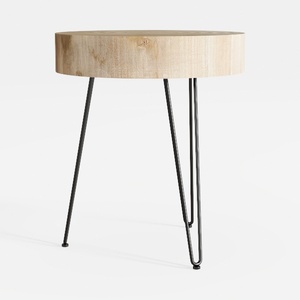
Minimalist Solid Wood Round Side Table With Metal Hairpin Legs 3D Model
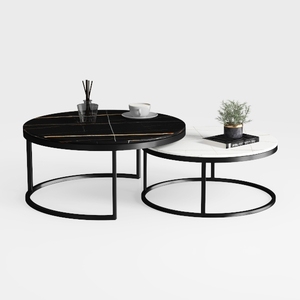
Modern Marble Top Metal Frame Nesting Round Coffee Tables 3D Model
Homestyler is your ultimate online home design platform. With a user-friendly design tool, stunning 3D renderings, and a wealth of inspiring DIY video tutorials, you can effortlessly transform your living space and unleash your creativity. Start designing your dream home today!
Progetta ora GRATIS
































