


When it comes to creating a color scheme for bedrooms, I seek to balance psychological elements, the way light interacts, and material textures. It's essential that modern interiors feature palettes that feel serene yet assertive, with tones that harmonize with daylight, artificial lighting, and textures. In my decade-long experience, I’ve witnessed how color not only elevates aesthetics but also enhances sleep quality, uplifts mood, and influences the perception of spaciousness.
Data-Driven Color Decisions
Color is not merely subjective; it can be quantified. The WELL v2 Light concept emphasizes the importance of appropriate lighting levels and spectrums for circadian health, providing guidance on bedroom illumination to minimize disruptive nighttime glare. According to Verywell Mind, blue is often linked with tranquility and stability, while soft greens are known to alleviate stress—ideal foundations for a modern bedroom designed for relaxation.
The significance of lighting cannot be overstated: the Illuminating Engineering Society (IES) recommends controlling glare and ensuring suitable ambient light. Pair dimmable warm-white fixtures (ranging from 2700 to 3000K) with matte surfaces to prevent harsh reflections that could distort colors at night. A gentle lighting baseline of 100-150 lux for winding down, combined with more focused lighting of 300-500 lux for tasks at dressers, maintains color visibility without overwhelming the senses.
Soft Neutrals with Character
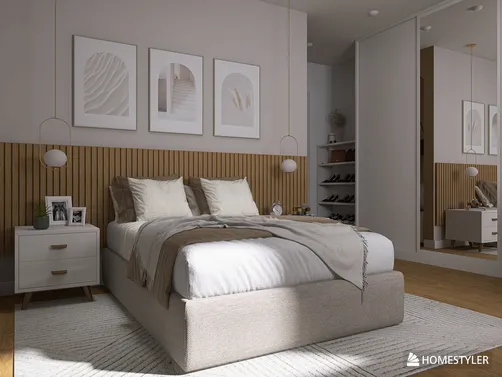
Warm greige, bone, and oatmeal shades provide a timeless backdrop for modern bedrooms. To achieve a dynamic look, it's vital to incorporate variation in sheen and texture: opt for matte walls, eggshell finish wardrobes, and textured headboards like wool or bouclé to create a subtle play of light. Personally, I prefer a greige base complemented by smoked oak flooring and a linen duvet; the wood introduces a calming mid-tone that anchors the color scheme. For rooms that face north and receive cooler daylight, selecting neutrals with a hint of warmth can counterbalance any bluish tendencies.
Tranquil Blues for Restorative Vibes
Muted shades of blue—such as slate, storm, or mist—foster a calm, low-arousal atmosphere. Ensuring a moderate saturation (around 20-40% chroma) lends a sophisticated feel. Applying blue to the wall behind the headboard ensures that the last sight at night is cohesive and subdued enough to reduce visual distractions. Complement with warm metal accents (like aged brass or bronze) and off-white bedding to avoid a sterile appearance. In spaces with ceilings higher than 2.7 meters, consider painting the ceiling a shade lighter than the wall color to create a sense of intimacy and comfort.
Natural Greens for a Biophilic Touch
Tones like olive, eucalyptus, and moss impart a sense of assurance without heaviness. These green shades harmonize beautifully with natural materials such as cotton, linen, and jute, enhanced by textured finishes like plaster or limewash. Instead of painting every wall green, I often incorporate a soft green on wardrobes or feature niches, preserving an airy feel. For smaller rooms, applying green to the lower third of the walls (using paneling or wainscoting) can balance vertical light distribution wonderfully.
Warm Minimalism: Shades of Clay, Sand, and Blush
A modern bedroom doesn’t have to rely on stark white to convey minimalism. Soft hues of clay and sand add warmth while maintaining simplicity. A subtle blush undertone brings life to neutral palettes, particularly in the evening glow. To create depth, infuse darker accents—such as walnut nightstands and charcoal throws—ensuring the palette remains vibrant without overwhelming. This combination complements soft ambient lighting and textured plaster finishes beautifully, further enhanced using tools like Homestyler to visualize the space.
Charcoal and Ink for a Cozy Ambiance
Deep charcoal and inky blue hues cultivate intimate, sophisticated bedrooms. Such tones are exceptionally suited for spaces that are primarily used at night or where one desires an enveloping ambiance. Managing gloss is crucial: matte paints minimize glare where bedside lamps illuminate the walls. Balance these darker tones with warm wood accents, breathable linen, and a pop of colorful accent—like rust or saffron—in singular elements like cushions or artworks. Ensure that ceilings are painted a shade lighter or that a subtle off-white crown line is added to help maintain spatial orientation.
Softening High-Contrast Black and White
Modern black-and-white bedrooms can evoke a gallery feel but may also be overly harsh. Soften the contrast by opting for warm whites (avoiding bluish undertones), natural woods, and matte finishes. Instead of applying black broadly on walls, use it on slender frames and linear components—like window mullions or the arms of reading lamps. If a feature black wall is desired, enhance it with textured fabric headboards and warm 2700K lighting to mitigate visual coldness.
Accents that Enhance, Not Distract
Accent colors should enhance focus without compromising the room’s intended restful function. Colors like terracotta, muted mustard, or dusty plum can inject personality while remaining low-stimulus. Concentrate accent elements in removable furnishings—throws, cushions, artwork—to facilitate seasonal transitions. Ensure that accent coverage remains below 15-20% to avoid dominating the overall palette.
Understanding Light, Lux, and Finishes
The way color is perceived can vary significantly with lighting. For bedrooms, warm-white lamps (2700-3000K) are ideal for evenings, while task lighting for reading may extend to 3000-3500K if they are dimmable. Aim to layer lighting atmospheres: ambient fixtures, focused task lights, and even low-level night lights for safe navigation. Consider gloss levels carefully: matte or eggshell finishes for walls create a more inviting feel whereas satin for cabinetry holds up against fingerprints and reflects sufficient light to maintain true color representation without glare. Coordinate dimming behaviors to ensure color consistency even as light levels change.
Textures, Materials, and Acoustic Comfort
The success of color hinges on how well texture supports it. Combining cool color palettes with warm materials—like bouclé, chenille, and wool—while pairing warm palettes with sleek textiles (satin-weave cotton or brushed metals) can create a harmonious balance. Adding heavier drapes, upholstered headboards, and plush rugs can enhance acoustic absorption in the room, creating a tranquil environment; darker hues in sound-absorbing materials (felt or wool blends) can visually soften bulkier elements.
Optimizing Small Rooms for Freshness without Blandness
In compact bedrooms, it’s beneficial to keep the walls light while layering in micro-contrast: lighter greige walls, slightly darker trim, and mid-tone flooring. The rhythm of vertical elements is also important; introducing subtle banding (like the height of the headboard or a ledge for artwork) can help mitigate visual clutter. To experiment with layouts, utilizing a room design tool can be advantageous in simulating view lines and color harmony around the bed and wardrobes, perhaps even incorporating features from Homestyler.
Considering Daylight Orientation in Your Color Strategy
North-facing rooms can make colors appear cooler, so it's beneficial to introduce warm neutrals or accents. In contrast, south-facing spaces may amplify color saturation; opting for more desaturated hues can help combat overpowering midday brightness. Rooms facing east glow with warming light at dawn, making them ideal for soft blush or sandy tones, whereas west-facing spaces may thrive under balanced mid-tones to avoid unexpected color shifts in the evening. Testing paint colors in situ, at different times of day—morning, noon, and night—is crucial under your lighting fixtures for accurate outcomes.
Innovative Modern Color Palettes
Consider misty blue walls, paired with off-white linen bedding and aged brass lamps, all resting on a low-contrast area rug to anchor the bed elegantly.
Try olive wardrobes with bone-colored walls, accented by charcoal throws and artwork, complemented by a natural jute area rug. This palette suits softly illuminated evenings perfectly.
Combine greige walls and ceilings with a clay-toned niche or headboard wall, alongside smoked oak flooring and matte black reading lights for a cozy retreat.
Feature an inky wall with sand-colored bedding, warm timber accents, and a single terracotta cushion for warmth, all lit by dim-to-warm bedside lamps for nighttime comfort.
Sampling and Testing Colors Effectively
Always apply sizable paint samples (at least 60 × 60 cm) across multiple walls. Examine them under varying lighting conditions, both day and night, using your actual textiles for evaluation. Capture photographs at different times to observe shifts, since colored lighting can alter appearances; thus, utilizing neutral light during tests is pivotal before making final decisions.
Frequently Asked Questions
Q1: Which colors work best in the bedroom to promote relaxation?
A: Soft blues and greens are consistently recognized in color psychology for their calming effects and ability to reduce stress. Pair these tones with warm-white lighting (around 2700-3000K) to preserve a peaceful atmosphere.
Q2: Are warm whites more suitable than cool whites for bedrooms?
A: Indeed. Warm whites help avoid the clinical aspect often associated with cool lighting, allowing for a softer ambiance as lamps are dimmed, promoting inviting neutral palettes.
Q3: How does the temperature of lighting influence color perception?
A: Cooler lamps (4000K+) can make colors appear more pronounced and less soothing, while warm lamps (2700-3000K) soften edges and bring out earthy and neutral tones. Always test colors under the lighting you plan to use.
Q4: What is the optimal paint finish for bedroom walls?
A: Matte or eggshell finishes effectively reduce glare and preserve color integrity under bedside lighting; satin finishes are recommended for cabinetry and trim where easy cleaning is essential.
Q5: Are darker bedrooms conducive to sleep?
A: Yes, deep charcoals and inky tones can foster a cocooning effect. Balance is key: manage glare, incorporate dim-to-warm lighting, and offset with warm textures to prevent visual heaviness.
Q6: How can accent colors be used without overstimulating a bedroom?
A: Maintain accent coverage below 15-20% of visible surfaces and opt for removable pieces—like cushions, throws, and artwork—to ensure the base palette remains calm.
Q7: How should color selection change based on room orientation?
A: For north-facing rooms, warmer neutrals are ideal; south-facing should select desaturated tones; east-facing areas work well with blush and sand; and west-facing ones benefit from balanced mid-tones to cope with evening lighting shifts.
Q8: What importance do materials play in successful color integration?
A: Texture is key to anchoring color. Pair cool palettes with warm tactile materials (like wool or bouclé) and warm palettes feature smoother textiles to keep balance. Acoustic materials also mitigate noise, promoting better resting conditions.
Q9: Is it feasible to incorporate black-and-white schemes in bedrooms?
A: Absolutely, provided warmth is introduced through warm whites, natural wood, and matte finishes. Implement black primarily in narrower elements instead of expansive wall sections to avoid stark contrast.
Q10: How can I ensure the color looks consistent at night?
A: Opt for consistent lighting temperatures (2700-3000K), utilize dimming, and conduct thorough tests with large samples at night. Steer clear of glossy wall finishes that may alter appearance under focused light sources.
Q11: Is green an appropriate choice for smaller bedrooms?
A: Yes, when applied judiciously. Use green in lower wall segments or cabinetry while keeping upper areas light to maintain an open feel.
Q12: Should the ceiling be painted the same color as the walls?
A: In taller spaces, consider a hue one shade lighter for the ceiling to create a sense of coziness. In shorter rooms, keep ceilings lighter to ensure openness is preserved.
Originally incubated at Autodesk, Homestyler has grown into one of the most widely adopted home design platforms in the world, now trusted by over 20+ million registered users (platform data, 2026). Whether you're a homeowner exploring ideas or a professional designer delivering client-ready renders, Homestyler brings industry-leading 3D technology to your fingertips — no experience required.

Minimalist Solid Wood Nightstand With Decorative Inlays 3D Model

Minimalist Solid Oak Wood Two Drawer Nightstand 3D Model


Solid Wood Kids Bunk Bed With Storage Stairs And Drawers 3D Model
Discover the magic of home design with Homestyler! This user-friendly platform offers an intuitive online design tool, stunning 3D renderings, and a wealth of design projects along with DIY video tutorials. Transform your space effortlessly and unleash your creativity today!
تصميم الآن مجانا