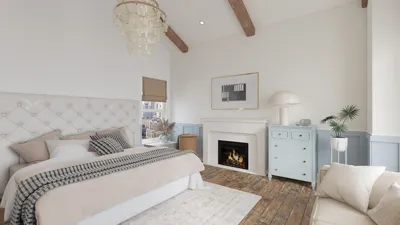


Having planned and designed numerous banquet venues, I have found that the most successful events seamlessly combine aesthetics with comfort metrics. Elements like elegant proportions, well-thought-out circulation, balanced acoustics, and appropriately calibrated lighting transform an attractive room into a space that excels in performance. Research from Gensler indicates that environments fostering focus and social interaction can enhance performance outcomes; their 2023 findings reveal that thoughtfully designed spaces allow individuals to engage in high-value work modes for 33% longer—an insight that effectively applies to events where guests need to interact, listen, and celebrate efficiently. Additionally, the WELL v2 Light framework suggests synchronizing light levels and spectra with tasks and circadian rhythms; following its recommendations for dining and social events ensures that attendees remain alert without experiencing glare or fatigue.
From the perspective of comfort, both acoustics and layout play crucial roles alongside decor. Steelcase's research indicates that noise represents a significant barrier to engagement; over half of survey respondents from various studies describe noise as a frequent distraction that disrupts communication. For a banquet space that hosts speeches and live performances, this highlights the critical need for sound absorption at the ceiling and walls, as well as diffusion near performance areas. When it comes to color, a summary from Verywell Mind suggests that warm shades can enhance energy levels, while muted greens and blues contribute to a calming atmosphere—important distinctions when delineating cocktail lounges from dining areas. These considerations are not just theoretical; they are actionable strategies that influence guest behavior and their memories of the event.
Defining the Design Intention
Prior to selecting items like linens or floral arrangements, I establish the spatial intention: Is the event more focused on ceremonies, dining, or dancing? Each intention dictates the ratios for seating, circulation, and focal points. For ceremonial occasions, I allocate 60–65% of seating to ensure strong sightlines; for gala dinners, my goal is 70–75% for dining with 15–20% reserved for service aisles; and for dance-oriented evenings, I maintain an open floor space of 25–35%. These ratios facilitate smooth flow and prevent bottlenecks at bars, buffets, and photo areas.
Planning Circulation and Sightlines
Guests naturally navigate through spaces featuring clear lines of sight to bars, stages, and amenities without obstruction. I prioritize three key elements—stage, bar, and entry point—to ensure no single area overwhelms the layout. The main aisle should range from 1.8 to 2.4 m to accommodate two-way traffic, while secondary aisles can be narrower at 1.2 to 1.5 m for service access. If adjusting seating clusters and dance floor dimensions, utilizing a room layout tool like Homestyler can provide valuable visualization of scenarios and guest movement before finalizing rentals. Experimenting with a room design tool allows for quick assessments of table counts, spacing, and stage positioning.
Effective and Flattering Lighting
Layered lighting works wonders in creating a dynamic ambiance that is distinctly cinematic. I implement ambient illumination of 150–200 lux for dining, accent lighting at 300–500 lux for focal points (stage, cake, floral displays), and softer decorative sources to enhance mood. The color temperature should transition throughout the evening: beginning at 3000–3200K for arrivals and portraits, transitioning to 2700–3000K for dinner and dancing. Managing glare is crucial, achieved through shielded downlights and dimmable fixtures; lighting at the bar should be brighter yet warmer to avoid a harsh atmosphere. For benchmarks and health-focused strategies, refer to the WELL v2 Light guidelines.
Maintaining Acoustic Comfort Without Compromising Ambiance
Banquet venues often feature reflective materials—think stone floors, glass, and high ceilings. To offset this, I incorporate fabric wall panels, ceiling baffles, and upholstered seating. Positioning sound absorption opposite the stage helps minimize flutter echoes, while adding diffusion elements (like wood slats or perforated panels) around live music can maintain energy levels while ensuring clarity for speech. It's also important to keep subwoofers away from corners to reduce booming or echo effects; aiming for a reverberation time of 0.6–0.8 seconds during speeches, and then allowing for a slight ‘opening’ of the room when the dance floor comes alive by adjusting sound reinforcement settings.
Seating Arrangements: Banquet, Cabaret, and Lounge
For round banquet tables measuring 60 inches, the seating typically accommodates 8–10 guests; I prefer a maximum of 8 for improved comfort and simpler service. Cabaret-style arrangements (round tables featuring a flat edge facing the stage) enhance sightlines and keep guests engaged during presentations. Incorporating lounge pods—sofas and cocktail tables—creates micro-social spaces near the bar or photo booth, ensuring 1.5 m clear paths for servers maneuvering plates and champagne towers without issues. If there's uncertainty regarding density, testing layouts with a room design visualization tool can help verify evacuation routes and ADA compliance with minimal iterations.
Positioning the Stage, Dance Floor, and Focal Elements
Proportions are vital. A stage should occupy 5–8% of the room's footprint for speeches and live performances; dance floors are most effective at accommodating 3.5–5 sq m per couple during busy times. Focal items—such as the cake display, sweetheart table, or media wall—should be strategically placed along axial lines visible from the entry point. Consider uplighting these features with 2700–3000K accents while reserving tighter beam angles (15–25°) for performers to create a dramatic effect without washing out the overall aesthetic of the room.
Choosing a Material Palette: Durable, Photogenic, and Sustainable
Select materials that photograph beautifully under warm light and withstand wear and tear. Utilizing low-VOC paints and FSC-certified millwork promotes healthy air quality. Opt for textiles that feature inherent fire ratings and subtle textures to minimize glare in photos. A matte brass or satin nickel finish for hardware showcases nicely with candlelight, while engineered wood or cushioned vinyl options mitigate impact noise compared to stone floors, all while area rugs can define lounge spaces without major alterations.
Mastering Color Psychology for Various Phases
Warm neutrals create a hospitable foundation; soft greens foster restorative environments for cocktail areas; and deeper jewel tones add richness for ceremonial spaces. Insights from color psychology suggest that warm shades can invigorate social interactions, whereas cooler tones promote tranquility—leveraging these effects can help direct movement throughout the venue: energize the bar and dance area, while providing a calm atmosphere in the dining section. Highly saturated accents should be limited; they work best as florals or lighting effects rather than wall treatments.
Streamlining Service and Back-of-House Operations
Successful events seem effortless due to an efficiently run back-of-house. I plan catering staging to be in proximity to the dining core, ensuring double-door access and 1.5 m clear pathways. Trash, ice, and linen exchanges are strategically placed away from the main areas with acoustic barriers. For bars, I recommend having 1.2–1.5 m of bartender space per 75 guests to minimize wait times; supplementary bars can alleviate crowding during peak pre-dinner hours.
Leveraging Technology for a Seamless Program Flow
Plan audiovisual aspects as integral elements of the venue rather than an afterthought. Conceal cable runs, select quieter projectors, and verify power needs for bands and DJ setups early in the planning process. Program lighting scenes that evolve over the evening: welcoming, dining, presentations, and open dancing. The program flow should minimize periods of inactivity—rotating between social, seated, and active moments keeps guests engaged. Conducting a rehearsal walkthrough with the MC, AV team, and catering helps refine timings.
Ensuring Accessibility and Consideration of Human Factors
Comfort should embody inclusive design principles. Make sure all primary paths, restrooms, and significant features are accessible, providing companion seating up front to ensure clear views. Offering a quiet lounge or terrace for sensory breaks significantly enhances the experience for neurodiverse guests. Maintain a table clearance of at least 840 mm wherever feasible and use stable chair types suitable for older guests. High-contrast signage should be positioned at key decision points.
Creating Engaging Styling and Photographic Opportunities
Incorporate layers of texture—velvet, linen, brushed metals—and introduce verticality through florals or suspended elements. Style vignettes at transitional spaces, such as thresholds, bars, and photo corners, with cohesive color schemes, ensuring adequate vertical lighting for flattering photography. Be meticulous with candle placements; reflectiveness from mirrors can generate glare, so choosing frosted glass or hurricanes is advisable.
Budget-Conscious Enhancements That Exude Luxury
Invest in adjustable lighting systems and a few standout pieces, such as a sculptural bar, bespoke stage design, or a canopy over the dance area. Upgrade from standard linens to floor-length options with contrasting runners, and enhance chair designs—as guests will spend significant time seated, these choices will be reflected in photographs. Ensure greenery is abundant enough to frame views rather than scattering small arrangements haphazardly.
Frequently Asked Questions
It varies by the size of the venue, but typically a hall of 600–700 sq m can accommodate 280–340 guests at 60-inch round tables with appropriate aisles and a designated dance floor. I focus on maintaining main aisles of 1.8–2.4 m and service rings of 1.5 m surrounding the dance area.
Aim for 150–200 lux for ambient dining lighting, 300–500 lux directed towards the stage and focal decor, and warm color temperatures of 2700–3000K after sunset. Dimming options and glare management are crucial for comfort and photography quality.
Integrate sound absorption elements like fabric panels, rugs, and upholstered seating with diffusion methods involving slats or perforated wood. Keep subwoofers clear of corners and tune the sound reinforcement system with distinct presets for speeches and dance activities.
The cabaret style—round tables with a flat edge directed towards the stage—offers clear sightlines and maintains audience engagement. Explore blending banquet rounds with lounge areas for varied social dynamics.
For dancing, allocate approximately 3.5–5 sq m per couple at peak capacity. For 80 active dancers, a space of 300–400 sq m is advisable; smaller gatherings can downsize, but ensure not to underallocate space, as this may disrupt flow into aisles.
Warm, muted colors energize social spaces like bars and dance areas, while cooler greens and blues create a calming effect in dining or lounge settings. Control saturated accents through strategic use of florals and lighting.
Arranging bars in a triangular layout with the entry and stage redistributes movement flow. Ensure 1.2–1.5 m of bartender space per 75 guests, adding additional outlets during busy arrival periods or intermissions.
Yes, a designated quiet lounge or outdoor terrace caters to guests requiring sensory relief and greatly elevates the overall event experience, particularly during high-energy segments.
Utilize a room layout visualization tool such as Homestyler to assess table counts, dance floor sizes, and aisle dimensions prior to finalizing any rentals. This quick visualizer bypasses time-consuming and costly adjustments later on.
Materials like low-VOC paints, FSC-certified millwork, inherently fire-rated textiles, and engineered wood or cushioned vinyl floors not only photograph beautifully but also withstand significant use.
Plan cable management around stages and along perimeter walls, select low-noise equipment, and confirm power needs early. Pre-program lighting scenes—welcoming, dinner, presentations, dance—to avoid last-minute adjustments.
Employ insights from the WELL v2 Light guidance for healthy lighting practices and reference studies from Gensler and Steelcase regarding behavioral insights that inform space zoning and acoustics.
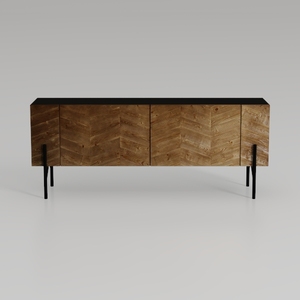
Diya Forged Bronze Finish Console Cabinet - 3D
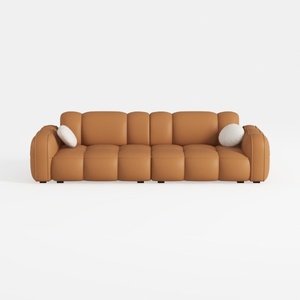

SIMPLIHOME Rex 3-Seater Modular Sofa in Full-Grain
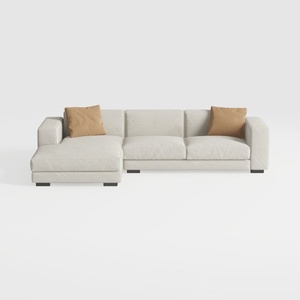
LINSY HOME Oversized Cloud Modular Couch with
Transform your home design dreams into reality with Homestyler! This user-friendly online platform offers an intuitive design tool, stunning 3D renderings, a wealth of design projects, and engaging DIY video tutorials. Perfect for anyone looking to create beautiful spaces effortlessly.
Concevez maintenant gratuitement
































