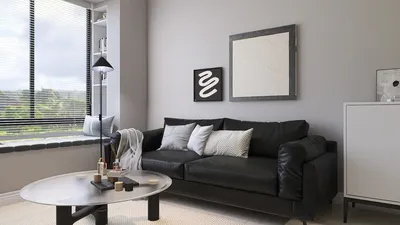


There was a time when I used an airless sprayer in a compact studio, and to my dismay, I turned a pristine paint job into a chaotic polka-dot scenario after neglecting to cover an antique lamp. This was indeed a tough lesson to learn. While small spaces can pose challenges, they also necessitate more strategic approaches; prior to using that sprayer, I employed Homestyler to create a room layout mockup to plan for necessary protection and ventilation.
1. Prepare like an expert: mask, seal, and ensure ventilation
Preparation takes the most time but can prevent significant headaches later on. In compact rooms, I make it a habit to tape plastic from floor to ceiling, remove outlet covers, and meticulously use low-tack painter's tape on the trim to allow for faster spraying without the need for constant touch-ups.
Benefit: quicker spray application and sharper edges. Drawback: the masking process can feel monotonous, requiring patience — but taking this extra time spares you from larger fixes down the road.
save pin
2. Select the appropriate tip and adjust the pressure
The tip size and pressure dictate the finish quality. Typically, I begin with a 0.015–0.017" tip for interior latex walls, adjusting the pressure until I achieve optimal atomization without excessive bounce-back.
Advantage: smoother application and fewer passes needed. Drawback: you may have to swap out tips depending on whether you're applying primer or finish coats, which incurs a minor expense and a small learning curve.
save pin
3. Perfect your motion: maintain distance, overlap, and consistent speed
I approach spraying as I would sweeping a broad brush: keeping the gun 12–18 inches from the surface, moving at a uniform pace, and overlapping each pass by approximately 50%. Practicing on cardboard or an old sheet before tackling a real wall helped me avoid unsightly stripes in small apartments.
Quick tip: if you are working near a kitchen or cabinets, consider the sequence of your spraying — a detailed kitchen layout study once saved me from accidentally spraying into an open cabinet filled with spices.
save pin
4. Choose and thin your paint wisely
Not all paints behave the same way when sprayed. High-quality interior latex or acrylics usually perform exceptionally well with little to no thinning, while older, heavier paints might require a slight addition of water or a recommended conditioner from the manufacturer.
Pro: improved flow and decreased risk of clogging. Con: thinning too much diminishes the paint’s hiding capability, so always conduct a test on a spare board and mark the mix ratio for future coats.
save pin
5. Clean-up, upkeep, and storage
Neglecting clean-up transforms the sprayer into a useless tool. Follow the manual for necessary flushing immediately after use — I utilize a dedicated bucket and a basic spray-out pouch to capture excess paint and safeguard drains.
In the long run, regular maintenance enhances the lifespan of the machine. For high-quality presentations, I sometimes create a photorealistic wall render using Homestyler to illustrate the finished look to clients before I even start spraying — this generally helps ease concerns and prevents last-minute color adjustments.
save pin
FAQ
Q1: Is it feasible to use an airless sprayer in a small room?
Absolutely — with proper masking and adequate ventilation. Small spaces require meticulous preparation to manage overspray and protect surfaces effectively.
Q2: Do I need to thin paint for airless spraying?
Sometimes. Many contemporary interior paints spray well without thinning, but heavier formulas may need a little water or conditioner; always remember to test first.
Q3: How can I minimize overspray?
Apply aggressive masking, use tarps, reduce pressure, and spray in short bursts. Keeping the gun steady and maintaining consistent overlap can significantly cut down on overspray.
Q4: What personal protective equipment should I use?
Use a respirator designed for paint vapors, goggles, and disposable coveralls. Adequate ventilation is crucial to reduce fumes and particulates.
Q5: Is using an airless sprayer suitable for DIY enthusiasts?
Yes, for confident DIYers. There’s a bit of a learning curve — practice on scrap materials first and start at a lower pressure setting.
Q6: How do I maintain an airless sprayer post-use?
Flush with water (for latex) or the appropriate solvent (for oil-based paints), strictly adhere to the manual, and clean filters and tips after each job to avoid blockages.
Q7: Are there health concerns or threats related to VOCs?
Indeed. Utilize low-VOC paints and ensure proper ventilation; for more details on VOC effects and solutions, refer to EPA guidelines: https://www.epa.gov/indoor-air-quality-iaq/volatile-organic-compounds-impact-indoor-air-quality.
Q8: What common blunders should I avoid?
Skipping preparation, selecting the wrong tip, and neglecting clean-up are the main culprits. Allocate a bit of extra time — it’s the most cost-effective insurance for achieving an outstanding finish.
save pin
Discover the magic of home design with Homestyler! This user-friendly online tool offers stunning 3D renderings, a wealth of design projects, and engaging DIY video tutorials. Perfect for both novices and pros, you can effortlessly transform your ideas into reality—start your design journey today!
Zaprojektuj teraz za darmo
































