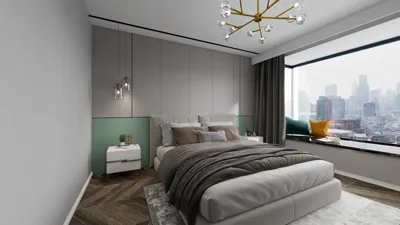


The first occasion I utilized an airless sprayer in a client's compact studio resulted in an unintentional Jackson Pollock-style art piece in the hallway—lesson learned: proper masking is essential. While I chuckle about it now, this experience taught me the significant difference that careful planning can make in smaller areas. To better visualize color options before finalizing, I created mock-up designs using a 3D visualization tool like Homestyler, which helped avoid any unexpected outcomes.
Navigating small spaces demands ingenuity; using an airless sprayer can expedite the painting process and provide a smooth, factory-like finish. In this article, I'll share five practical inspirations and tips from my own projects—what succeeded, what was frustrating, and how to steer clear of beginner blunders.
1. Quick Full-Room Revamps
When aiming to repaint an entire apartment swiftly, an airless sprayer proves invaluable: I managed to refresh a two-bedroom space in less than a day (including prep), while using rollers would have almost doubled the time required. The benefit of an airless sprayer is its swift and uniformly even coverage. However, watch out for overspray—be sure to mask vents, fixtures, and door frames meticulously. Money-saving tip: consider renting a mid-sized sprayer for brief projects; purchase one only if you plan to use it frequently.
save pin
2. Sharp Two-Tone and Accent Walls
I prefer to utilize the sprayer for the base coat and then switch to a brush and roller to achieve neat two-tone borders. The sprayer delivers a uniform surface, while the brush expertly tidies the edges. The advantage is having seamless accent walls with minimal brush marks. A small trade-off: the cutting-in process requires patience—use painter’s tape and remove it while the paint is still tacky for the cleanest lines.
save pin
3. Achieving Subtle Textures Without a Roller
In a rental, where the client desired a matte, velvety finish, I slightly thinned the paint and adjusted the sprayer tip for a finer mist—this resulted in an elegant texture without heavy stippling. The advantage is you can quickly replicate specialty finishes. However, be cautious of paint runs on vertical surfaces; keep the gun steady and utilize overlapping passes.
save pin
4. Quick and Consistent Trim, Doors, and Built-Ins
Trim and doors can be sprayed effectively if you set up a mini spray booth in the hallway. I once managed to spray ten doors overnight by priming, spraying, and then hanging them to dry—this method is both fast and consistent. The downside is the initial setup time: you’ll need to spend extra minutes safeguarding adjacent areas, but the polished finish makes it worthwhile.
save pin
5. Tricks for Small Spaces: Ventilation, Low Pressure, and Efficient Cleanup
In compact rooms, good ventilation is crucial. I always ensure to run a fan to a nearby window and wear a high-quality respirator—never skip this step. Lower pressure settings can minimize bounce-back in tight spaces, though it may require additional passes. For easier cleanup, flush the system immediately after use; I've learned this the hard way when an older pump clogged during a weekend project.
Midway through repainting a kitchen, I noticed the color appeared different near cabinetry—so I often test sprays next to mockups created using tools like Homestyler before making any final commitments, especially when colors of cabinets and walls intersect.
Ultimately, airless sprayers serve as a designer’s secret weapon: they accelerate project timelines and elevate finish quality. However, they necessitate careful handling—practice with cardboard, plan your masking diligently, and prioritize ventilation and personal protective equipment (PPE).
save pin
FAQ
Q1: Is an airless sprayer suitable for small apartments?
I regularly use them in small apartments due to their time-saving benefits, but thorough masking and decent ventilation are imperative. In very cramped spaces, consider employing lower pressure settings and conducting frequent test passes.
Q2: Which types of paint are best for airless sprayers?
Most water- and oil-based wall paints work effectively; always refer to the manufacturer's recommendations, and only thin if the sprayer’s manual permits. Testing on a sample board is essential.
Q3: How can I minimize overspray and paint mist?
Employ drop cloths, plastic sheeting, and tape; reduce pressure and select the appropriate tip size for the job. A fan blowing air out of a window quickly depletes airborne particles.
Q4: Is special PPE necessary?
Yes—at a minimum, a respirator suitable for paint vapors, eye protection, and disposable coveralls are essential. I always wear a respirator in confined spaces.
Q5: What is the best way to clean an airless sprayer after use?
Flush the sprayer immediately using the recommended cleaner—water for latex paints and solvent for oil-based—until it runs clear. Delaying this step often causes clogging in pumps.
Q6: Can I spray close to cabinetry while ensuring a neat edge?
Spray the larger areas first and then cut in with a brush or use a low-pressure pass for tight spots. Typically, I spray broader areas and finish edges by hand to maintain sharpness.
Q7: Are there safety guidelines for homes built prior to 1978?
If there's a possibility of lead paint, adhere to EPA regulations and consider enlisting a certified contractor. Never sand or spray without conducting proper testing and containing the area (Source: EPA RRP Rule, epa.gov).
Q8: Does it make more sense to rent or buy an airless sprayer for cost-effectiveness?
Rent if you only paint once or twice annually; invest in one if you frequently tackle whole-house projects or operate a small renovation business. Also, account for maintenance costs and replacement parts.
Towards the conclusion of a project, I enjoy exploring AI-assisted room concepts through Homestyler for final color validation—especially since natural light can change the perception of colors throughout the day.
save pin
Homestyler is your go-to online home design platform, perfect for all skill levels! With its easy-to-use design tool, stunning 3D renderings, a wealth of design projects, and helpful video tutorials, you can effortlessly create and visualize your dream home. Start designing today!
Concevez maintenant gratuitement
































