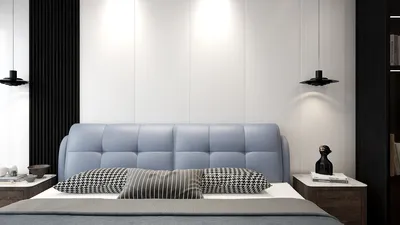


[Section: Introduction]
As a designer, I am continuously analyzing contemporary interior design styles such as warm minimalism and biophilic elements that create a balance between comfort and modernity in bedrooms. I firmly believe that even compact master bedrooms can ignite significant creativity, and I have assisted countless homeowners in transforming limited spaces into peaceful retreats. In this article, I will reveal five decorating strategies for master bedrooms that blend practical experience with expert insights, demonstrating how even small decisions can have a substantial effect — including a practical example of a minimalist storage design leveraging the capabilities of Homestyler.
[Section: Inspiration 1]
Minimalist Built-In Storage
My Perspective
I have recommended built-in wardrobes and recess shelving in various master bedrooms; removing bulky furniture instantly opens up the room. For instance, one client living in a small city studio was convinced they needed a move — instead, we optimized the space with built-ins and a foldable desk.
Advantages
Built-in solutions enhance usable square footage and create unobstructed sightlines, a core principle in decoration ideas for master bedrooms with limited space. Custom storage solutions help minimize clutter and enhance functionality, giving the impression of a larger area.
Disadvantages
They generally come with a higher initial cost and may require permits for structural modifications — my clients often joke that investing in tranquility once pays off forever. Additionally, built-ins provide less flexibility for those who enjoy rearranging furniture frequently.
Advice / Cost Considerations
If you're budget-conscious, consider mixing pre-made cabinets with a few custom recesses. Anticipate that custom carpentry can add 10–20% to your renovation budget, but this often enhances the perceived value and daily enjoyment of your space.
[Section: Inspiration 2]
Layered Lighting and Dimmed Zones
My Perspective
I always incorporate three layers of lighting: ambient, task, and accent. In one master bedroom makeover, I introduced a dimmable ceiling fixture alongside bedside sconces and LED lighting under the bed, simplifying morning routines and late-night reading.
Advantages
Layered lighting elevates the atmosphere and personalizes a master bedroom; it's a top recommendation among decoration ideas for master bedrooms aimed at enhancing sleep quality and functionality. Installing dimmers and using warm color bulbs fosters a relaxing environment that promotes better sleep hygiene — a crucial factor in modern bedroom design.
Disadvantages
Increasing the number of fixtures necessitates more switches and a slightly complicated electrical layout, which can be daunting if you're not familiar with it. Homeowners have often chuckled at the numerous dimmer settings they now find themselves debating over with their partners.
Advice / Case Study
Opt for warm white bulbs (2700–3000K) for the ambient layer and targeted task lighting at bedside or in dressing spaces. Consider using smart bulbs or a single multi-channel dimmer to simplify control options.
[Section: Inspiration 3]
Soft, Natural Color Palette
My Perspective
Through experience, I've realized that paint choices can make a more significant difference than the most exquisite headboard. A palette featuring warm neutrals, soft greens, or muted blues can visually enlarge a room and calm the mind. In a recent project, I replaced a bold accent wall with a soothing, layered neutral palette, and the space instantly felt more serene.
Advantages
Neutral and nature-inspired color schemes in master bedrooms for relaxation are known to diminish visual distractions and foster restorative sleep. Implementing a unified color palette across walls, fabrics, and details streamlines the decor and creates a cohesive atmosphere in smaller bedrooms.
Disadvantages
Some may fear that neutrals could come across as dull; however, adding textures and contrasts — such as a woven throw or matte finishes — can address this concern. My clients frequently worry about playing it too safe, only to be thrilled with the tranquil outcome.
Advice / Cost Considerations
Test paint samples on large boards and live with them for a few days before finalizing your choice; lighting can dramatically alter a color's appearance. If you're after a focal point, consider adding a single vibrant accessory instead of an entire painted wall.
[Section: Inspiration 4]
Multi-Functional Layouts with an L-Shaped Zone
My Perspective
When space is at a premium, I design L-shaped zones that delineate sleeping, dressing, and working areas without erecting additional walls. For one client, their master bedroom benefitted from a compact vanity and reading nook simply by rotating the bed and utilizing an L layout to create more open bedside space.
Advantages
An L-shaped configuration enhances bedside space and clarifies pathways, providing a practical approach among decoration ideas for master bedrooms with limited layouts. This design best supports multi-functional living — encompassing sleeping, dressing, and working — without feeling constricted.
Disadvantages
It necessitates precise measurements; if you miscalculate clearances, you could end up with awkward and cramped spaces. I once had to revise a bedside table due to misjudging clearance for drawer swings — a minor oversight with major implications.
Advice / Case Study
Ensure main walkways are at least 80–90 cm wide, and opt for low-profile furniture to preserve sightlines. To experiment with various L-shaped configurations, consider sketching furniture placements to scale before investing in larger items. For quick planning, I often rely on a user-friendly 3D modeling tool like Homestyler to verify circulation: an L-shaped layout can help create more bedside space.
[Section: Inspiration 5]
Textural Headboards and Reflective Elements
My Perspective
To introduce depth to a master bedroom, I often utilize texture and reflective surfaces. In one instance, I replaced a bulky upholstered headboard with a sleek wooden and woven panel and incorporated a slim mirror to reflect natural light; the room felt brighter and more dynamic.
Advantages
Integrating tactile fabrics, woven details, or subtle mirrored accents adds a hint of luxury without cluttering the space — a highly effective strategy among decoration ideas for master bedrooms. A glass feature or slender mirror positioned behind the bed can amplify daylight, making smaller master bedrooms feel airier and more open.
Disadvantages
Excessive reflective materials may feel stark if warm textures are overlooked. I always combine glass or metallics with fabric elements—rugs, throws, or wooden nightstands—to maintain a cozy atmosphere.
Advice / Cost Considerations
If you're seeking brightness without full mirrors, consider a glass-backed nightstand or a mirrored strip behind shelves. To evaluate the brightness effect before committing, temporarily position a reflective panel or mirror; if it resonates with you, think about a permanent fixture with a local craftsman: glass headboard for enhanced illumination.
[Section: Summary]
In conclusion, decoration ideas for master bedrooms need not involve grand changes — they are thoughtful, layered choices. Compact master bedrooms call for smarter design approaches: built-in storage, layered lighting, serene color schemes, practical L-shaped layouts, and carefully chosen textures can elevate tight areas into calming havens. Research from sleep studies underlines the importance of comfort and low light at night (National Sleep Foundation), aligning with these actionable improvements. Which of these five inspirational strategies would you implement first in your master bedroom?
[Section: FAQ]
[FAQ]
Q1: What are the best decoration strategies for a master bedroom on a budget?
A1: Begin by painting, decluttering, and implementing layered lighting with affordable fixtures. Rearranging furniture and including low-cost textiles like a rug or throw can rejuvenate the space without incurring significant expenses.
Q2: How can I make a small master bedroom appear larger?
A2: Utilize built-in or low-profile furniture, maintain a cohesive neutral color scheme, and incorporate mirrors or reflective elements to create a perception of increased space. Open sightlines and minimizing heavy patterns are also beneficial.
Q3: Which colors are most effective for promoting sleep in a master bedroom?
A3: Soft, subdued shades in the blue, green, or warm neutral spectrum tend to foster relaxation. The National Sleep Foundation highlights that a serene environment, including thoughtfully chosen colors and lighting, encourages better sleep.
Q4: How much storage should a master bedroom provide?
A4: Aim for specific zones dedicated to clothing, linens, and everyday items — think wardrobe, under-bed storage, and a few drawers tailored to your lifestyle: someone working from bed will require a different setup than someone who stores seasonal items.
Q5: Is it possible to mix modern and traditional styles in a master bedroom?
A5: Certainly — combining styles adds character. Center the room with one unifying element (color or material) and let accents alternate between modern and traditional to achieve balance.
Q6: What essential lighting is needed for a master bedroom?
A6: Three layers are key: ambient (overhead), task (for reading or dressing), and accent (for art or architectural features). Including dimmers allows for mood control and supports sleep routines.
Q7: Is a headboard a necessity?
A7: Not strictly necessary, but a headboard provides a focal point and can add texture and warmth, along with practical support for sitting up in bed. Sleek or wall-mounted options are ideal for compact areas.
Q8: How should I choose a rug for my master bedroom?
A8: Size is crucial — a rug should extend at least 60–90 cm beyond the edges and foot of the bed to delineate the area. Also, consider the pile height for comfort and maintainability when selecting materials.
save pin
Looking to transform your space? Homestyler is your go-to online home design platform! With its user-friendly design tool, stunning 3D renderings, and a wealth of inspiring design projects and video tutorials, you can effortlessly create the home of your dreams—no experience necessary!
Design jetzt kostenlos
































