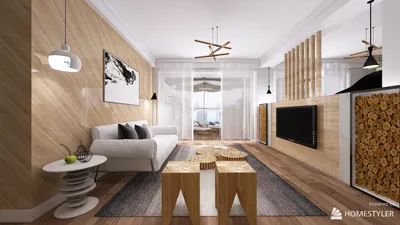


Maroon infuses warmth, depth, and an understated confidence, creating a lasting impression that elevates any environment from ordinary to extraordinary. I consider maroon not just a flat statement but rather a multifaceted tool: it can act as a soothing backdrop with soft, enveloping lighting or bring vibrancy when paired with bright neutrals and reflective surfaces. By carefully choosing the right lighting, ergonomic comfort, and materials, this rich color transforms into a versatile foundation for spaces such as living rooms, bedrooms, dining areas, and home offices, especially when utilizing tools like Homestyler for layout visualization.
Research in color psychology reveals that maroon resonates with sophistication and stability, characteristics that contribute to a calm and balanced interior atmosphere. The emotional impact of this color changes depending on its context and the elements it is paired with; for instance, deep reds can create a cozy ambiance alongside soft textures and warm lighting. It's essential to consider data in this context. The WELL v2 standard suggests ambient lighting levels between 150–300 lux for lounges to alleviate eye strain, while workspaces should target 300–500 lux for optimal focus. According to studies from Steelcase, controlling glare and ensuring visual comfort significantly enhance cognitive function and perceived well-being. I design maroon color schemes with these insights in mind, ensuring that spaces feel harmonious rather than oppressive. Find further guidance on lighting standards in WELL v2 and explore Steelcase research for more on comfort and human factors.
In addition to lighting, balance is crucial for achieving harmony. I typically incorporate maroon at 20–30% of the overall color scheme in smaller spaces to maintain visual clarity, while larger areas can support around 40% maroon as long as it is counterbalanced with low-reflectance materials and lighter ceilings to maintain vertical lightness. Insights from the Interaction Design Foundation remind us that predictable visual patterns and managed contrasts can lower cognitive load, showcasing maroon's ability to ground the gaze while lighting and surfaces guide movement.
Living Rooms: Embrace Maroon with Mindful Layering
A maroon living room offers warmth and invitation when designed thoughtfully: consider one maroon wall behind the seating area, a rug featuring 10–15% of the accent color, and upholstery in hues like camel, oatmeal, or soft gray to lighten the overall tone. I recommend using tactile materials like velvet or chenille for accent chairs, meanwhile opting for matte wall finishes to minimize glare, which is particularly beneficial in sunlit spaces. Set the ambient lighting around 200–300 lux, pair it with warm 2700–3000K lamps, and introduce asymmetrically placed floor lamps to wash the maroon wall gently. When planning the arrangement, a room layout tool, such as Homestyler, can effectively aid in visualizing seating arrangements and sightlines before finalizing paint and furniture choices.
Bedrooms: Cultivating Serenity with Controlled Contrast
In a bedroom setting, maroon is most effective where relaxation occurs—behind the headboard or in curtains. I prefer finishes of eggshell or matte for maroon to prevent distracting reflections. Combine this with natural oak, cozy boucle fabrics, and off-white linens to promote softness. During evening hours, aim for ambient lighting levels between 100–200 lux with 2700K lamps, and keep high-contrast edges to a minimum. If sound is a concern, maroon fabric wall panels or upholstered headboards can enhance acoustics while reinforcing the color theme. Additionally, a narrow maroon border on bedding can elegantly tie the scheme together without overwhelming it.
Dining Rooms: Enhancing Atmosphere and Appetite
Maroon enriches the ambiance in dining areas. A maroon wainscot combined with lighter upper walls creates an airy feel, while using maroon on the ceiling tray can foster intimacy. Complement this setup with aged brass or bronze accents and mid-tone woods like walnut or sapele to infuse warmth. Target an ambient lighting level of 200–300 lux, with 150–250 lux focused on the table surface using dimmable pendants; maintaining a color temperature between 2700–3000K ensures the richness of maroon and skin tones is upheld. For contrast, crisp white plates and linens can lift the aesthetic while avoiding monotony.
Home Offices: Maintaining Focus by Minimizing Fatigue
Maroon works well in a study or home office by being strategically limited to lower visual fields, like casework, credenzas, or an accent wall away from the primary task area. The workspace should prioritize focused lighting at 300–500 lux while managing glare to reduce fatigue. Use satin or matte finishes on maroon elements, as glossy surfaces can elevate distractions. Pair it with neutral tones such as graphite, pale greige, or sage to maintain a polished, professional appearance.
Entryways and Hallways: Establishing Initial Impressions
In transition spaces, I apply maroon in small quantities—perhaps a console wall, decorative stair risers, or a runner with maroon patterns. Since these zones are passages, a brighter ceiling and lighter trims help retain lightness. Utilizing maroon in artwork frames or doors can create an inviting arrival experience without darkening the area. Consistent contrasts aid in movement and navigation, with maroon against light walls guiding individuals smoothly.
Material and Finish Combinations
Maroon achieves its full potential when paired with rich textures. Consider matte mineral paint, mohair fabrics, leather, and ceramic glazes featuring subtle variations. The choice of metals also plays a significant role—antique brass and blackened steel enhance warmth, while polished chrome may give maroon a cooler, modern edge. In kitchen designs, maroon cabinetry shines when paired with lighter surfaces like terrazzo or honed quartzite countertops. In bathrooms, maroon tile accents against off-white field tiles prevent feelings of confinement.
Effective Lighting Techniques for Dark Colors
Deep hues require careful lighting strategies. I blend indirect lighting to soften flat surfaces with directional lighting to create visual interest. Wall washers can evenly illuminate expansive maroon areas, while focused accents highlight artwork or shelves. Ensure the Color Rendering Index (CRI) is above 90 around maroon to maintain its complexity. To minimize glare on darker shades, choose non-glossy finishes and position luminaires to prevent reflected light from interfering with sightlines.
Acoustic Comfort and Behavioral Dynamics
Maroon exudes tranquility when combined with sound-absorbing materials. High-pile rugs, upholstered panels, and lined curtains effectively reduce sound reverberation, particularly beneficial in open-concept layouts. Spaces aimed at relaxation should evoke low visual clutter: fewer high-contrast stripes, controlled pattern scales, and organized storage will keep the focus on texture and color rather than mess.
Balancing Proportions, Rhythm, and Visual Aesthetics
I prefer using maroon to anchor elements in a room—the lower third of the composition, such as rugs, low furniture, and base walls. Lighter hues should dominate the upper walls and ceilings to maintain a comfortable vertical lighting gradient. Rhythm emerges from the repeated use of maroon in smaller doses—through throw pillows or trims—rather than large swathes. In narrow rooms, vertical maroon bands can enhance proportions; in wider spaces, horizontal placements can unify the palette without it appearing chaotic.
Sustainable Choices When Working with Maroon
When selecting materials, prioritize low-VOC paints and sustainably sourced fabrics. Options like recycled polyester velvets and FSC-certified wood align with maroon's classic charm while mitigating ecological impact. It’s prudent to choose durable finishes that endure, particularly in high-traffic areas, and opt for stain-resistant fabrics where food and beverages are present.
Planning Layouts Featuring a Bold Color Scheme
When working with such a striking color, clarity in layout becomes essential. Position seating elements around the maroon focal point, keeping clear pathways open and placing light sources strategically to balance visual weight. Utilizing a room design tool like Homestyler allows you to evaluate sightlines, focal walls, and furniture arrangements incorporating maroon before finalizing your design.
Common Pitfalls to Avoid
Two typical missteps to watch for include excessive use of maroon across expansive surfaces and mismatched color temperatures in lighting. Keep maroon usage intentional rather than ubiquitous, and synchronize lamp color temperature to ensure materials don’t appear muddy or overly cool. Also, be cautious of gloss levels; applying high sheen to dark colors can magnify imperfections and cause glare.
FAQ Section
For compact spaces, limit maroon coverage to about 20–30% of the overall visual area. This can be achieved with a feature wall or select textiles, complemented by lighter ceiling and trim to enhance brightness.
Maintain a comfortable ambient lighting level of 150–300 lux in living spaces with warm lamps rated 2700–3000K. In designated work areas, ensure layered task lighting reaches 300–500 lux to retain the richness of maroon and its effect on skin tones.
Colors like oatmeal, greige, mineral gray, and soft whites work well to balance maroon’s depth; pairing with natural woods such as oak and walnut, along with brass accents, introduces warmth and texture.
Maroon can overwhelm if excessively applied. Utilize it in areas like behind the headboard or through textiles, opt for matte finishes, and use lighter ceiling colors to maintain a sense of space, providing a calm focal point.
Ensure to use high CRI lighting (90 or above), incorporate tactile materials such as velvet or boucle, and add small reflective accents like brass or glass. Controlled contrasts with lighter elements will keep the color palette dynamic.
Yes—apply maroon judiciously as a single striking element against a restrained palette. Prioritize clean lines and limit accessories for an elevated appearance.
Utilize rugs, upholstered furniture, and lined curtains to absorb sound. Soft materials complement maroon visually while enhancing conversation clarity.
Absolutely—position maroon on secondary surfaces or utilize as an accent wall away from main task areas. Maintain 300–500 lux task lighting and steer clear of glossy finishes near screens to minimize glare.
Opt for matte or eggshell finishes for feature walls and bedrooms, while satin can be ideal for high-traffic zones for better cleaning. Avoid high gloss unless aiming for dramatic reflective effects on perfectly flat surfaces.
Materials like honed stones (quartzite, terrazzo), warm metals (brass, bronze), and light-colored tiles pair harmoniously with maroon. Ensure ceilings and upper walls remain lighter to avoid creating an enclosed atmosphere.
Homestyler is your go-to online home design platform! With an easy-to-use design tool, stunning 3D renderings, and a wealth of DIY video tutorials, you can effortlessly create and visualize your dream spaces. Whether you're a beginner or an experienced designer, Homestyler inspires creativity in every project!
立即免费设计
































