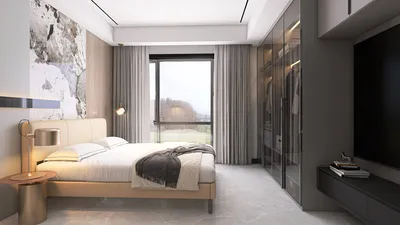


Marble walls bring a sense of serene confidence to any living room. Their classic beauty not only enhances aesthetics but also affects light dynamics, color perception, and social interactions. Research in both workplace and residential settings indicates that high-quality materials and organized visuals are closely linked to overall comfort and satisfaction. According to Gensler's U.S. Workplace Survey, well-designed environments lead to improved experiences, supporting focus and rejuvenation—principles that can also be applied to home environments aimed at relaxation and restoration. Using tools like Homestyler can help visualize these transformations.
The interaction of light with marble reveals its intricate veining and depth; inadequate lighting can diminish its appeal. The Illuminating Engineering Society (IES) advises a lighting level of 100–300 lux for living areas, recommending a mix of ambient and accent lighting to minimize glare while showcasing texture. WELL v2 emphasizes the importance of visual comfort through balanced contrast and reduced glare to alleviate eye strain and uplift mood. This encapsulates a core principle I apply in my projects: consider a marble wall as a sculptural element, deserving of its dedicated lighting scheme. For further insights into visual comfort and harmonious integration into our routines, the WELL Building Standard is an excellent resource (v2.wellcertified.com).
The subtleties of color psychology also play a critical role. As highlighted by Verywell Mind, cooler tones tend to have a calming effect while warmer ones can invigorate; marble, with its unique veining, often embodies both. When combined with carefully calibrated lighting (2700–3000K for cozy evenings, 3500–4000K for bright days), a marble feature wall serves as a versatile backdrop, adapting to our circadian rhythm. In family rooms, I aim for a base ambient light of 200–250 lux with an 8:1 highlight ratio on the stone to enhance the veining without glare.
Key Approaches to Marble Wall Design
Every marble wall design starts with a deliberate intention: whether it serves as a focal point, aids in acoustics, or provides a subtle backdrop. This intention informs choices in slab selection, finishing, joints, and lighting strategies. When planning layouts—considering seating orientation, TV placement, or traffic flow—quick simulations with a room layout tool, such as Homestyler, can help assess sightlines and glare factors.
1) Bookmatched Drama with Controlled Proportions
Bookmatching creates a visually captivating mirror effect akin to large-scale artwork. It achieves the best results when the panels align with the primary proportions of the room. My recommendation is to center the natural axis of the bookmatch with the room's focal point (like the fireplace or TV) and maintain a 1:1.618 ratio between the visible height and width for visual tranquility. To mitigate glare from overhead lights, opt for matte or honed finishes; reserve polished styles for areas with ample diffuse daylight.
2) Integrated Fireplaces and Media
The timeless combination of marble with fire brings a classic feel, but it’s crucial to consider the potential impact of heat and soot on the surfaces. For durability, select denser types of marble like Arabescato or Statuario to retain their sheen, or apply a honed finish with a high-temperature micro-sealer around the firebox. In media wall designs, embed screens in shallow niches to highlight the marble; incorporating a blackened steel or walnut frame helps bridge the gap between technology and stone. Maintain a distance of about 1.5 times the screen diagonal from the viewer for comfort while angling accent lights at 30–35 degrees to prevent glare.
3) Fluted or Ribbed Marble for Tactile Shadow
Adding linear fluting introduces rhythm and improves acoustic properties. This design feature softens echoes while avoiding the weight of heavy acoustic panels—ideal for harder surface living spaces. To enhance sound quality, combine with plush fabric upholstery and a thick rug, aiming for a reverberation time below 0.6 seconds for clear conversations. Illuminate fluted walls with grazing fixtures positioned 6–12 inches from the surface to reveal texture, while dim-to-warm LEDs create a cozy atmosphere in the evening.
4) Panelized Systems with Expressed Joints
Utilizing large-format panels simplifies maintenance and fits well with contemporary styles. I view joints as integral design elements: narrow 3–5 mm reveals in anodized aluminum or bronze establish a sleek grid. Plan for access, ensuring magnetized or concealed hinge panels near media connections for convenience. To protect fragile stone edges, consider mitering corners or adding contrasting metal detailing where the wall meets the corners.
5) Mixed Material Surrounds
Marble complements a variety of materials like wood, limewash, linen wall coverings, and dark metals beautifully. I recommend a composition ratio of 70/20/10—70% neutral field, 20% marble feature, and 10% metal or wood accents—to maintain visual clarity. For instance, walnut can warm the cooler tones of Carrara, whereas oxidized bronze can enhance the richness of Calacatta Oro. Aim for a contrast of around 30 points in Light Reflectance Value (LRV) between the stone and surrounding finishes to achieve clarity without harshness.
6) Light Strategy for Depth and Comfort
Strategically planning lighting before the stone installation is vital. I layer lighting with (1) cove or ceiling sources at 150–200 lux, (2) adjustable accent lights focused on key veining, and (3) low-level washes from wall-integrated sconces. To minimize glare, specify deep-recessed trims and limit shielding angles to 40 degrees or more. Incorporating dimmers is essential; establishing scenes for day, evening, and entertainment helps set the room's atmosphere.
7) Ergonomics, Behavior, and Sightlines
Creating a marble focal wall influences how people interact and orient themselves. Ideally, seating should have a depth of around 21–23 inches, allowing for a comfortable mix of ages; ensure 36 inches of clearance behind sofas for smooth traffic flow. When a TV is mounted on the marble wall, position the screen at eye level when seated (generally between 42–48 inches high). If the wall is solely for art, keep coffee table edges 15–18 inches from the sofa to foster a relaxed seating posture and ease of access.
8) Sustainability and Stone Selection
Not all marble is created equal. Inquire about quarry details, available embodied carbon metrics, and low-VOC formulations for third-party sealers. For high-traffic areas, consider alternatives such as sintered stone, while reserving natural marble for eye-level applications. Choosing a honed finish helps conceal micro-scratches, while a penetrating sealer with stain-resistant properties ensures durability without a synthetic sheen.
9) Warmth and Acoustic Balance
Visually, marble can present a cool aesthetic. To counter this effect, integrate warm textiles, solid wood elements, and layered rugs. For improved acoustics, add soft materials to surfaces opposite the stone—think fabric panels, curtains, or bookshelves laden with books. It's also prudent to keep HVAC vents away from the marble face to prevent dust accumulation.
10) Detailing that Elevates
- Shadow gaps: 10–15 mm at the ceiling and floor to create a floating appearance for the slab and accommodate tolerances.
- In-wall wiring: pre-design conduits before stone templating and clearly label service panels.
- Edge strategy: eased edges (2–3 mm) to resist chipping, only miter external corners when absolutely necessary.
- Maintenance: specify pH-neutral cleaners and conduct annual sealer checks; avoid acidic agents that may damage the calcite surface.
Spatial Planning: Getting the Focal Wall Right
Prior to finalizing your marble choice, ensure you check the scale and view lines. Outline the intended area on the wall with tape and observe from key seating positions at different times of the day. Use a room design visualization tool, such as Homestyler, to simulate viewing angles and glare, ensuring that the final installation aligns well with daily usage patterns.
Color and Mood Pairings
- Carrara (cool, subtle veining): harmonizes with taupe textiles, satin nickel, and lighting set at 3000–3500K.
- Calacatta Oro (warm gold veining): complements walnut, burnished brass, and lighting tuned to 2700–3000K.
- Nero Marquina (high contrast): pairs well with oak, matte black finishes, and warm accent lamps to soften the stark contrast.
- Arabescato (dynamic veins): maintain a subdued environment with solid-colored upholstery and diffuse wall washers.
Cost and Phasing
Budget for costs associated with templating, substrate preparation, and specialized installations. Prefabricated panels can reduce onsite time, but intricate bookmatching may necessitate a greater waste factor (plan for 20–30% overage, depending on vein alignment). Schedule lighting installations and AV cabling before templating to prevent rework.
Common Pitfalls to Avoid
- Overlighting polished marble can lead to overwhelming glare and visual fatigue.
- Tight corners without protective edging can result in chipping.
- Neglecting HVAC airflow or sunlight may cause long-term streaks or fading in adjacent materials.
- Avoid placing art on the marble with aggressive adhesives; use mechanical cleats instead.
FAQ
Carrara and Calacatta are timeless choices; Arabescato offers movement; Nero Marquina introduces a dramatic flair. Choose based on the ambient light and contrast you wish to achieve. Honed finishes are better suited for active households.
Aim for ambient lighting levels between 150–200 lux, with targeted accents achieving a contrast ratio of 5:1 to 8:1 on the stone surfaces. Utilize aiming angles of 30–35 degrees and deep-recessed trims to optimize glare management according to IES recommendations.
You can achieve a warm feel by balancing with warm woods, textiles, and lighting in the 2700–3000K range. Color psychology shows that warmer hues increase perceptions of warmth and comfort.
It’s feasible to manage reflections by using a honed finish near screens, recessing TVs, and angling accent lights to prevent direct glare. Ensure windows opposite the wall are equipped with dim-out shades.
Marble maintenance is manageable with the right penetrating sealer, pH-neutral cleaners, and felt pads tucked behind accessories. Steer clear of acids and abrasive cleaning tools that might mar the surface.
Yes—the impact of hard surfaces can be softened with rugs, upholstered furniture, and drapes. Fluted marble also helps diffuse sound, minimizing echo effects.
To achieve balance, the visible marble should occupy 60–80% of the main wall's width, maintaining a focal proportion of 1:1.6 in height-to-width ratio whenever possible. Center the design to the room's primary axis for cohesiveness.
Plan for structural blocking prior to stone installation. Utilizing mechanical cleats or stand-offs is preferable; avoid adhesives that can damage sealers and limit the removability of the stone.
Polished finishes are best for low-glare settings with diffuse light in more formal areas. Honed finishes work better in everyday spaces exposed to mixed lighting, reducing reflections and signs of wear.
Choose high-quality sealants, maintain a distance from HVAC airflow, and regularly dust the surfaces. Promptly address spills and avoid oil-based polishes to prevent discoloration.
Utilize layout simulation tools to test seating arrangements, circulation paths, and glare management before proceeding with fabrication. Mocking up with painter’s tape can help validate true proportions.
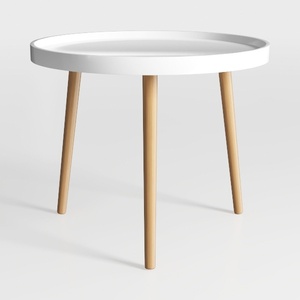
danpinera Round Side Table, Metal Legged Accent
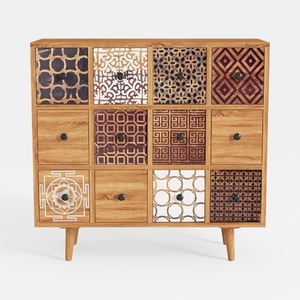
Best Choice Products 9-Cube Storage Organizer
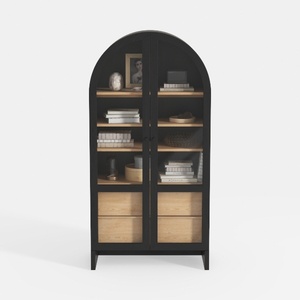
Modway Evie Arched Display Cabinet in Black Oak -
Discover the joy of home design with Homestyler! This user-friendly platform offers an intuitive online design tool, stunning 3D renderings, and a wealth of inspiring design projects and DIY video tutorials. Transform your ideas into reality effortlessly, regardless of your experience level!
Desain sekarang Gratis
































