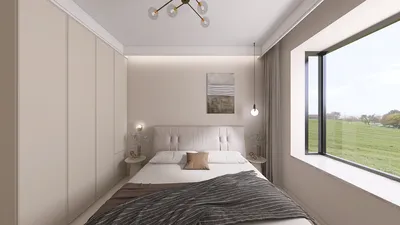


Having worked with numerous marble-top dining sets across various environments including homes, apartments, and commercial spaces, the appeal of a marble surface is unmistakable. It provides a sense of timelessness, anchoring a room while gracefully enduring daily use, given proper selection and maintenance. When paired with the right base, lighting, seating, and acoustics, marble transitions from being a mere decorative item to a practical family dining table, making it the ideal choice for comfort and functionality, and it works beautifully in designs created with Homestyler.
When it comes to design, functionality must take precedence over aesthetics. Recent studies on workplace and residential spaces indicate that the quality of spatial arrangements and material choices can significantly influence user experience. Gensler's 2024 findings, for instance, connect well-designed, comfy environments to increased task effectiveness. Lighting, too, plays a critical role; the Illuminating Engineering Society suggests that dining areas should maintain an ambient light level of 100-300 lux, complemented by accent lighting for comfort and clarity. Additionally, the psychology of color should not be overlooked: according to Verywell Mind, warm colors tend to enhance appetite and social interaction, while cooler tones can help soothe overstimulated areas. These insights encourage a thoughtful blend of marble's cooler visuals with warm lighting and inviting textures, perfectly suited for settings designed with Homestyler.
Selecting the Ideal Marble Top
Marble isn't created equal; its characteristics vary significantly between types. Dense, low-porosity varieties such as certain Carrara or Statuario choices resist stains better compared to more porous options. Natural imperfections, including veining, are not flaws; they add narrative to the stone's story. For those who frequently entertain, opting for a honed finish is advisable, as it reduces glare and diminishes the appearance of micro-etching compared to high-gloss finishes. Families with children might benefit from a honed or leather finish alongside a good penetrating sealer, creating a more forgiving yet sophisticated surface that fits an elegant aesthetic, especially when showcased using Homestyler.
Typically, a standard thickness for residential dining marble slabs is between 20-30 mm, though thicker edges of 40 mm provide a more substantial look. A rectangular top that measures 72-84 inches (183-213 cm) usually weighs between 200-350 lbs (90-160 kg), dependent on thickness and stone type. It is crucial to ensure that the base and floor can adequately support this weight, as well as confirming that doorways and stairways are suitable for delivery. Softening the corners can help mitigate accidental bumps in tight settings.
Base Design: Ensuring Stability, Legroom, and Aesthetic Flow
A solid base is essential for a marble table as it must evenly distribute weight. I personally favor pedestal or trestle frames that yield wide surface area contact. Comfortably accommodating spacing is vital; aim for 24-26 inches (61-66 cm) of width per person along with at least 12 inches (30 cm) of clearance from the edge of the table. The negative space surrounding the base contributes to the overall visual rhythm—clean lines can help the marble appear lighter, while more sculptural bases emphasize craftsmanship. In a smaller apartment or elongated dining area, a simple pedestal base often excels in both mobility and stability, which can be planned effortlessly using Homestyler.
When testing table layouts for clients, I model circulation patterns: maintaining at least 36 inches (91 cm) of space around the table for easy movement, and 42-48 inches (107-122 cm) where service or wheelchair access is crucial. If you need to evaluate various room configurations before finalizing your choice of base, utilizing a room layout tool that allows you to drag, measure, and visualize spatial changes both in 2D and 3D can be highly beneficial.
Seating: Merging Comfort with Aesthetic Appeal
Chair comfort can dictate the length of your dining experience, whether it lasts half an hour or stretches into hours of conversation. For standard 29-30 inch table heights, a target seat height of 18-19 inches is ideal, allowing for 10-12 inches of legroom. Chairs with curved backs and upholstered seating minimize pressure points; if you prefer hard seats crafted from wood or metal, consider adding cushions with removable covers for ease of cleaning. Balancing two upholstered host chairs with wipeable side chairs maintains comfort while keeping maintenance straightforward. If benches are your choice, ensure they have a depth of at least 14-16 inches, with supportive backs for enjoyable long gatherings at the table.
Illuminating the Marble: Mitigating Glare and Creating Warmth
Due to its reflective quality, marble can significantly amplify glare produced by harsh lighting. For an effective solution, I advocate for a layered lighting approach: utilizing a central pendant or chandelier for overall illumination, dimmable wall sconces for added depth, and low-glare task lighting if required. The target is to achieve 200-300 lux on the dining surface, paired with a warm-white color temperature between 2700-3000K to counterbalance marble’s naturally cool appearance. Incorporating diffusers or shades can assist in softening reflections, while suspending pendants at a height of 30-36 inches (76-91 cm) above the table surface ensures optimal lighting. When dimming options are available, it encourages setting up different atmospheres, ranging from bright breakfast settings to cozy evening gatherings—something smoothly managed within designs created using Homestyler.
Acoustics: Addressing Sound Reflection
Marble's hardness can cause sound to bounce, making it necessary to consider acoustic treatments. Layering absorbent materials like rugs (with dense padding underneath), upholstered chairs, linen curtains, and art designed for acoustic absorption can greatly enhance conversation flow. In larger, open spaces, introducing a padded ceiling element or micro-perforated panels can lead to noticeable improvements. The goal is to find a balance—enough absorption to mitigate echo without making the space feel lifeless.
Color Psychology and Material Combinations
To add warmth to a cooler white marble, I often combine it with walnut or oak chairs, matte brass accents, and textiles in clay or terracotta shades. When working with marble that features pronounced gray veining, pairing it with deep charcoal seating and a singular bold hue—like oxblood, forest green, or midnight blue—can ground the overall color scheme. Research in color psychology shared by Verywell Mind indicates that warm reds and oranges encourage appetite and socialization, while greens and blues offer a calming effect. I like to strike a balance with earthy neutrals, interspersing subtle warm accents to keep attention directed towards the stone's intricate veining.
Sizes and Shapes: Adapting to Spaces and Rituals
- Round (48-60 inches / 122-152 cm): Ideal for encouraging conversation and fitting into tight corners, utilizing a singular pedestal to optimize legroom.
- Rectangular (72-96 inches / 183-244 cm): Perfect for longer spaces and larger gatherings, with trestle or double pedestal bases for weight distribution.
- Oval (72-96 inches / 183-244 cm): Effortlessly softens traffic patterns in narrow areas while maintaining generous seating capacity without sharp edges.
Match your table size to your typical lifestyle: for two regular diners and occasional weekend guests, a 72-inch oval table with six chairs and two stackable seats is a wise choice. Should you enjoy hosting elaborate meals, ensure enough room for serving dishes, or contemplate a sideboard along the longest wall.
Maintenance: Caring for Marble Without Anxiety
Contemporary penetrating sealers significantly enhance marble's durability beyond its traditional reputation. It is recommended to re-seal annually or as instructed by the manufacturer; water beading serves as an indicator that the seal is intact. Promptly clean any spills using pH-neutral stone cleaners—avoid vinegar or lemon. Etching, which manifests as dull marks from acids, may still occur on polished finishes; hence, honed surfaces are preferred as they conceal these imperfections more effectively. Using fabric mats during red wine tastings, meals with citrus, or tomato sauces, and adding felt pads beneath heavy serving pieces can prevent unsightly scratches while maintaining the elegance of the surface, helping to prolong its life when used in coordination with Homestyler.
Safety and Sustainability Considerations
Ensure that your table base is either mechanically fastened or secured with a non-staining adhesive to prevent any shifting. For households with children, it's advisable to add subtle corner radian edges and confirm that the table’s center of gravity is stable enough to resist tipping when kids lean against it. In terms of sourcing, prioritize quarries that adhere to ethical labor and environmental practices, or consider reclaimed stone where feasible. Pairing marble with sustainably sourced wood and low-VOC finishes for chairs and storage solutions can further enhance the table's eco-friendliness while achieving a chic look.
Styling: Achieving Elegance Without Excess Clutter
Marble naturally complements negative space. A simplistic hand-thrown bowl, a modest floral display, or a sculptural candle holder can effectively accentuate the table. Keep centerpieces at a height below 12 inches (30 cm) for clear sightlines. Seasonal textiles—such as linen runners in summer and wool-blend placemats in winter—can add warmth and enhance acoustic comfort, all while showcasing the beauty of the marble surface underneath, especially in designs crafted with Homestyler.
Recommended Layout Scenarios
- Small dining nook: a 48-inch round marble top on a tulip pedestal, four curved-back chairs, accompanied by a low-diffused pendant and a flatweave rug with dense padding to maintain circulation of at least 36 inches.
- Open-plan living-dining: an 84-inch oval marble top on a double pedestal base, featuring six upholstered side chairs, two host chairs in easy-to-clean fabric, layered lighting with a dimmable chandelier, and wall washers to warm the stone, along with drapery to aid acoustics.
- Long hallway dining: a 96-inch rectangular marble top with a trestle base, bench seating on one side to save space, armless chairs on the opposite, sconces to minimize glare from overhead lighting, and a slender runner rug for navigation.
FAQ
Q1. Are marble dining tables suitable for households with kids?
A1. Definitely—select a honed or leathered finish, ensure proper sealing, and keep pH-neutral cleaners handy. Utilizing placemats for acidic items and felt pads for heavy serving ware enhances practicality and stability.
Q2. How much spacing should I allow around a marble table?
A2. At least 36 inches (91 cm) is necessary for movement; ideally, 42-48 inches (107-122 cm) should be planned for serving or accessibility, ensuring chairs can be maneuvered freely and walkways remain unobstructed.
Q3. What lighting works best above a reflective marble surface?
A3. Implement a dimmable pendant or chandelier with diffusers, ideally set at 2700-3000K, keeping the fixture 30–36 inches above the table while layering ambient light through wall fixtures to decrease glare and enhance visual depth.
Q4. What chair dimensions ensure comfort with a 30-inch table?
A4. Aim for an 18-19 inch seat height with 10-12 inches of legroom. Chairs with ergonomic curves and light upholstery help support extended dining experiences without discomfort.
Q5. Which table shape is optimal for compact dining areas?
A5. A 48-54 inch round table with a single pedestal maximizes seating while optimizing space, avoiding blockage in high-traffic areas, and fostering face-to-face interactions.
Q6. What steps can I take to prevent etching and staining?
A6. Regularly seal the stone, promptly wipe up spills, and avoid acidic cleaners. Use protective mats for frequently served acidic foods. If etching happens on polished marble, professional honing can rejuvenate the surface.
Q7. Will a marble table look visually cold?
A7. Counterbalance the cool appeal of the stone with warm lighting (2700-3000K), wood seating, brass or bronze accents, and textiles in warm or earthy shades, to make the surface appear inviting while retaining elegance.
Q8. How many diners can common table sizes accommodate?
A8. A 48-inch round typically seats 4; a 60-inch round seats 6. A 72-inch rectangular or oval can seat 6, while 84-96 inch tables accommodate 8-10 guests depending on the width and style of chairs.
Q9. Are there sustainable options available for marble dining sets?
A9. Look for reclaimed marble slabs, sourcing from quarries with responsible environmental practices. Pair marble with sustainably sourced wood bases and finishes that are low in VOCs to enhance eco-friendliness and longevity.
Q10. Is it possible to mix various chair styles with a marble table?
A10. Certainly! Combining two upholstered host chairs with simpler side options is completely acceptable. Just make sure the chair heights are consistent and the finishes harmonize for visual cohesion.
Q11. What’s the safest edge profile for a table?
A11. A softly rounded or bullnose edge can help to reduce impact risks. This is especially beneficial in busy areas or households with young children.
Q12. How can I assess furniture scale before making a purchase?
A12. Tape the projected dimensions on your floor and practice moving chairs in and out. For a quick visual assessment, consider using an interior layout planner to visualize seating arrangements and circulation: room layout tool.
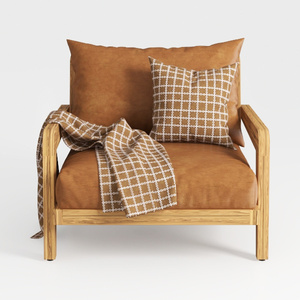
Modern Solid Wood Frame Leather Armchair With Decorative Throw Pillow 3D Model

Minimalist Solid Wood Fluted Round Dining Table 3D Model

Minimalist Solid Oak Fluted TV Stand with Black Metal Legs 3D Model
Homestyler is an exceptional online platform that simplifies home design for everyone. With its user-friendly design tool, stunning 3D renderings, inspiring design projects, and helpful DIY video tutorials, you can effortlessly transform your ideas into reality and create your dream space in no time!
Diseño ahora GRATIS
































