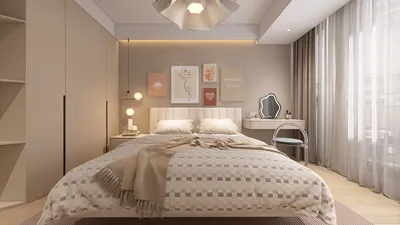


I've utilized world map wallpapers in study areas, children's rooms, and collaborative workplaces to create a visually engaging yet informative atmosphere. The secret lies in selecting the appropriate scale, finish, and color to ensure the map serves as both a striking centerpiece and a calming backdrop. Research supports the significance of such visual anchors: Gensler's workplace studies indicate that 90% of high-performing companies invest in experience-centric environments—including graphics and murals—to enhance engagement and foster identity. From an ergonomic perspective, the WELL v2 "Light" concept underlines the importance of layered, glare-controlled lighting to keep large wall graphics readable with minimal eye strain.
The importance of color cannot be overstated. Research on color psychology shows that blues and greens promote calmness and focus, while vibrant reds can heighten energy levels—ideal for stimulating spaces but potentially distracting in reading areas. The Interaction Design Foundation emphasizes that color contrast and hierarchy play critical roles in directing attention, especially when choosing between political versus physical maps and assessing label densities. The quality of lighting also influences readability: the IES recommends a task illuminance of approximately 300–500 lux in reading areas; if your map includes small text or intricate details, it's wise to incorporate accent lighting to mitigate glare from glossy finishes.
Types of Map Wallpapers: Suitable Choices for Different Spaces
• Political maps: High-contrast borders and labels facilitate quick reference, making them perfect for study rooms and home offices.
• Physical/topographic maps: Softer color palettes with terrain shading create a tranquil, nature-inspired ambiance—ideal for bedrooms or wellness spaces.
• Vintage or sepia maps: Warm neutral tones blend beautifully with natural wood and brass elements; they adapt well to ambient light and add character to living areas.
• Minimal linework maps: Featuring less visual noise, these maps are suitable for compact areas and Scandinavian designs, offering texture without overwhelming.
• Illustrated maps for kids: Fun icons enhance learning and storytelling while maintaining gentle color temperatures that promote rest.
Scale, Composition, and Wall Selection
The legibility of a map hinges on its scale and the viewer's distance. For reading labels comfortably from a sofa (about 2.4–3 m away), ensure that country names are at least 10–15 mm high. In smaller bedrooms where the viewing distance is 1.8–2 m, minimize label density or choose a simplified map. For optimal readability, avoid wrapping maps around corners; a flat, unobstructed primary wall is preferred. If your room layout is still in flux, using an interior layout planner tool like Homestyler can help you test sightlines, furniture heights, and potential glare.
Lighting for Readability and Atmosphere
• Ambient: Aim for 200–300 lux uniformly across the room for a comfortable living space, adjusting to 300–500 lux in study areas as per IES guidelines.
• Accent: Use light sources with 10–20° beam angles from wall washers or adjustable track lights to avoid reflections on semi-gloss wallpaper.
• Color temperature: Opt for 3000–3500K in living rooms and bedrooms; 3500–4000K in study rooms to enhance alertness without excessive harshness.
• Dimming: Allow the map to fade into the background for movie nights, and ramp up the lighting for study or reference needs.
Understanding Color Psychology and Complementing Furniture
I recommend a 60–30–10 color scheme: the map (60%) representing the field, furniture upholstery and wood tones (30%), and an accent color (10%) drawn from the map. Cool-hued maps (ocean blues) complement oak, ash, and gray fabrics; warm vintage hues work well with walnut, terracotta, and aged brass. Ensure larger furniture pieces have low contrast against the landmasses and oceans to avoid visual distractions, while allowing smaller accessories to introduce high-contrast highlights.
Material Considerations: Paper, Fabric, and Peel-and-Stick Options
• Non-woven substrates: They are breathable, stable, and easy to remove, making them suitable for most residential applications.
• Vinyl-coated: These are durable and easily cleaned, perfect for high-traffic areas or children's rooms; semi-matte finishes effectively control glare.
• Peel-and-stick: Ideal for renters; just ensure proper surface preparation since texture can show through thin materials.
• Fabric-backed: They provide excellent stability and subtle texture, enhancing large map displays.
Select low-VOC adhesives and inks that have been third-party tested to reduce impacts on indoor air quality. If you're aiming for WELL-compliant interiors, prioritize low-emission materials and verify with manufacturers.
Installation: Seam Strategy and Pattern Alignment
For large maps, careful planning of seams is essential. Align vertical seams through oceans instead of dense city labels to make joins less noticeable. Always dry-fit each drop before final installation and use a sharp blade for double-cut seams to keep coastlines and grid lines smooth. If your wall is slightly uneven, adjust the alignment of the map's meridian to ensure that the equator and key typographic lines stay level with the primary viewpoint.
Strategies for Small Rooms
• Utilize minimal or low-contrast maps to maintain a sense of depth.
• Choose lighter ocean fields to reflect ambient light.
• Frame your map with slim picture lights to create a vertical glow and extend the perception of wall height.
• Position mirrors opposite the map to enhance visual breadth while ensuring that busy labels do not get replicated.
Creating Statements in Large Rooms and Offices
In expansive living or collaborative spaces, oversized maps can serve as communal reference points and storytelling canvases for brands. Research from Steelcase indicates that enriched, adaptable environments correlate with a rise in perceived effectiveness; therefore, a map mural located near project boards or travel planning areas naturally draws collaborative engagement. Incorporate writable panels next to the map for jotting down itineraries and goals, while positioning comfortable seating within 2.5–3 m to facilitate easy reading of labels.
Acoustic Comfort
Since paper surfaces do not absorb sound, counterbalance this with rugs, upholstered seating, and acoustic panels or slatted wood with felt backing. In rooms prone to echoing, use matte finishes on the map wall and hang curtains opposite the mural for enhanced acoustics, which not only enhances comfort during viewing but also lessens cognitive load during study or discussions.
Maintenance and Durability
Dust your maps gently with a microfiber cloth on a monthly basis; for vinyl-coated surfaces, a damp cloth with mild soap can remove fingerprints easily. Shield the map from intense UV exposure to prevent fading; should the wall receive strong sunlight, choose UV-resistant inks or include sheer window treatments.
Integration of Layout and Furniture Positioning
• Maintain a distance of 150–300 mm between tall bookcases and key map elements to prevent visual obstruction.
• Position desks or reading chairs perpendicular to the map to minimize side glare on glossy surfaces.
• In bedrooms, place the map behind the headboard to serve as a subtle focal point; for study areas, ensure it's in direct sight from the desk. Utilizing a room design visualization tool like Homestyler can help simulate distances and eye levels before making decisions.
Budgeting and Acquisition
Customizing scale and color usually entails a higher cost but pays dividends in clarity and aesthetic coherence. For rented properties or short-term installations, peel-and-stick options are budget-friendly and low-risk. Always request a sample swatch and assess it under your room's natural light conditions during both the day and night.
Frequently Asked Questions
Q1. What map style is most suitable for a study area?
A political map with distinct borders and medium-contrast labeling is optimal for quick referencing. Combine it with 3500–4000K lighting and around 300–500 lux for a comfortable reading environment.
Q2. How can I eliminate glare on glossy map wallpaper?
Choose matte or eggshell finishes and angle accent lamps at a 10–20° angle from above. Avoid placing strong light sources directly opposite the map; diffuse the light with shades or utilize wall washers.
Q3. What is the ideal text size to read comfortably from the sofa?
For a 2.5–3 m viewing distance, ensure major country names are at least 10–15 mm high on the print. Keep secondary labels smaller to reduce clutter.
Q4. Is a world map too overwhelming for a small bedroom?
Not if you select a minimalistic or pastel-toned map with simplified labeling. Coordinate bedding and curtains within the map’s main color for a cohesive and serene aesthetic.
Q5. Which substrates are easiest to remove in rental properties?
Peel-and-stick films and non-woven paste-the-wall materials typically remove more cleanly than conventional wallpaper. Conduct a test in a small area to ensure the wall is appropriately primed.
Q6. How does color psychology affect map selection?
Cool tones like blues and greens encourage calm and focus, making them suitable for bedrooms and workspaces. Warmer sepia tones add a cozy feel to living areas; avoid overly bright reds in spaces aimed at relaxation.
Q7. Can map wallpaper enhance collaboration in an office setting?
Absolutely. Studies from Gensler and Steelcase show that effective visual elements and engaging environments stimulate interaction. Position the map near communal tables for flexible seating arrangements.
Q8. What should I do if my wall isn't perfectly smooth?
Opt for heavier non-woven or fabric-backed materials that can disguise minor imperfections. If your wall has a pronounced texture, consider skim coating and priming; thin films will reveal any flaws.
Q9. How should I navigate around electrical outlets and switches while aligning the map?
Plan your panel layout to ensure junctions are positioned in ocean areas. Utilize a sharp blade and wallpaper smoother for precise trimming; avoid dividing clusters of dense labels.
Q10. Is it necessary to use UV-resistant inks?
If your wall is exposed to direct sunlight, then yes. Otherwise, use sheer curtains or UV films on windows to prolong color vibrancy.
Q11. What's the most effective way to clean illustrated maps for kids?
Select vinyl-coated or laminated options; clean with a damp cloth and mild soap. Refrain from using abrasive cleaning pads that could dull the finish.
Q12. How can I incorporate lighting without extensive rewiring?
Employ plug-in picture lights or track systems with adhesive cable management. Utilize smart bulbs to adjust color temperature for different activities, such as reading versus relaxing.
Homestyler is the ultimate online home design tool for anyone looking to elevate their space. With stunning 3D renderings, a variety of design projects, and helpful DIY video tutorials, you can easily create and visualize your dream interiors, regardless of your experience level!
今すぐ无料でデザイン
































