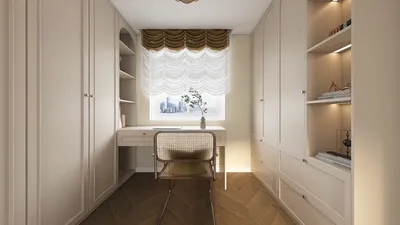


I vividly recall a moment when I boldly painted a small ensuite in a shade of magnolia, only to discover through the mirror's reflection that it appeared more beige than the inviting warm cream I intended. This taught me a crucial lesson: the impact of lighting and context is significant. Now, before committing to such shades, I rely heavily on 3D visualizations, especially in smaller spaces where subtle undertones can become more pronounced. Using 3D visualization has been a game changer, helping save projects and keeping my clients at ease.
1. Combine warm neutrals with natural textures
Magnolia truly shines when surrounded by complementary elements—consider adding linen curtains, oak flooring, and jute rugs. In one studio I designed, the magnolia paint created a serene vibe, while the wooden tones and textured fabrics introduced warmth; however, it's important to be intentional, or else the overall scheme might feel uninspired. A budget-friendly tip is to replace expensive wood with warm-toned laminate or peel-and-stick flooring to achieve a similar aesthetic without overspending.
save pin
2. Use magnolia as a gentle backdrop for vibrant artwork
I have leveraged magnolia to allow colorful artworks to stand out without overwhelming the room's ambiance. This approach provides a versatile backdrop—when you change the artwork, the room's character transforms. One consideration, however, is that lighter frames might fade into the backdrop; therefore, opt for mid-tone frames or install a gallery rail to provide a strong visual anchor for your displays.
save pin
3. Opt for slightly deeper trims for a sharp contrast
Instead of opting for stark white trims, consider a deeper or glossier off-white tone to elegantly frame doors and windows, giving the magnolia a more refined appearance. This technique worked wonderfully in a snug hallway where I also included open shelving to avoid the bulkiness of cabinets; the result was an airy, purposeful space. If you’re reconfiguring a kitchen, think about an open shelving setup that maintains clean sightlines and allows the magnolia to breathe.
save pin
4. Enhance light with layered lighting and mirrors
Magnolia has a way of reflecting light in a warm manner, so it’s beneficial to pair it with layered lighting options—ambient, task, and accent—to prevent a flat appearance. I once rejuvenated a dim guest room simply by incorporating wall sconces and strategically placing a mirror; this approach allowed the magnolia to glow like a soft, sunlit cream. Be cautious, though: using too many warm bulbs can shift the color towards peach, so aim to incorporate a few neutral-temperature lights for balance.
save pin
5. Compact kitchen tips: combine magnolia with reflective features
In smaller kitchens, utilizing magnolia on walls alongside glossy backsplash tiles and slimline hardware can create depth without causing visual chaos. I often utilize 3D visualizations to prototype layouts and quickly assess undertones, which helps prevent unexpected clashes with cabinetry or countertops. For mood experiments, I create AI-generated mood boards before refining the final paint swatches in their actual environment.
save pin
FAQ
Q1: Is magnolia a suitable choice for smaller rooms?
A: Absolutely—magnolia adds warmth to a small area without being overwhelming, but be sure to test it under your room's specific lighting as undertones can vary greatly.
Q2: What are the best wall and trim combinations?
A: Consider pairing magnolia walls with slightly deeper off-white trims or a glossier finish to create a neat contrast that appears sophisticated.
Q3: Does magnolia complement modern or minimalist designs?
A: Yes, definitely. When paired with clean lines, matte black accents, and minimal decor, it retains a modern flair while still offering warmth.
Q4: What’s the best way to test magnolia before committing?
A: Paint a one-foot square on each wall and observe it at different times of the day; many designers, including myself, find 3D visualizations and mockups incredibly useful for this process.
Q5: Can magnolia make a space feel smaller?
A: Only if combined with bulky, dark furnishings—balance it with light fabrics, reflective surfaces, and sufficient lighting to keep the space open and welcoming.
Q6: Which finishes work best with magnolia?
A: Eggshell or low-sheen finishes are both forgiving and contemporary; using a higher gloss on trims adds durability and sharp definition.
Q7: How do I select complementary colors?
A: Test swatches against your flooring and textiles. For more guidance on undertones, check out established resources on color like Benjamin Moore’s color guide (https://www.benjaminmoore.com).
Q8: Is magnolia a timeless choice for resale?
A: Generally speaking, yes—it has broad appeal due to its neutrality, but to ensure its timelessness, make sure it reads clearly as off-white rather than outdated beige by comparing samples in both natural and artificial light.
save pin
Experience the joy of home design with Homestyler! This user-friendly online platform offers an intuitive design tool, stunning 3D renderings, and a wealth of DIY video tutorials. Whether you're a beginner or a pro, bring your creative visions to life effortlessly!
Progetta ora GRATIS
































