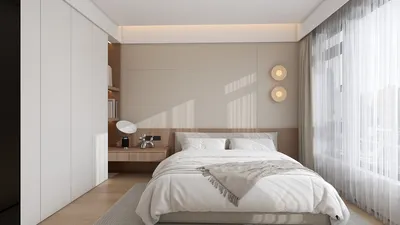


In my decade-long journey as an interior designer, I’ve observed the Magnolia Homes aesthetic—popularized by Chip and Joanna Gaines—transforming into a perennial favorite for homeowners. This year, we continue to see natural textures, earthy color schemes, and meticulous details emerge as dominant trends. Personally, I’ve always found small living rooms to be my creative playground; they challenge us to innovate rather than merely think on a grand scale. In this article, I will share ten living room inspirations inspired by Magnolia Homes that you can adopt for your own space, combining my insights with professional design statistics and real-life examples.
1. Neutral Base with Layered Textures
My Experience: I once designed a compact bungalow where we centered the living room concept around a creamy neutral palette, layering cotton throws, jute rugs, and linen cushions. This approach immediately infused the space with warmth while maintaining an airy feel.
Advantages: A neutral foundation fosters visual cohesion, which is particularly critical in smaller areas. It also enables you to update seasonal accents effortlessly without needing a complete redesign.
Disadvantages: The space can appear bland if texture variations aren’t introduced; I personally learned this when a project initially looked washed out until we incorporated woven baskets.
Suggestion: Mix coarse weaves with soft textiles to achieve depth. In one instance, we drew inspiration from Magnolia’s signature cozy layering techniques.
2. Exposed Wooden Beams
My Experience: During a renovation in the countryside, we preserved the original oak beams and treated them with a matte finish. This instantly imparted that rustic-farmhouse allure without overwhelming the compact living area.
Advantages: They add architectural charm and complement both light and dark wall colors beautifully.
Disadvantages: Not advisable for rooms with low ceilings, as they may create a more confined appearance.
3. White Shiplap Walls
My Experience: I’ve applied shiplap in various living rooms, and it never fails to evoke that distinct Magnolia charm. It enhances light reflection, making spaces feel larger.
Advantages: It brightens interiors and harmonizes with nearly any decor style. As noted by Architectural Digest, vertical or horizontal white planks can visually expand small rooms.
Disadvantages: Requires frequent dusting, particularly in the grooves of the planks.
4. Slipcovered Sofas
My Experience: A washable white slipcovered sofa was a lifesaver for a family with children and a Labrador. It maintained the cozy look reminiscent of Magnolia while being practical for everyday messes.
Advantages: They are simple to clean and can be updated seasonally by changing slipcovers.
Disadvantages: Lighter shades will still show stains if not cleaned promptly.
5. Large Statement Clocks
My Experience: I discovered a vintage 36-inch clock for a loft, and it became the centerpiece without crowding the wall space.
Advantages: It adds character and draws the eye upward, enhancing the perception of height.
Disadvantages: If not carefully scaled, it can overwhelm a small wall.
6. Vintage Rugs
My Experience: In a petite downtown apartment, a muted Persian rug greatly enriched the neutral space.
Advantages: It offers subtle patterns and color variations that align beautifully with the Magnolia layered aesthetic.
Disadvantages: Authentic vintage rugs can be pricey; however, good replicas are budget-friendlier options.
Example: Pairing them with linen curtains can create a stunning contrast, similar to what we did in a historic loft styling project.
7. Open Shelving with Curated Decor
My Experience: In a remodeling project, we swapped hefty cabinets for two oak shelves styled with unique thrifted vases and potted plants—visually much lighter.
Advantages: It avoids visual bulk and showcases personality through curated objects.
Disadvantages: Regular maintenance is required; dust can make the decor appear worn.
8. Black Metal Lighting Fixtures
My Experience: I adore how matte black pendants or sconces blend rustic charm with modern style. They beautifully outline the space without being overpowering.
Advantages: They provide contrast in a neutral room and work well with Edison or warm LED bulbs.
Disadvantages: Inexpensive finishes may flake over time, reinforcing the principle that quality matters.
9. Mixed Material Coffee Tables
My Experience: By combining reclaimed wood tops with metal legs, you can achieve a look that merges Magnolia farmhouse style with industrial design.
Advantages: These tables are robust and help ground the atmosphere without feeling too heavy.
Disadvantages: Sharp metal edges may pose safety issues for kids.
Suggestion: Incorporating round edges or opting for a fabric ottoman can yield softer, safer lines, as seen in a recent open-plan living/dining renovation.
10. Layered Greenery
My Experience: I vividly recall a project where we introduced varying plant heights in one corner—it transformed the room’s ambiance entirely.
Advantages: It brings vibrancy, texture, and color with minimal expense, with health benefits supported by NASA’s Indoor Plant Study.
Disadvantages: They need regular care; while artificial plants are an option, they lack air-purifying properties.
Conclusion
Small living rooms don’t limit design options—Magnolia Homes style exemplifies that intelligent and soulful aesthetics can thrive even in compact spaces. As Chip and Joanna Gaines emphasize, your home should narrate your story. Which of these ten strategies would you like to implement in your own living area?
FAQ
1. What characterizes the Magnolia Homes living room style?
It’s a blend of rustic warmth, vintage pieces, neutral hues, and layered textures, as popularized by Chip and Joanna Gaines.
2. Can Magnolia style be adapted to small living rooms?
Definitely. Neutral foundations, vertical features, and multifunctional furniture make it perfect for cozy spaces.
3. How can I achieve a Magnolia-inspired aesthetic on a budget?
Utilize slipcovers, thrift store finds, and DIY shiplap to capture the look without overspending.
4. Are shiplap walls still trendy?
Absolutely. They continue to be a key element in farmhouse-inspired designs, according to Better Homes & Gardens.
5. What color schemes work best for spaces inspired by Magnolia?
Warm whites, gentle grays, soft blues, and natural wood tones.
6. Is real wood required for the beam effect?
Not necessarily, faux beams can replicate the look at a lower cost and are easier to manage.
7. How can I maintain an airy feel without sacrificing warmth?
Achieve balance by letting in natural light while layering textiles and utilizing soft, warm lighting.
8. Is it possible to combine Magnolia style with modern design?
Certainly. Blending clean-lined furnishings with rustic textures can create a well-rounded contemporary farmhouse vibe.
Homestyler is an incredible online home design platform perfect for anyone looking to transform their space. With its user-friendly design tool, stunning 3D renderings, and a wealth of DIY video tutorials, you can easily create and visualize your dream home effortlessly!
Design Now for FREE
































