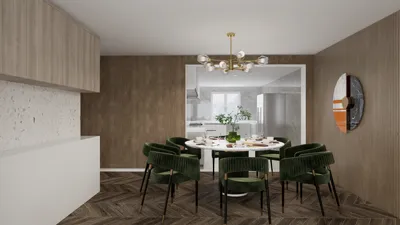


One time, a CEO requested the installation of a private waterfall in the reception area, claiming it would create a calming atmosphere during Zoom meetings. I found it amusing yet insightful, realizing that taking bold steps often outshines cautious choices. Limited spaces spark inventive ideas: a singular sculptural element can convey luxury if the surrounding design is thoughtfully curated. To ground my concepts, I typically explore office layout ideas first, assessing visibility and movement before investing in premium materials like marble or brass.
1. Create a Sculptural Reception
I enjoy crafting reception areas that resemble art installations: think a large illuminated wall piece, a sleek stone desk, or an eye-catching seating arrangement. The benefit is an instant boost in prestige and an opportunity to showcase your brand, but it’s essential to consider the higher costs and the need for durable, easy-care materials. Opt for finishes that age gracefully rather than those requiring constant maintenance.
save pin
2. Incorporate High-Quality Materials
Combining warm timber, plush leather, muted metals, and textured fabrics adds depth without overwhelming the space. In my designs, I often balance high-end materials like large stone slabs with smart detailing — for instance, walnut veneer with brass accents can offer a more luxurious feel than a complete marble slab while being cost-effective. Expect compromises: initial expenses may rise, but the durability and minimized need for renovations justify the investment over time.
save pin
3. Focus on Lighting and Acoustics
Optimal lighting and sound management transform luxury from a cold experience to one of comfort. I consistently develop 3D render previews to perfect the placement of lighting fixtures, ensuring warmth and glare are well managed before making any purchases. Acoustic panels that are cleverly integrated into the design or ceilings that absorb sound can be excellent investments, significantly enhancing perceived quality and concentration.
save pin
4. Design Versatile Private Spaces
Offices featuring operable glass walls and mobile storage solutions allow for a fusion of drama and privacy; I’ve even utilized switchable glass for rooms requiring confidentiality during board meetings. The benefits include adaptability and a premium appearance, but be mindful of the complexities related to wiring and HVAC compatibility — it's vital to include these in your budget from the outset.
save pin
5. Seamlessly Integrate Smart Technology
The goal is to incorporate technology into the design without it being obtrusive: built-in charging ports, hands-free controls, and ambient sensors help maintain an effortless ambiance. I often evaluate AI-based layout options during the early planning stages to optimize traffic flow and natural light exposure, resulting in cost savings by minimizing revisions. While integrating smart solutions can increase complexity, when executed properly, it embodies modern luxury.
save pin
FAQ
Q1: What budget should I anticipate for a luxury office redesign?
A: Luxury design can vary significantly; expect to invest 2–5 times more than a standard fit-out, depending on your selection of materials and custom features. Begin with a prioritized spending list to focus on what truly matters.
Q2: Are premium materials a worthwhile investment over time?
A: Certainly, high-quality materials typically have a longer lifespan than their cheaper counterparts, requiring less frequent replacement and ultimately lowering overall lifecycle costs despite a higher initial investment.
Q3: How can I preserve openness while ensuring privacy?
A: Implementing layered solutions such as glass panels with blinds, movable partitions, and soundproofing barriers provides connectivity while allowing for private moments when necessary.
Q4: What are the ideal lighting levels for executive offices?
A: Aim for layered lighting systems — incorporating ambient, task, and accent lighting — with adjustability for color temperatures to accommodate various activities and times of day.
Q5: How critical is ergonomics in luxury office design?
A: It's of utmost importance; a luxurious design must ensure health and productivity by providing adjustable seating, proper desk heights, and monitor arms.
Q6: Can 3D renders be beneficial in reducing renovation costs?
A: Absolutely — using mockups and 3D visualizations can identify visual and spatial concerns early on, preventing expensive adjustments on-site and aligning expectations among stakeholders.
Q7: Are there recognized standards for office furniture safety and quality?
A: Yes — organizations such as BIFMA set industry standards for performance and safety; always check with BIFMA when selecting certified furniture.
Q8: What should I look for when choosing a designer for a luxury office project?
A: Seek a designer with experience in high-quality materials, a solid project portfolio, and clear communication regarding timelines and costs. Always request references and phased budgets before making a decision.
save pin
Looking to transform your home? Homestyler is your go-to online design platform! With its easy-to-use design tool, stunning 3D renderings, a plethora of design projects, and helpful DIY video tutorials, you can effortlessly create your dream space, no experience needed!
Zaprojektuj teraz za darmo
































