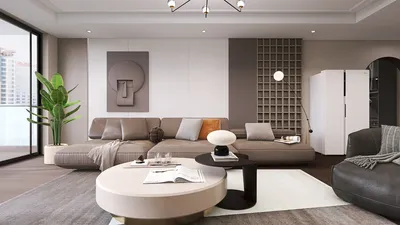


I have crafted several low picnic tables suitable for compact balconies, tiny backyards, and cozy indoor spaces. The ideal design features a floor-level surface, creating a relaxed and approachable atmosphere for meals, laptop work, and board games—while ensuring the space remains uncluttered. A recommended height for the table is between 11 and 14 inches, providing a comfortable ergonomic angle for the knees and hips, especially when seated on the floor.
To enhance comfort, I follow the WELL v2 standards for varied postures and reachability, keeping the surface depth anywhere from 20 to 28 inches to ensure that dishes and communal platters are easily accessible. For optimal lighting, a surface reflectance of 0.5 to 0.7 minimizes glare; according to the Illuminating Engineering Society (IES), dining tasks are adequately illuminated within 100 to 300 lux for comfortable visibility. If incorporating candles or decorative string lights, aim for warm color temperatures around 2700 to 3000K to create a soothing ambiance.
Design Goals: Compact, Stable, and Comfortable
In small spaces, it's essential to maintain tight dimensions and straightforward joinery. I suggest a tabletop size of 36 to 48 inches in length and 20 to 26 inches in width, accommodating two to four individuals comfortably. Keeping the spans of the legs or trestle short prevents wobbling. Rounded edges (5 to 8 mm radius) enhance comfort and help avoid unfortunate bumps. A matte finish on the top reduces glare and the appearance of fingerprints.
Layout Planning for Tight Spaces
In a narrow room, position the table along the long wall, allowing a clear path of 24 to 30 inches on one side for easy movement. In studio apartments, check sightlines from the sofa to ensure views and natural light aren't obstructed. To visualize your arrangement and validate clearances, utilize a layout simulation tool such as Homestyler. Ensure rugs extend 4 to 6 inches beyond the table edges to prevent cushions from slipping off.
Materials: Durable, Easy to Clean, and Eco-Friendly
For the tabletop, I prefer 3/4 inch (19 mm) solid wood or high-quality plywood with an edge band. Woods like oak, ash, and maple provide strength; bamboo is an excellent renewable choice with impressive hardness. If the table is to be used outdoors, thermally modified wood performs exceptionally well in humid conditions. For finishes, waterborne polyurethane or hardwax oil offers a low-VOC solution that is easy to maintain. Ensure that hardware is either zinc-plated or stainless steel for use on balconies.
Structure Options: Trestle, Box Frame, and Folding
Trestle bases effectively distribute loads and keep knee space open. A box frame with corner blocking is extremely stable and simple for beginners to construct. Folding legs maximize storage options; select locking hinges rated for loads exceeding your table’s weight and include secondary braces to mitigate wobbling. To accommodate cushions, be mindful of leg positioning to avoid interference with natural seating areas, typically located along the long edges.
Ergonomics and Human Factors
Floor seating is enhanced by utilizing cushions that are 2 to 3 inches thick, made with medium-density foam. It's important to ensure that the tabletop is at or just below elbow height when seated on these cushions to minimize the need for shoulder elevation. If the table will be used for tasks such as typing, consider a slight bevel or 3 to 5 degree tilt at the top edge for wrist comfort. Additionally, a soft rug underneath promotes acoustic absorption, reducing noise from clattering dinnerware and conversation echoes in hard-floored areas.
Color Psychology and Finish Strategy
Utilizing warm neutral colors such as muted oak, beige, and terracotta encourages social warmth, while cooler hues like sage or slate help calm visual distractions in compact areas. For darker spaces, opt for lighter finishes to enhance the sense of brightness; insights from Verywell Mind on color psychology explain that warm colors create inviting environments, whereas cool shades can elicit tranquility. Combining matte finishes with warm lighting (2700 to 3000K) helps soften shadows and enhances skin tones.
Cut List and Dimensions (2–4 Seat Model)
Top: 40 x 22 x 3/4 in (1016 x 559 x 19 mm). Long rails: 36 x 3 x 3/4 in (914 x 76 x 19 mm). Short rails: 18 x 3 x 3/4 in (457 x 76 x 19 mm). Legs (trestle): 12–13 in height, with a section of 1.5 x 2 in (38 x 51 mm). Four corner blocks measuring 3 x 3 x 3/4 in each. These dimensions ensure comfort for users in floor seating while maintaining the overall stability of the table.
Tools and Hardware
Essential tools include: circular saw or handsaw, drill/driver, square, measuring tape, clamps, sandpaper (120/180/240 grit), wood glue, and either 1-1/4 in pocket screws or wood screws. Optional items include a pocket hole jig, round-over bit, countersink, folding leg hinges, and finish brushes. Always pre-drill to prevent splitting wood near edges.
Step-by-Step Build
Start by cutting and sanding the tabletop; then, round the edges to 5–8 mm. Test any stain on scrap material. Apply two or three coats of waterborne polyurethane or hardwax oil, lightly sanding between coats to achieve a matte finish.
Construct the rails into a rectangular structure beneath the tabletop. Secure corner blocks to prevent racking. Attach trestle legs or a low box frame, verifying that the final tabletop height measures 11–14 inches from the ground.
Incorporate figure-eight fasteners or slotted holes to accommodate seasonal wood expansion. Check the square across the diagonals; add shims as needed to remove any wobbling.
Apply felt pads to the bottom of the feet to protect the flooring. For outdoor settings, seal the end grain thoroughly and consider an aluminum angle brace underneath for additional strength.
Lighting and Acoustic Comfort
To facilitate dining and games, ensure ambient lighting reaches around 100 to 300 lux, and include a low-glare task lamp if reading is part of the activity. Place light fixtures out of direct sight lines to minimize glare discomfort. A dense rug along with soft cushions helps absorb mid-to-high frequencies, reducing reverberation and facilitating conversation in confined spaces.
Safety and Maintenance
Employ rounded edges and stable leg formations to mitigate risks of tripping or impact. Clean up spills promptly and annually recoat oil finishes in high-traffic areas. For outdoor tables, wash with mild soap and prevent standing water. Inspect hardware regularly to ensure it is secure.
Style Add-Ons
Consider inlaying a slender contrasting wood strip to create visual interest. Add removable tray rails for elevated tea service. Pair with floor cushions in harmonious colors to influence the ambiance; warmer tones inspire conviviality, whereas cooler colors promote serenity.
FAQ
Aim for a height of 11 to 14 inches from the ground to the tabletop. This supports a neutral shoulder posture and a comfortable knee angle when using cushions that are 2 to 3 inches thick.
For accommodating two to four individuals, a tabletop size of 36 to 48 inches in length and 20 to 26 inches in width preserves necessary circulation space in tight areas while ensuring comfort for reaching items.
Solid options include maple, ash, and oak, which are readily available. Bamboo serves as a sustainable alternative with beneficial hardness. For humid environments, consider using thermally modified wood.
Utilizing a matte finish paired with ambient lighting of around 100 to 300 lux facilitates comfortable dining experiences, adhering to typical IES recommendations, while selecting 2700 to 3000K warm lamps enhances the atmosphere.
Definitely. Utilize locking folding hinges that exceed the table’s weight limits and add cross-bracing or corner blocks to ensure stability.
Opt for medium-density foam ranging from 2 to 3 inches thick and ensure that cushions are removable. Confirm that cushion height aligns with elbow level in relation to the tabletop for enhanced comfort.
Thoroughly seal the end grain, select finishes rated for exterior use, employ stainless or zinc-plated hardware, and attach felt or rubber feet to prevent moisture absorption.
Using a round-over of 5 to 8 mm softens edges and decreases the risk of shin injuries. This also enhances the durability of the finish around the edges.
Mark your floor with tape to visualize space and confirm a 24 to 30-inch clear path. For straightforward visualizations, consider exploring an interior layout planner like Homestyler.
Warm palettes tend to elicit feelings of welcome and sociability, whereas cooler palettes help to ease the environment. Insight from Verywell Mind on color psychology elaborates on these effects.
Looking to transform your home? Homestyler is your go-to online design platform! With its user-friendly design tool, stunning 3D renderings, and a wealth of inspiring design projects and video tutorials, you can effortlessly create the home of your dreams—no design experience needed!
تصميم الآن مجانا
































