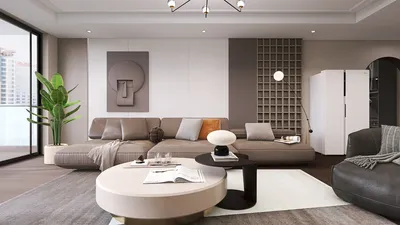


I once almost compromised a client relationship by positioning a painting too high above the sofa — a novice error that refocused my attention on measuring accurately and considering eye level. While I was adjusting quickly to fix the situation, I sketched a layout guide that illustrated how pieces interact within a space, which the client adored.
1. Gallery wall using various frame styles
I have a deep appreciation for a gallery wall as it narrates a story; combining prints, photographs, and small canvases can create a beautifully curated atmosphere. It is a cost-effective option if you collect thrifted frames and paint them with a single color or use uniform mat sizes, although laying out your design on the floor first can feel reminiscent of playing Tetris.
save pin
2. One large painting as a focal point
A sizable painting instantly shapes a living room and simplifies decisions on decor. In my experience, using a single canvas sized between 48" and 60" over a long sofa has proven effective — it streamlines the styling process and dictates the color scheme for the entire area, although it requires a larger initial investment and a wall that can support such size.
save pin
3. Art shelf for dynamic displays
Displaying artwork on a narrow picture ledge encourages frequent updates, making it ideal for renters or those who enjoy changing their collection. I often organize a variety of vertical and horizontal pieces alongside small decorative items for added depth, and if you're curious about how a design will look from the couch, consider using Homestyler for photo-realistic renderings before making a commitment.
save pin
4. Change small collections seasonally
Changing out small collections every few months keeps the space feeling lively and helps avoid hasty purchases that could clutter the area. This approach is both budget-friendly and enjoyable — I once featured summer florals and later transitioned to moody portraits for autumn, but it's important to have a simple storage method to prevent frames from stacking up in a closet.
save pin
5. Combine art with lighting and greenery
The right lighting can enhance the artwork significantly; an array of adjustable sconces or a slim picture light can elevate even the most affordable prints. Additionally, I enjoy pairing a painting with a tall plant to soften hard edges — if you're looking to explore ideas, using an AI moodboard tool like Homestyler can quickly generate layouts and color harmonies.
save pin
Quick actionable tips
Position the center of your artwork approximately at eye level (around 57–60 inches from the floor) and maintain about 2–3 inches of space between frames in a collection to ensure visual harmony. For budget-conscious projects, consider prints and swapping mats — a new mat can refresh a piece with minimal expense.
save pin
FAQ
Q1: What size painting is suitable for my living room?
A: Opt for artwork that occupies about 60–75% of your furniture's width (like your sofa). Oversized pieces are excellent over lengthy sofas, while smaller combinations fit well on narrow walls.
Q2: What’s the optimal height for hanging living room art?
A: Aim for the centerpiece of your artwork to be approximately 57–60 inches from the floor — this is a standard used in galleries and appears well-proportioned in most residences.
Q3: Is it acceptable to mix different frame styles?
A: Absolutely. Combining frames introduces personality; maintain a cohesive look by using consistent matting or a uniform color scheme in the frames to prevent visual chaos.
Q4: How can I brighten up paintings without needing professional wiring?
A: Employ plug-in picture lights, adjustable floor lamps, or battery-operated LED strips. These options are straightforward to install and minimize potential wall damage.
Q5: Do prints hold the same impact as original pieces?
A: Quality prints can be incredibly effective, especially when framed thoughtfully and well-lit. They offer an affordable way to enjoy works from renowned artists or photographers.
Q6: What’s the best way to experiment with a layout before hanging art?
A: Cut kraft paper to match the sizes of your artworks and tape them to the wall to visualize different arrangements; many designers, including myself, also use digital tools like Homestyler to create layout mock-ups.
Q7: Any advice for decorating small living rooms?
A: Select one prominent piece instead of numerous smaller artworks to avoid overcrowding, and choose slim frames to maximize available space.
Q8: Where can I find standards for hanging heights and gallery conventions?
A: For clear guidance on standard gallery hanging heights and museum display practices, check resources from The Getty Museum, which covers display conventions and optimal viewing principles.
save pin
What began as an Autodesk innovation has evolved into a design platform used by more than 18 million people around the globe. Homestyler combines powerful rendering, an intuitive editor, and a vast furniture library to help you turn inspiration into photorealistic designs — whether you're redesigning a single room or planning an entire home.
Homestyler is your go-to online home design platform! With its user-friendly design tool, stunning 3D renderings, a wealth of inspiring design projects, and helpful DIY video tutorials, you'll effortlessly transform your space into a dream home. Start creating today!
Design Now for FREE
































