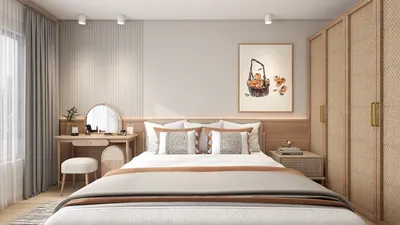


When it comes to illuminating your living space, achieving a harmonious blend of brightness and coziness is essential. You want enough light for activities like reading or entertaining without overwhelming the textures and details present in the room. LED ceiling panels serve as a foundational element in this lighting strategy; they provide a uniform, energy-efficient glow while allowing for stylistic accents and control options to enhance the overall ambiance.
The levels of light you aim for are crucial. For general areas within your home, I suggest maintaining an ambient light level of about 100–300 lux, with 500 lux specifically designated for task areas such as coffee tables and reading spots. These figures are in line with common practices in residential lighting and adhere to the differentiation of ambient and task lighting outlined by the Illuminating Engineering Society (IES). Furthermore, the WELL Building Standard underscores the need to reduce glare and ensure adequate illumination, which is a beneficial principle for home lighting. For further insights on visual comfort and glare management, resources such as IES and the WELL Building Standard are invaluable.
Another vital factor is color temperature. Utilizing warm to neutral whites (ranging from 2700K to 3500K) fosters a tranquil evening atmosphere, whereas a cooler temperature between 3500K and 4000K sharpens focus during the day. According to Verywell Mind's exploration of color psychology, warmer tones encourage relaxation while cooler shades boost alertness. This is particularly relevant when determining the color profile of your panels in spaces with heavy lounging versus multifunctional areas.
Create a Strategic Lighting Plan
For ambient lighting, LED panels should take center stage. I often incorporate wall washers to highlight artwork and textures, alongside floor lamps or adjustable sconces for reading, complemented by accent lights that add depth to the space. If your layout features several seating areas, it’s important to identify circulation paths and focal points prior to positioning the panels. A straightforward interior layout planner can assist in visualizing the lighting spread and minimizing shadows, similarly to how a room layout design tool can offer a preview of how lighting interacts with your furniture arrangement.
Select Appropriate LED Panel Specifications
I prioritize panels that boast a CRI (Color Rendering Index) of 90 or higher to ensure accurate representation of fabrics and woods. A UGR (Unified Glare Rating) of below 19 is desirable to mitigate glare in living rooms, particularly when ceiling heights are lower. For medium-sized rooms, aim for a consistent lumen output of around 2,000–4,000 lumens per panel, adjusting the dimming according to preference. Edge-lit panels generally provide softer, more uniform illumination, whereas back-lit panels deliver a more pronounced lighting effect but require careful diffusion. Pairing these panels with dimmable drivers and high-st quality dimmers can help eliminate flickering at lower settings.
Consider Ceiling Height, Layout, and Ratios
The height of your ceilings will dictate your choice in panel sizes and their spacing. For ceilings between 8 to 9 feet high, 2x2 foot panels or sleek rectangular modules are effective, spaced approximately 6 to 8 feet apart, based on the lumen output and beam spread you desire. Taller ceilings can accommodate large panels or a combination of panels and pendants to create a sense of intimacy. For visual consistency, align the panels with your furniture layout—for example, centering them over seating areas or along the coffee table axis to achieve an organized look.
Develop Control Strategies and Lighting Scenes
I often design three key lighting scenes: 1) Everyday lighting (ambient set around 40–60%), 2) Reading/Tasks (ambient increased to about 70% along with a targeted lamp), and 3) Entertaining (ambient lowered to 30–40% with accent lighting dominating). Smart dimmers can easily store these settings as presets. If you prefer softer lighting at night, you can set a warm scene near 2700K with reduced intensity to align with circadian principles endorsed by WELL standards, subtly improving your evening routine.
Understanding Color Psychology and Material Compatibility
Warm white tones enhance natural materials like oak and linen, while neutral whites work well with cooler palettes such as concrete and dark metals. I prefer to avoid dramatic variability in color temperatures within a single line of sight, as this can fragment the room's cohesiveness. If your overall scheme leans towards serenity, sticking within the range of 2700–3000K and incorporating dimmable accent lights is wise. For a gallery-style ambiance, opting for 3500K with high-CRI accent lighting effectively highlights art while preserving skin tone accuracy.
Control Glare and Enhance Visual Comfort
The details of trim and lens quality are important; I recommend selecting microprismatic diffusers to soften brightness and lessen visual discomfort. It's also advisable to keep panels out of direct sightlines, especially when seated. I position the panels slightly away from the back of sofas to prevent direct glare. Matte finishes on nearby surfaces help minimize secondary reflections, while uplighting from shelves or cove lighting introduces gentle brightness without harsh hotspots.
Acoustic and Spatial Considerations
Bright panels against hard ceilings can create a lively acoustic environment. If echoes are noticeable, introducing rugs, upholstered furniture, and acoustic wall treatments can help to absorb sound. Thoughtful lighting can enhance spatial awareness—brighter lights near entrances for orientation, softer illumination in seating areas to facilitate conversation, and an intermediate brightness level near the TV to alleviate eye discomfort during viewing.
Manage Cabling, Drivers, and Maintenance
It's essential to conceal drivers in accessible locations for routine maintenance. Selecting panels that feature stable thermal management and high L80/L90 ratings assures longevity. Warm-dimming options, transitioning from 2700K to 2200K as you dim the lights, provide a cozy, evening atmosphere that is ideal for living rooms where ambiance is key.
Commit to Sustainability and Efficient Energy Use
LED panels significantly lower energy consumption compared to older lighting solutions, particularly when properly sized for lumen output and equipped with dimming features. Opt for products with replaceable drivers and recyclable materials. If your space benefits from natural light, consider integrating a sensor or simply maintaining lower levels during daytime hours, as your eyes will adapt while conserving energy and preserving contrast.
Tailor Layout Suggestions for Varied Room Types
For compact spaces, implement one main panel supplemented by two accent lamps to prevent excessive lighting. In medium-sized rooms, arrange a grid of two to four panels in alignment with seating and introduce a reading lamp. In larger areas, combine panels with pendant lights over focal points like coffee tables to anchor the space, as well as wall washers to illuminate art pieces. Using a room design visualization tool, such as Homestyler, can assist you in assessing shadow placements before finalizing your setup.
Frequently Asked Questions (FAQ)
What light levels are recommended for a living space? I aim for an ambient light level of 100–300 lux, with about 500 lux for task areas. Panels serve as the primary source, while dimmers and task lamps fine-tune the experience.
What color temperature is ideal for different times of day? For warm, cozy evenings, I recommend using 2700–3000K, while 3500–4000K works well for a crisper atmosphere during the day. Consistency is crucial to avoid visual chaos.
Do you recommend high CRI panels? Absolutely. A CRI of 90+ accurately portrays the details of wood grains, fabrics, and skin tones. Lower CRI levels can lead to a flat or desaturated appearance in rooms.
How do you minimize glare from LED panels? I suggest utilizing microprismatic diffusers, targeting a UGR below 19, and ensuring panels are not positioned directly in sightlines from seating areas. Balance this with layered lighting strategies.
How should I set lighting scenes for different times? Utilize warmer scenes in the evening and neutral tones during the day. Dimming can help reduce brightness that might disrupt pre-sleep relaxation, aligning with WELL's light timing guidance.
What spacing should I use for panels in an 8–9 ft ceiling? I recommend spacing 2x2 panels approximately 6 to 8 feet apart, adjusting based on lumen output and room width. Align with furniture for a unified appearance.
What are the advantages of edge-lit versus back-lit panels? Edge-lit panels provide a softer, more uniform light ideal for limited profiles, while back-lit options deliver stronger illumination but require careful light diffusion. Choose based on ceiling height and desired light intensity.
What lighting elements work best for specific tasks? Use wall washers to highlight textures, a reading lamp for detailed tasks, and accent lights for artwork. Establish scenes where accent lighting sets the mood while panels provide a gentle fill to the atmosphere.
Does the lighting affect the room's acoustics? Yes, a combination of smooth ceilings and bright light creates a lively atmosphere. Incorporate softer finishes to absorb sound and enhance overall comfort within the space.
Are preset lighting scenes helpful? Yes. They simplify daily use, and gradual dimming minimizes flickering. Keeping controls easily accessible enhances the user experience.



Discover Homestyler, your go-to online platform for home design! With its user-friendly design tool, stunning 3D renderings, and an abundance of DIY video tutorials, you can effortlessly create and visualize your dream space, no matter your skill level. Explore your creativity today!
Desain sekarang Gratis
































