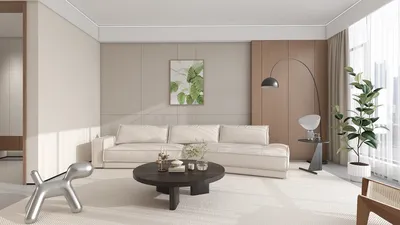


A pooja room deserves illumination that embodies both reverence and functionality. I create sacred spaces with layered lighting—soft ambient brightness, specific task illumination for rituals, and subtle accents that enhance textures and icons—ensuring that the room facilitates quiet contemplation without distractions or glare. Thoughtful lighting selections can significantly enhance the experience of devotion and reflection.
Research consistently highlights the impact of light quality on mood and performance. The WELL Building Standard recommends controlling glare, color rendering, and circadian support to enhance well-being, focusing on a balance between visual clarity and comfort (refer to WELL v2 Light concept). Studies by Steelcase connect environmental control—particularly light and sound—to improved engagement and reduced stress. These concepts apply effortlessly to a pooja room: when light ratios are soft and adjustable, focus deepens, and rituals feel more unhurried. For organizing layouts and visualizing fixtures around altars or shelves, using a simple interior layout planner like Homestyler can assist in aligning sightlines and wall washes with icon positioning.
The Illuminating Engineering Society offers recommended illuminance levels that inform residential tasks. For intricate activities—such as reading scripts, placing offerings, and arranging flowers—aim for task illuminance around 300–500 lux while keeping ambient lighting levels between 150–250 lux to prevent eye strain. Complementing these layers with a warm color temperature (2700–3000K) encourages tranquility and minimizes the dominance of blue light, which can appear harsh during intimate rituals.
Key Principles for Pooja Room Wall Lighting
I prioritize the lighting plan based on three essential aspects: achieving visual clarity at the altar, creating a gentle ambient balance throughout the room, and ensuring a peaceful, glare-free experience for worshippers.
Start with a low-intensity, diffused wall wash that minimizes shadows. Use sleek wall sconces with frosted lenses or fabric-lined shades to maintain a soft luminosity and avoid harsh contrasts behind idols. Position sconces slightly above eye level (about 155–165 cm from the floor, adjusted to individual height) to prevent bright spots from being in direct sight. In smaller spaces, symmetrical sconces can help maintain visual harmony and calm rhythms along the wall.
Incorporate a precise task layer for reading, lighting lamps, or arranging offerings. I prefer small, shielded wall-mounted fixtures with tilting capability or micro-adjustable picture lights that focus the beam exclusively where needed. Keep task light levels within the 300–500 lux range and ensure a gentle luminance gradient to avoid stark transitions when looking towards the icon. A high color rendering index (CRI 90+) retains the natural reds of kumkum, the sheen of brass, and the vibrancy of flowers.
Accent lighting must highlight the icon without overwhelming it. Use narrow beam angles (15–25°) from a slightly off-angle position to reveal shape while maintaining depth. If the background is made of carved wood or stone, employing a grazing technique from 20–30 cm off the surface can enhance texture without creating hotspots. The ratio of accent to ambient light should be around 3:1; exceeding this may lead to harsh glare, which can disrupt the atmosphere.
Color Temperature, Psychology, and Material Choices
Warm lighting fosters a contemplative environment. Insights from Verywell Mind on color psychology suggest that warm hues often evoke feelings of comfort and calm, making them suitable for sacred spaces with 2700–3000K sources. Combine this with materials that diffuse light nicely: options like matte plaster, eggshell paint, woven textiles, or finely brushed brass softly reflect light, avoiding intense glare. I tend to avoid highly polished marble near eye level; while it is visually appealing, it can create reflective glare that strains the eyes.
Glare Control and Human Factors
Glare can impede devotion. Protect light sources with deep-set trims, frosted diffusers, or louvered baffles. Ensure peak brightness does not interfere with the principal sightline; place fixtures laterally rather than directly behind the icon. Consider the worship posture; if seated, install sconces lower and angle the beams appropriately, while for standing positions, maintain a consistent eye-level datum. For shared household use, dimmers facilitate smooth transitions from morning rituals to evening meditation without overwhelming light.
Acoustics and the Subtle Role of Light
Quietness complements warm light. Utilizing soft materials—like textiles, cork, and wood slats—soaks up reverberations, allowing chants or mantras to resonate naturally. Studies by Steelcase demonstrate the link between sound control and cognitive focus; I observe similar effects in pooja rooms. When acoustic environments are gentle, lower light levels feel adequate, and the threshold between ambient and task lighting can decrease by 10–15% without compromising clarity.
Safety, Heat, and Candle Integration
If diyas or incense are integral to the ritual, select fixtures that manage heat effectively. LED wall lights are ideal due to their low heat output, high efficiency, and consistent color. Ensure that flammable shades are not too close to open flames, and ensure that wiring remains clear of oil lamps. For the use of incense, opt for sealed or easily cleanable diffusers; amber lenses can accumulate residue and should be cleaned weekly.
Fixture Types I Trust in Sacred Spaces
- Diffuse wall sconces with opal glass provide a broad, gentle glow for balanced ambiance.
- Picture lights designed to minimize glare offer focused illumination for tasks as well as highlighting icons without spill.
- Linear wall grazers with low output subtly accentuate grains or relief patterns.
- Recessed micro-downlights equipped with snoots create minimal visual noise while targeting beams precisely.
- Dimmable LED modules (CRI 90+, 2700–3000K) ensure reliable color authenticity for ritual items.
Placement and Proportion
Spacing sconces 1.8–2.4 m apart is ideal for compact rooms; within narrow niches, a single centered sconce with an additional task light is often sufficient. Maintain calming proportions by aligning fixture heights with shelf lines or icon bases to reinforce spatial rhythm. When considering layouts or testing placements around existing cabinetry or mandir frames, a layout simulation tool like Homestyler can effectively visualize beam coverage and shadow areas before installation.
Controls and Ritual Rhythm
Implement layered dimming to differentiate ambient, task, and accent lighting channels. Simple preset scenes—such as Morning (ambient 60%, task 70%, accent 40%) and Evening (ambient 30%, task 40%, accent 50%)—honor the daily rhythms. If the space serves dual purposes as a reading nook, include a higher-output task setting while respecting glare thresholds.
Maintenance and Longevity
Select fixtures with easily accessible lenses and standard drivers. Regular dusting maintains output and color performance; oils from diyas can dull lenses over time. Annual inspections on dimmers and drivers are essential for avoiding flicker, which can be particularly disruptive in contemplative environments.
Authority References
I ensure that the lighting in sacred spaces aligns with the WELL v2 Light guidelines concerning glare, color, and visual acuity: WELL v2. Additionally, IES illuminance ranges guide the establishment of ambient and task levels, maintaining a pooja room that is both serene and practical.
FAQ
Q1: What illuminance should I aim for in a pooja room?
A1: Target ambient lighting of 150–250 lux and 300–500 lux for tasks at the work area. These targets align with IES recommendations for residential functions, enhancing visual comfort during rituals.
Q2: Which color temperature is the most calming?
A2: Warm LED sources in the range of 2700–3000K foster a soft, meditative ambiance, preserving the genuine warmth of brass and wood while avoiding the cold feel of cooler lighting.
Q3: How can I prevent glare on the icon?
A3: Situate fixtures laterally, utilize narrow beams (15–25°) for accent lighting, and incorporate frosted diffusers or snoots. Keep peak brightness out of direct sightlines to maintain a tranquil atmosphere.
Q4: Is a high CRI significant?
A4: Definitely. A CRI of 90+ ensures accurate color representation for flowers, fabrics, and metals, enhancing the authenticity of offerings without excessive saturation.
Q5: Can I integrate candles or diyas with wall lights?
A5: Certainly—select cool-running LEDs, ensure that shades are positioned away from flames, and place electrical components away from oil. Dimming the electric lighting allows the gentle glow of the flame to stand out.
Q6: Which types of fixtures are most effective for small pooja niches?
A6: Generally, one diffuse sconce for ambient lighting and a micro picture light for task/accent purposes suffice. Maintain modest outputs and install them at near eye level for even coverage.
Q7: How do acoustics relate to lighting comfort?
A7: Softer acoustics decrease cognitive load, allowing lower light levels to feel adequate. Adding textiles or wooden panels can enable you to dim ambient lighting without losing focus.
Q8: Are smart controls necessary?
A8: While not mandatory, scene-based dimming can be beneficial. A few preset options—Morning, Evening, Reading—simplify transitions and keep lighting consistent with ritual schedules.
Q9: What about sustainability in lighting choices?
A9: Opt for energy-efficient LEDs, durable materials, and serviceable drivers. Longer lifespans minimize waste; dimming can further reduce energy consumption without affecting the ritual's ambiance.
Q10: How should I space wall sconces for optimal lighting?
A10: For small areas, spacing sconces 1.8–2.4 meters apart generally provides an even wash of light. Adjust this based on beam angles and wall textures; denser spacing may be necessary for deeper textures.



Homestyler is your go-to online home design platform! With its user-friendly design tool, stunning 3D renderings, and a wealth of DIY video tutorials, it empowers you to create and visualize your dream spaces effortlessly. Transform your home with Homestyler today!
Diseño ahora GRATIS
































