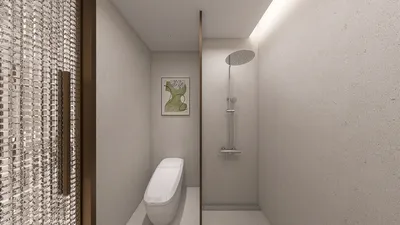


I once managed to persuade a coffee shop owner that adding a neon cactus would enhance their counter's visual appeal. However, I quickly discovered that the bright glare from the neon conflicted with the barista's careful latte art presentation. This experience instilled a crucial lesson: lighting significantly influences the ambiance and functionality of a commercial space. Often, minor tweaks can yield substantial results, and when working with limited budgets or challenging layouts, clever lighting strategies become an invaluable asset.
1. Multi-layered lighting for adaptable environments
I typically implement three types of lighting: ambient, task, and accent. In a retail setting, this involves overhead fixtures for ambient illumination, concentrated task lighting at checkout stations, and accent lamps to showcase products. This approach offers versatility—staff can shift the atmosphere without extensive rewiring; however, budgeting for multiple power circuits and switches can be a challenge. A useful tip is to utilize dimmable LEDs, which not only conserve energy but also facilitate smooth mood transitions.
save pin
2. Leverage color temperature to enhance brand identity and functionality
Warm light (2700–3000K) creates a welcoming feel in restaurants, while neutral to cool light (3500–4000K) projects a sharp, professional atmosphere in office spaces. Aligning the color temperature with brand personality reinforces identity, yet mismatched fixtures can lead to visual discord. For instance, I standardized all lighting in a boutique hotel to 3000K, resulting in rooms that felt more cohesive and inviting.
save pin
3. Use subtle accents to enhance navigation
Illuminating pathways and stairs enhances safety while guiding customers without the need for intrusive signs. Options like recessed toe-kicks, linear LEDs under railings, or small wall washers provide understated guidance. The benefits include improved traffic flow and fewer accidents; however, retrofitting existing structures may expose unforeseen architectural issues. I addressed that by opting for surface-mount solutions with slim profiles.
save pin
4. Implement integrated controls for energy efficiency and scene management
Using scene controllers and occupancy sensors can significantly reduce energy expenses, allowing staff to set the mood throughout the day—bright for the morning and more intimate for evenings. The advantages include quantifiable savings and ease of operation, while the learning curve involves programming and training personnel. For a coworking space, I configured presets for opening hours, events, and cleaning, which they greatly appreciated for its consistency.
save pin
5. Unique fixtures as expressions of brand identity
Occasionally, a custom pendant or artistic fixture can serve as a signature lighting element. Although this represents a significant upfront investment, such pieces can be highlighted in marketing photos and reused. The downside is that design trends may evolve, leading bespoke items to feel outdated. I mitigate this risk by selecting versatile materials and ensuring that each piece enhances the overall aesthetic.
save pin
Tips 1:
For effective layout planning and visualization, I frequently utilize tools that enable realistic 3D mockups of lighting designs. This aids clients in understanding how light interacts with surfaces; consider using a 3D floor planner for quick adjustments. When finalizing fixtures, always request photometric data to accurately predict glare and light levels.
save pin
FAQ
Q: What is the ideal color temperature to use in a retail environment?
A: A range between 3000–3500K is generally safe; it’s warm enough to complement skin tones and products, while still being neutral to represent true colors.
Q: How can effective lighting reduce commercial energy expenses?
A: Implementing LEDs, occupancy sensors, and programmable lighting scenes can collectively reduce lighting energy consumption by 40% or more.
Q: Are intelligent lighting controls a worthwhile investment?
A: Absolutely, especially for medium to large commercial establishments—they provide scheduling, scene settings, and usage analytics that lead to long-term savings and streamlined operations.
Q: How can I minimize glare in hospitality settings?
A: Opt for indirect lighting, shielded fixtures, and lower color temperatures; using dimmers and layered lighting can also enhance visual comfort.
Q: Does lighting influence employee productivity?
A: Definitely—adequate brightness and cooler color temperatures during work hours enhance alertness and overall performance. For supporting evidence, refer to studies by the Illuminating Engineering Society (IES).
Q: What maintenance should be scheduled for commercial lighting systems?
A: Consider lamp lifespan, accessibility of drivers, and cleaning needs; it’s wise to select modules that are easy to replace to minimize downtime.
Q: When should lighting be factored into a renovation project?
A: Integrate lighting considerations as early as possible—lighting affects the planning for ceilings, HVAC, and electrical systems, so it should be included during the schematic design phase.
Q: Where can I visualize lighting concepts in 3D before implementation?
A: Utilize realistic 3D floor planning tools to experiment with fixture placement and light distribution prior to installation.
save pin




Discover the world of home design with Homestyler! This user-friendly platform offers an exceptional online design tool, stunning 3D renderings, and a wealth of design projects and DIY video tutorials. Perfect for anyone looking to create their dream space effortlessly!
Design Now for FREE
































