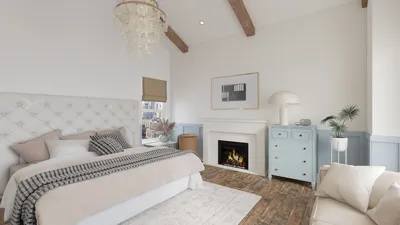


In the realm of interior design, light serves as more than just a functional necessity; it is a core component that influences the ambiance and sentiment of any environment. By treating light as the foundational design element, we enable ourselves to explore a multitude of options that can enhance both the aesthetic charm and utility of a space. Whether it’s natural sunlight flooding in from expansive windows or strategically placed artificial sources, the utilization of light can elevate a common area into a remarkable one. One vital aspect to ponder when incorporating light into design is the various types of lighting. Ambient lighting offers general illumination, while task lighting targets specific functions like reading corners or kitchen islands. In contrast, accent lighting is intended to draw attention to art pieces or architectural details. By skillfully blending these lighting types, designers can craft a layered effect that enhances depth and intrigue within a room. Natural light often ranks as the most sought-after option in interior spaces. It not only aids in lowering energy expenses but also fosters a feeling of wellness and a bond with nature. When conceptualizing a layout, it’s crucial to take into account the window arrangement to maximize natural light infusion. The strategic use of mirrors can also amplify light, creating the illusion of a larger and brighter area. On the other hand, artificial illumination provides increased versatility and room for innovation in design. Selecting the appropriate fixtures is essential, as they can serve dual roles as both decorative accents and functional light sources. Fixtures like pendant lights, chandeliers, and wall sconces can significantly enhance the overall essence of a room. Furthermore, dimmer switches can be added to modify light intensity, allowing for a shift in atmosphere throughout the day or for various occasions. Color is another critical factor in the way light is perceived within a space. Lighter shades generally reflect light, granting a room a more open and airy essence, while darker tones tend to absorb light, fostering a cozier atmosphere. When choosing paint colors or furniture, it’s essential to consider how they will interact with the existing light. Additionally, advancements in lighting technology have broadened the scope of design possibilities. Smart lighting solutions can be programmed to adjust according to the time of day or desired mood, offering a modern twist to interior design. These systems enable homeowners to easily tailor their lighting experiences, making them an exciting feature to delve into within any design initiative. Ultimately, light acts as a formidable asset in the field of interior design, meriting careful thought right from the beginning. By making light the initial cornerstone of the design process, designers can fashion areas that are not just practical but also warm and inspiring. Whether curating a cozy lounge or a stylish workspace, appropriate lighting selection can elevate your design effortlessly. Incorporating tools like Homestyler can further streamline this process, helping to visualize and implement lighting arrangements effectively.
Tips 1:
Evaluate the natural light sources present in your area and strategize ways to enhance their impact. This may include repositioning windows or opting for sheer drapes that allow light to permeate while still preserving privacy.
FAQ
Welcome to Homestyler


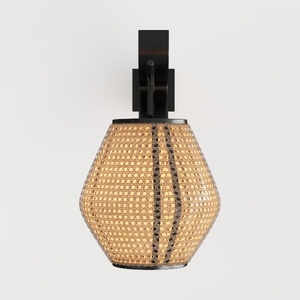
Homestyler is the ultimate online home design platform for anyone looking to create stunning spaces effortlessly. With its user-friendly design tool, breathtaking 3D renderings, and rich library of DIY video tutorials, you can turn your decorating dreams into reality—all from the comfort of your home!
Design jetzt kostenlos
































