

Lavender is a unique color that effectively softens a space without diminishing its overall presence. In expansive living areas where families and guests gather, the perfect lavender combination influences the ambiance, comfort, and flow of the room. According to color psychology studies, soft purples like lavender evoke feelings of calmness and contemplation, aiding in relaxation within a hall after a hectic day (as noted by Verywell Mind’s insight on color psychology). Additionally, the WELL Building Standard highlights the importance of managing glare, ensuring balanced lighting, and promoting visual comfort—conditions that allow soft shades like lavender to appear sophisticated rather than dull. The WELL v2 guidelines advocate for layered lighting techniques to minimize luminance contrast and uncomfortable glare, enhancing perceived brightness without causing fatigue.
Insights on productivity and well-being from workplace research translate effectively to multi-functional residential halls. Studies from Steelcase indicate that visual comfort and sound management are linked to improved concentration and reduced stress, which is essential in spaces used for reading, remote work, or family discussions. Similarly, Herman Miller reveals that the value of adaptable zones encourages a functional design—this concept is applied by using vivid accent coloring in active areas while employing a softer lavender palette in relaxation zones. These evidence-based strategies ensure that the overall color scheme remains both attractive and livable.
Foundation First: Choosing the Ideal Lavender Undertone
The selection process begins with identifying the undertone and Light Reflectance Value (LRV). A cooler, gray-lavender with a higher LRV provides an airy feel—ideal for spaces receiving limited natural light. Conversely, a red-violet lavender imparts warmth to north-facing rooms that may feel too cool. In sun-filled halls, opting for a mid-tone lavender helps prevent glare from overpowering the space, while a low-sheen finish can minimize unwanted reflections.
Pairing Lavender with Neutrals to Create Structure
- Lavender + Warm Greige: Utilizing greige for baseboards and door casings brings stability to the room, with lavender walls uplifting the overall aesthetic. This warm neutral helps to maintain a balanced palette, avoiding an overly cool tone. Employ a chalky off-white for ceilings to enhance the sense of height in the space.
- Lavender + Stone White: Modern halls benefit from pairing lavender with a mineral white on trims and built-ins. Strive for a 70/30 ratio, dedicating 70% to white elements (ceilings, storage) and 30% to lavender wall sections, ensuring that the purple color appears intentional rather than overpowering.
- Lavender + Charcoal: Adding a charcoal media wall or fireplace surround serves to accentuate the warmth of lavender. Be mindful of maintaining symmetry: coordinate the mass of charcoal on one wall with a contrasting charcoal rug border or lamp base to achieve balance.
Natural Materials: Woods and Stones that Harmonize with Lavender
- Oak and Ash: Lighter oaks and ash collaborate beautifully with lavender’s cool characteristics. Satin finishes help to keep the wood grain visible under ambient lighting. Avoid dark orange stains, as they clash with the hue.
- Walnut Accents: Featuring a slim walnut console or a framed art rail introduces a mature touch; the rich undertone balances the sweetness of lavender.
- Stone with Veining: A honed Carrara marble or light terrazzo flooring introduces a subtle pattern, with blue-gray veins that tie seamlessly with cooler lavender tones.
Accent Colors: Creating a Self-Assured Palette
- Sage and Eucalyptus: These colors serve as a delightful complement. Incorporating sage textiles or a low-sheen sideboard seamlessly blends with lavender, promoting a botanical and tranquil atmosphere.
- Ink Blue or Navy: Use these sparingly—consider throw pillows, a single armchair, or framed artwork. Navy adds depth and ensures the overall palette avoids feeling overly pastel.
- Burnished Brass: Opt for lamps, picture lights, or slender-framed mirrors in warm brass to act as a bridge between cool lavender and warmer wood tones.
Light Matters: Illuminating Lavender without Glare
Lavender appears most vibrant under a layered lighting system that controls glare and maintains a consistent color temperature. According to the Illuminating Engineering Society (IES), living areas should typically operate within a lighting range of 100–300 lux, complemented by additional task lighting. I recommend tuning LED lights to 2700–3000K for evening warmth and adjusting to 3000–3500K for daytime clarity, ensuring a high Color Rendering Index (CRI) of 90+ to preserve the true color of lavender. Utilizing diffuse wall washers or ceiling coves helps achieve an even glow of lavender; positioning downlights away from high-reflectance angles minimizes the occurrence of hotspots.
Layout and Zoning: Maximizing Lavender’s Appeal
In elongated halls that serve as living rooms, placing lavender on the longest walls mitigates the corridor effect, while anchoring the ends with deeper neutrals or built-in features. In open-plan living areas, lavender clearly defines the lounging space, while dining or work areas can utilize adjacent neutral tones or slightly desaturated greens. When assessing furniture layout and circulation, utilizing an interior layout planner assists in visualizing color balance against massing and sightlines. I encourage trying out room layout tools to simulate zones and wall finishes before finalizing decisions—consider digital planning tools for optimal results.
Textiles and Pattern: Achieving Softness without Being Overly Sweet
To complement lavender walls, incorporate textured neutrals such as bouclé, washed linen, or ribbed cotton in colors like oatmeal and stone. It’s beneficial to layer a single patterned element—perhaps a geometric rug featuring taupe, lavender, and charcoal shades—while keeping other patterns subdued. Sheer drapery in off-white helps diffuse natural light, ensuring lavender tones do not lean too blue under intense sunlight.
Acoustics and Comfort: Harmonizing Color and Sound
Hard surfaces can render a hall lacking warmth, regardless of color scheme. Achieving a soft-surface ratio of 30-40% (such as rugs, upholstered seating, and drapery) reduces echo and enhances the calming effect of lavender. Incorporating upholstered panels behind a media wall or creating a textile-wrapped art piece offers sound absorption without adding visual weight.
Small Hall, Big Impact: Effective Strategies
- Apply high-LRV lavender on two adjacent walls to draw light through the space. Keep the remaining surfaces white to prevent the feeling of constriction.
- Incorporate slender vertical elements—such as picture rails or tall shelving—in light wood to elevate the visual experience. Lavender recedes gently behind these features.
- Position mirrors with narrow brass frames to reflect light; place them opposite windows to maximize illumination without creating glare hotspots.
Finishes and Sheen: Perfecting the Surface
Using an eggshell finish on walls provides sufficient light reflection to keep lavender lively while avoiding noticeable roller marks. A matte finish on ceilings reduces glare, and satin is ideal for trims, offering durability alongside a sharp contrast against the soft hue.
2024–2025 Inspirations: Contemporary Elements
- Monochrome Layering: Implement three shades of lavender—from a light wall color to a deeper throw—to maintain depth while ensuring tranquility.
- Biophilic Pairing: Combine lavender with real plants; this gentle juxtaposition aids relaxation and visual recovery following screen time.
- Tech Integration: Conceal audiovisual equipment within lavender-painted recesses; maintaining color continuity helps reduce visual clutter.
FAQ
Q1: Which neutral tones work best with lavender for a hall?
A: Warm greige, stone white, and muted charcoal provide an excellent structure without overwhelming the lavender. Aim to maintain a dominant neutral (60-70%) with lavender filling 20-30% for balanced aesthetics.
Q2: What lighting temperature showcases lavender at its finest?
A: Target temperatures of 2700–3000K during the evening, increasing to a maximum of 3500K during daylight to preserve color accuracy. Layer ambient and task lighting while avoiding direct glare through diffusers or wall-mounted wash lights, consistent with the IES guidance for comfort.
Q3: How can I prevent lavender from appearing too pastel?
A: Introduce a grounding element—like charcoal, walnut, or navy accents—and keep surface sheen to a minimum. Often, one deep-toned focal piece (such as a media wall or substantial artwork) is adequate.
Q4: Is lavender suitable for a north-facing hall?
A: Certainly; select a warmer, red-violet lavender to balance cooler daylight. Incorporate warm metallic accents or use lighter 2700K lamps to maintain a harmonious atmosphere.
Q5: Will lavender clash with existing oak floors?
A: Light or neutral-finished oak pairs beautifully with lavender. If your oak has strong orange tones, counterbalance them with cool-toned rugs (taupe or gray) that lie between the flooring and walls.
Q6: What patterns complement lavender without overwhelming it?
A: Geometric designs in taupe or charcoal, subtle botanical prints in sage, or small-scale herringbone textures work effectively. Keep the palette cohesive and vary texture rather than color variety.
Q7: How can I effectively zone an open-plan hall using lavender?
A: Paint the lounge walls lavender while utilizing adjacent neutral tones (such as greige or stone) for dining or work areas. Conduct tests with a layout simulation tool to visualize proportions: consider options like a room layout planner.
Q8: What fabric colors are ideal for lavender sofas or chairs?
A: Opt for dusty mauve, mushroom, sage, or oatmeal fabrics. Consider navy pillows for contrast and introduce brass or blackened metal elements for structure.
Q9: How can I ensure consistent visual comfort throughout the day?
A: Implement dimmable, high-CRI LEDs alongside layered ambient and task illumination, utilizing matte finishes on large areas. Maintain moderate luminance ratios to prevent glare, aligning with WELL’s commitment to visual comfort for spaces designed with care, like those utilizing Homestyler's features.
Q10: Is lavender a good choice for a family hall with children and pets?
A: Absolutely. Select durable, washable paints in an eggshell finish and specify performance fabrics that are textured yet neutral, ensuring high-traffic areas are anchored with patterned rugs to manage wear and tear.
Q11: Which metals complement lavender best—should I use silver or gold?
A: Warm brass or light gold enhances sophistication. If you prefer cooler metals, ensure they are brushed (not shiny) to avoid stark reflections that might clash with lavender.
Q12: Can I fully embrace a monochrome scheme with lavender?
A: Yes—layer three variations: light lavender walls, medium textiles, and a richer accent (like a throw or artwork). Break the uniformity with natural wood elements to prevent a sugary appearance.

Modern Faux Leather Metal Leg Dining Chairs 3D Model

Enchanting Geometric Table in Purple, Custom Table
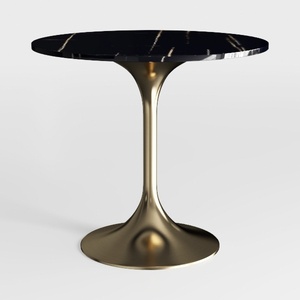
Modern Black Marble Top Gold Metal Side End Table 3D Model
Homestyler is your go-to online home design platform that empowers you to create stunning interiors effortlessly. With its user-friendly design tool, impressive 3D rendering, diverse design projects, and helpful DIY video tutorials, transforming your space is easier and more enjoyable than ever!
Concevez maintenant gratuitement
































