


For over ten years, I've deployed Kota stone in various settings including apartments, hospitality areas, and homes with significant foot traffic. This stone's robust limestone composition, cool hues, and subtle variations create a versatile choice that maintains an air of sophistication. When meticulously crafted—considering joint layouts, edge profiles, slip resistance, and lighting—the outcome embodies a sense of understated luxury along with exceptional durability.
Durability and comfort are critical in my selection process. Kota offers impressive compressive strength, typically between 70 and 100 MPa, and demonstrates low water absorption rates, making it an ideal choice for high-traffic areas like entryways and kitchens. Studies surrounding workplace and residential environments, including those referenced in WELL v2, highlight visual comfort and slip safety as vital elements for occupant health; the interplay of glare, correlated color temperature (CCT), and slip resistance significantly impacts well-being and mitigates accidents. Insights from Gensler's workplace research connect material clarity and sound management to perceived productivity and focus—these concepts seamlessly transition into home environments, where simpler patterns and soft finishes help alleviate visual tension and stress.
Grasping the Essence and Finishes of Kota
Kota stone is available in enchanting bluish-grey and brownish-green hues, featuring a fine grain that successfully conceals dust and scratches compared to polished marble. I typically rely on various finishes: honed (providing a low sheen and balanced slip), leathered (featuring a subtle texture and deeper color), shot-blasted (ideal for outdoor and wet environments due to its matte, grippy surface), and semi-polished (offering a refined yet practical appearance). For living spaces, a honed or leathered finish provides glare control, while shot-blasted or flamed textures enhance safety in bathrooms and terraces.
Strategize the Layout: Focus on Joints, Proportions, and Light
Effective layout is crucial for achieving elegance. My preference leans toward 600x600 mm or 600x900 mm tiles for living areas, 300x600 mm planks for corridors, and custom-length formats for stairs and thresholds. Ensuring tile joints align with door centers and cabinetry helps maintain a tidy appearance. When creating multiple furniture arrangements, employing a room layout tool can effectively visualize flow and circulation before finalizing your stone cuts.
Carefully evaluate lighting and gloss levels. The Illuminating Engineering Society (IES) advocates for balanced ambient lighting and well-managed luminance ratios to limit glare; when combining with stone, this entails utilizing matte finishes and positioning downlights appropriately to avoid reflection on glossy surfaces (check the IES standards at ies.org/standards). Aim for a correlated color temperature between 2700 and 3500K in living areas to warm Kota's cooler undertones, while task zones can reach up to 4000K for clarity without appearing overly clinical.
Living Spaces: Embracing Subtle Luxury through Texture and Tone
In living rooms, I often opt for significant modules of Kota with minimal grout lines of 1.5 to 2 mm, ensuring the grout matches the stone's color. A border in the same stone, preferably leathered to contrast with the honed main area, discreetly frames seating zones without the introduction of new materials. To enhance acoustic comfort, layering wool or jute rugs is effective, as the stone can reflect sound, with softer textiles helping to dampen reverberation. Pair Kota with walnut, smoked oak, or matte black metals; its cool tones harmonize beautifully with warm wood surfaces while preventing visual saturation.
Utilize wall washers to highlight the stone's delicate movement without creating harsh glare. Avoid using direct downlights on high-gloss surfaces. According to WELL v2 standards, maintaining consistency reduces visual fatigue; incorporating dimming options allows for quick transitions between brighter social settings and calming evenings.
Kitchens: Where Functionality Meets Timeless Elegance
In the kitchen, a honed finish delivers both traction and ease of upkeep. Opt for food-safe penetrating sealers that maintain vapor permeability; be prepared to reseal annually in households facing heavy use. I favor 600x900 mm tiles arranged in a running bond pattern to disguise minor chips at edges. Consider using brass or stainless steel trims at thresholds to shield corners from damage.
For backsplashes, a leathered slab of Kota works well with a hydrophobic sealer; alternatively, you may choose a ceramic or quartz backsplash combined with Kota flooring for simpler maintenance. From a color psychology perspective, cooler grey-green floors beautifully complement soft clay, terracotta, or sage cabinetry—shades that Verywell Mind links to calmness and equilibrium in living spaces.
Bedrooms: A Foundation of Calm, Grounded with Low-Glare Finishes
In bedrooms, I steer clear of high-polish finishes. A gently honed Kota surface set under warm 2700K lighting visually settles the room. Utilizing larger slabs reduces the number of joint lines, cutting down on visual distractions, which can help invite restfulness before sleep. For those who favor rugs, ensure that the dimensions of the stone are designed to frame them perfectly—leave a visible band of 150 to 200 mm of stone surrounding the rug for balance.
Bathrooms: Safety and Drainage Considerations
For flooring in bathrooms, I recommend using shot-blasted or micro-flamed textures; transition to honed finishes on walls for easy cleaning. Ensure flooring slopes maintain a gradient of 1 to 1.5% towards linear drains to uphold continuity in tile modules. Smaller tiles of 300x300 mm or less in wet zones offer more grout joints for enhanced traction. Gradually round stair-like thresholds (5 mm) to mitigate chipping and provide gentle comfort underfoot.
Stairs and Landings: Timeless and Safe Designs
A seamless tread-riser look in Kota is a hallmark of sophistication. Utilize full-depth treads prepared with a small 10 to 15 mm pencil round or a subtle 3 to 5 mm chamfer to avert edge damage. Incorporate a 20 to 30 mm shadow reveal beneath the overhanging nosing for a clean, floating appearance. On landings, altering joint orientations can indicate shifts in movement—these small details facilitate navigation without the need for signage.
Entrances and Hallways: Resilient Yet Inviting Spaces
Entry points are focal areas for wear and tear. I advocate for denser selections of Kota in deeper tones to conceal heel marks effectively. Long, linear planks in corridors expand the visual space; aim for consistency in module installation from the entrance through to the living areas for a harmonious flow. Introduce a sturdy mat at the entrance to collect dirt and keep the stone protected—this will prolong the life of sealers and minimize micro-scratches.
Accent Walls and Niches: Subtle Relief Over Shine
Kota can elegantly adorn walls when employing varied reliefs. Merging honed areas with shallow fluted panels or grooves spaced at 20 to 30 mm catches low light beautifully. Align joints with the lines of millwork. In smaller rooms, limit the stone application to one feature area to prevent an overwhelming visual effect.
Color and Material Combinations that Enhance Kota's Appeal
- Warm woods such as walnut or teak provide a counterbalance to the cooler undertones of Kota.
- Opt for metals like antique brass or gunmetal for a sophisticated appearance; avoid highly polished metals if glare is a concern next to honed stone.
- Select paint colors such as clay, mushroom, ecru, or muted sage to stabilize ambiance without clashing with the stone’s grain.
- Incorporate textiles like boucle, wool, or slub linen to introduce a comfortable acoustic and tactile softness.
Ergonomics, Maintenance, and Longevity
The hardness of stone greatly influences ergonomics—it ensures durability but can be less forgiving to joints in prolonged standing situations. Anti-fatigue mats are ideal for areas where you frequently prepare food or iron clothes. Routine maintenance includes daily sweeping to remove grit, weekly mopping with pH-neutral cleaners, and annual or biannual resealing depending on usage patterns. Steer clear of acidic cleaners, as they can etch limestone. Embrace the natural patina: minor scratches and a softened sheen lend character while ensuring the surface remains aesthetically pleasing when cared for properly.
Small Details That Make a Significant Impact
- Grout: Select a color that matches the darker tones within the stone; maintain 1.5 to 2 mm interior joints, and 3 to 4 mm for exterior joints.
- Transitions: Apply metal trims or stone thresholds where different materials converge; ensure alignment with door openings.
- Skirtings: A 75 to 100 mm stone skirting will protect walls in tighter corridors; include a 3 mm shadow gap above for a clean appearance.
- Underfloor Heating: Kota is an excellent conductor of heat; verify that the selected sealer is suitable for thermal cycling before installation.
Cost and Perceived Value
Kota stone's worth is rooted in its harmonious blend of cost, functionality, and timeless appeal. The quality of installation greatly influences the final impression—allocate your budget for skilled installers, meticulous substrate preparation, and premium sealers. With thoughtful lighting and finish choices, Kota can be perceived as a much higher-end material than it actually is.
Frequently Asked Questions (FAQ)
Kota stone tends to feel naturally cool, a trait favored by many in warmer climates. Consider pairing it with area rugs and implementing radiant floor heating for a consistently warm atmosphere, as Kota's thermal conductivity aligns well with radiant heating systems.
For dependable traction in wet areas, select shot-blasted or micro-flamed surfaces for flooring, while honed finishes on walls promote easy maintenance. Ensure a slope of 1 to 1.5% towards drains enhances functionality.
Indoors, 1.5 to 2 mm grout joined with color-matched options keeps the surface looking seamless. Choose darker vein tones in the stone to effectively camouflage soil and micro-variances.
Kota is denser than many limestones and adept at concealing micro-scratches, especially when honed or leathered finishes are used. Protect entrances with mats and place felt pads underneath furniture for added care.
Lower-sheen finishes help mitigate glare and reduce eye strain. Maintain color temperatures between 2700 and 3500K in living spaces and bedrooms, utilizing uniform and dimmable lighting. This glare reduction supports the visual comfort principles found in WELL v2.
Absolutely—ensure full-depth treads are finished with a small chamfer or rounded pencil edge, and incorporate a subtle reveal beneath the nosing. You may also consider a fine sandblasted strip or inset metal detail for additional grip.
Pair Kota stone with warm woods, earthy paint tones, muted sage colors, and antique brass accents. This careful combination fosters a balanced, serene atmosphere supported by calm color psychology.
While it is possible to use acidic substances around Kota, it requires diligent sealing and an understanding of the natural aging process. Many clients appreciate the combination of Kota for flooring with quartz or granite countertops for reduced maintenance demands.
In high-traffic areas, resealing is recommended annually; for medium-traffic locations, consider every 18 to 24 months. A simple water test can signal when maintenance is due—if the water rapidly darkens the stone, resealing is necessary.
Using 300x600 mm planks arranged lengthwise can create a visually elongated space. Implement a straightforward running bond layout and align joints with door centers for a smooth rhythm. You can visualize your design options using an interior layout planner: interior layout planner.
As stone reflects sound, it tends not to absorb it. Implement methods to soften acoustics, such as rugs, curtains, upholstered furnishings, and acoustic panels, especially in open-plan spaces.
When considering outdoor applications, ensure you specify a textured finish, employ a high-quality breathable sealer, and integrate extensive overhangs wherever feasible. Regular cleaning helps prevent biological growth in humid conditions.
Make certain that the substrate is level, utilize the correct adhesive thickness, and apply leveling clips during installation. Select formats manageable by your installer within acceptable tolerances.
Absolutely—consider pairing Kota stone with black granite borders or Travertine wall elements. Maintain a visual palette of two to three stone types to avoid visual clutter, aligning joint grids methods precisely for cohesion.
Final Reflections
Kota stone secures its place through its serene demeanor, strength, and versatility. With well-planned designs, careful finish selections, and intentional lighting, it enhances every space—from bustling kitchens to tranquil bedrooms—while remaining practical for everyday living over many years.

Acme Pelton Fabric Loose Back Sofa with Pillows
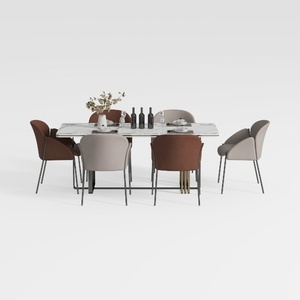
Velvet Dining Chairs Set of 6,Modern Simple


Convertible Folding Sofa Bed, Modular Floor Sofa w
Homestyler is your go-to platform for effortless home design. With its user-friendly online design tool, stunning 3D renderings, a variety of inspiring design projects, and helpful DIY video tutorials, transforming your space into a dream home has never been easier!
تصميم الآن مجانا
































