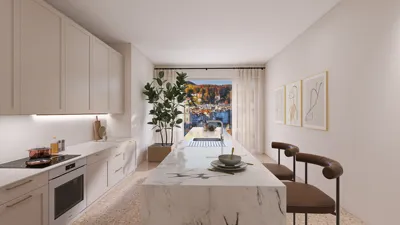


For over ten years, I have selected Johnson-style ceramic and porcelain tiles for family kitchens, cozy condos, and professional-grade renovations. My aim is clear: to create kitchens that exude vibrancy, efficiency, and enduring beauty. Factors like color selection, light reflectance, grout techniques, and slip resistance are just as crucial as your pattern decisions. Achieving harmony among these elements enhances daily activities and brightens spaces without necessitating a complete remodel, and utilizing tools like Homestyler can help visualize these designs effectively.
Effective design begins with measurable performance metrics. Utilizing high Light Reflectance Value (LRV) tiles on walls can enhance ambient lighting while reducing dependency on artificial lighting sources. The WELL v2 framework emphasizes the quality of visual light and advocates for balanced illuminance and glare management to promote comfort and support circadian health; kitchens that meet the suggested task lighting levels are perceived as safer and more accurate for food preparation. Furthermore, the psychology of color plays a significant role: vibrant warm tones can instill energy while cooler shades foster tranquility—an essential consideration when harmonizing open kitchens with living areas, as reflected in color psychology principles.
The functionality of a kitchen significantly influences tile selection. Studies investigating workplace dynamics reveal that straightforward pathways diminish cognitive stress and enhance productivity; this principle translates into residential kitchens, where ensuring smooth movement between the sink, stove, and refrigerator fosters an efficient environment. According to research from Steelcase, minimizing physical barriers correlates with improved task performance. Therefore, implementing slip-resistant flooring materials (R10–R11 ratings for areas prone to wetness) and strategic color zoning can encourage organized navigation without creating clutter, making tools like Homestyler beneficial for layout planning.
Color Strategy That Invigorates a Kitchen
I typically apply a 60/30/10 color scheme: 60% as the dominant tile, 30% as a secondary surface—usually the backsplash or island front—and 10% as an accent. In smaller kitchen spaces, I recommend using semi-matte white or light greige tiles with an LRV of 70+ on the walls to maintain brightness. To add energy, I opt for a glossy, vibrant backsplash—modal choices like teal, mustard, or terracotta—that harmonize with neutral countertops. According to color psychology, warm accents can enhance warmth and stimulate appetite, while blue-greens impart a fresh, clean look, making them perfect behind sinks.
Eye-Catching Backsplash Patterns That Remain Timeless
Subway tiles are timeless but modern proportions and layouts elevate their appeal. I prefer using 2x8 or 2x10 tiles with a 30% stagger or a clean vertical installation for a sleek rhythm. Employing patterns like chevron or herringbone introduces dynamism, but I reserve these for focal walls to prevent visual overload. For particularly bold designs, a high-gloss finish with delicate crazing can enhance light reflection, especially beneath LED lighting calibrated to about 3000–3500K for a warm ambiance that aligns with IES lighting standards.
Floor Tiles: Safety, Pattern, and Dynamics
Floors endure the most wear and tear. In cooking zones, I recommend choosing porcelain tiles that feature R10–R11 slip resistance with rectified edges for snug joints. My preference leans toward larger formats (24x24, 24x48) to minimize grout lines and foster visual tranquility, introducing rhythm through subtle terrazzo or speckled effects that mask crumbs and withstand heavy foot traffic. For added vibrancy without clutter, opt for a neutral flooring base while allowing colors to rise on the walls. In open-plan layouts, a slight tonal shift or border tile can help delineate cooking areas without intrusive thresholds. When considering movement or island spacing (ideally 39–48 inches), employing a straightforward interior layout tool like Homestyler is instrumental for testing pathways before selecting tiles.
Grout: A Often Overlooked Design Element
Grout can serve as a contrasting feature, defining shadows, or functioning as a visual correction tool. To amplify vibrant glaze colors, consider pairing them with a similarly hued grout for a striking color-blocked appearance. If graphic definition is desired, a mid-gray grout complements white tiles effectively, enhancing patterns without appearing harsh. For heavily used kitchens, opting for epoxy grout not only withstands staining but also provides deep color—though initially pricier, it pays off in quick maintenance.
Choosing the Appropriate Sheen: Gloss, Matte, or Satin?
Vibrant kitchens benefit from light interaction, yet glare can detract from comfort. I reserve high-gloss finishes for backsplashes, where reflections can create dimension without causing glare on floors. For potential floors, I favor matte or silk-matte finishes to reduce unwanted reflections while improving grip under angled lights. Satin textures on wall tiles provide a balance between easy cleaning and minimal glare, especially advantageous under strong task lighting near the cooking area.
Configurations That Transform Daily Activities
Consider this combination: matte greige 24x24 floor tiles; satin warm white wall tiles; glossy emerald 2x10 backsplash in a vertical alignment, matched with corresponding grout. Introduce brushed brass handles and wooden accents to soften bold color choices. Alternatively, for a coastal modern flair, envision pale sand flooring with a subtle aggregate, a chevron sky-blue backsplash, and crisp white upper cabinets, ensuring countertops are kept basic with warm white quartz or light terrazzo so the tiles stand out.
Light, Color, and Visual Comfort
Task lighting of around 300–500 lux at countertops enhances cutting precision, while ambient layers help mitigate shadows. The WELL v2 framework advocates for glare management and visual comfort in active zones; pairing matte flooring with well-shielded under-cabinet LEDs can prevent brightness hotspots. If your design relies heavily on natural daylight, high-LRV wall tiles, when combined with warm LEDs at extinguishing twilight, help avoid a cold feel in the evening.
Adapting Small Kitchens to Feel More Spacious with Intelligent Tiling
To create an illusion of width, orient floor tiles parallel to the longer wall. Maintain a consistent grout line throughout the kitchen and dining area to enhance visual connections. Stacked vertical tiles for the backsplash can draw the eye upward in low-ceilinged apartments. Adding a mirrored niche or stainless panel behind the cooking area can reflect light, avoiding the introduction of additional colors.
Durability and Upkeep
Porcelain tiles outperform others when it comes to wear resistance (PEI 4–5 suitable for intense residential use). Seek out tiles with lower water absorption (<0.5%) for areas near sinks and dishwashers. Cementitious grout should be sealed annually, whereas epoxy requires less attention and upkeep. When selecting vibrant glazing, ensure it is appropriate for kitchen environments—resistance to etching from acidic substances such as lemon and vinegar is essential.
Sustainability and Material Choices
Opt for tiles that incorporate recycled materials and Environmental Product Declarations (EPDs) when available, while also coordinating with LED lighting to reduce energy consumption. Additionally, think about using acoustic-minimizing area rugs or cork underlayment adjacent to the kitchen to moderate sound reverberation in open layouts—hard finishes can amplify noise, thus creating a balance with materials improves comfort during gatherings.
Planning Your Layout Before Making Commitments
Successful tile installation hinges upon careful layout. Dry-laying a model can aid in evaluating cuts near edges and outlets. Ensure backsplash ends align with cabinetry for a neat visual flow. If appliances or kitchen islands are to be repositioned, evaluate clearances and work patterns utilizing a room layout tool to visualize tile boundaries, grout patterns, and transitions throughout your design.
Designer Recommendations: Colors and Combinations That Complement Each Other
- Vibrant combination: white satin walls, matte pale oak flooring, glossy teal backsplash, with brass fixtures.
- Warm contemporary: ivory wall tiles, warm gray terrazzo-look flooring, rust backsplash, paired with matte black accents.
- Minimalistic graphic: warm white walls, deep charcoal flooring, tall narrow whites stacked with mid-gray grout for textured appeal without overwhelming color contrast.
Frequently Asked Questions
Larger tile sizes like 12x24 or 24x24 reduce grout lines and visually broaden flooring space. Position the long edge parallel to the longest wall of the room and match the grout color closely to that of the tiles to minimize visual interruptions.
Absolutely. High gloss should be reserved for vertical applications. For floor surfaces, opt for matte or silk-matte porcelain with the appropriate slip resistance (commonly R10–R11 for moist environments) to strike a balance between safety and ease of cleaning.
Aim for approximately 300–500 lux at your work surfaces. Combine shielded under-cabinet LEDs (around 3000–3500K) with matte finishes to decrease glare while enhancing contrast, aligning with general recommendations from IES and WELL principles regarding visual comfort.
Using color-matched grout maintains focus on the hue, creating a seamless color field. For those desiring defined patterns, a mid-gray grout creates an outline around the tiles without yielding a harsh appearance.
Adhere to the 60/30/10 principle: allow neutral tones to dominate flooring and primary walls (60%), select a singular statement surface like the backsplash for color (30%), and brighten with small accents (10%) through hardware or open-shelf ceramics.
Porcelain is denser, often exhibiting <0.5% water absorption rates, along with enhanced abrasion resistance (typically PEI 4–5), rendering it exceptional for kitchen flooring. Conversely, ceramic tiles are more suited for wall applications and areas with less frequent use.
Center layouts on focal points, such as your range or sink, then dry-lay tiles to evaluate where cuts will occur. Adjust initial positions to ensure outlets are integrated into full or half tiles, and finish exposed edges with trims for a polished look.
Certainly. Warmer saturated colors (like mustard or terracotta) enhance energy and warmth perception, whereas cooler shades (such as blue or teal) impart a fresh, clean appeal. Balance these with neutral flooring and controlled lighting to eschew overstimulation.
High-gloss or satin glazes on vertical surfaces are easy to clean. Pair with epoxy grout to ensure stain resistance where splashes are likely to occur.
A slight shift in tone, border tiles, or changes in tile orientation can effectively designate the kitchen area without the need for physical thresholds. Maintaining consistent grout colors across open areas ensures visual continuity.
Discover the magic of home design with Homestyler! This user-friendly platform offers an intuitive online design tool, stunning 3D renderings, and a vast array of design projects to spark your creativity. Plus, enjoy DIY video tutorials that make transforming your space a breeze. Start designing today!
Desain sekarang Gratis
































