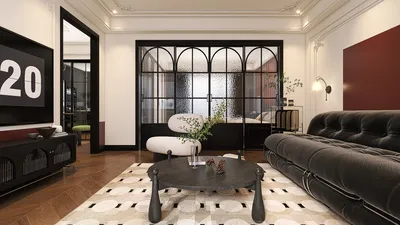


I once encountered a client who insisted on featuring both a chandelier and a pineapple-shaped cookie jar in their tiny galley kitchen. This experience illustrated that effective staging revolves around storytelling just as much as it does about layout, as even minor decisions can significantly enhance perceived value almost instantly. For quick visual insight while you read, explore these well-staged kitchen examples that aided me in selling a condo over a weekend.
1. Establish a Focal Point with an Artistically Styled Counter
I tend to focus on a particular area — often the counter adjacent to the sink — and arrange it like a miniature vignette: incorporating a small cutting board, a bowl filled with lemons, and a textured tea towel. This method is both cost-effective and impactful, as it draws buyers' attention to a single, neat scene rather than a disorderly workspace. However, it's crucial to resist the temptation of overcrowding with too many props; remember, staging is about narrative, not a prop warehouse.
2. Utilize Layered Lighting to Enhance Compact Spaces
Some years back, I replaced a bulky light fixture with a streamlined pendant and added under-cabinet lighting in a rental kitchen; the transformation made the area feel remarkably larger and more inviting. Layering light eliminates shadows and showcases the finer details, but it may raise the budget if new wiring is needed — consider using LED strips for an economical option.
3. Begin with Neutrality, Add a Splash of Character
My advice is to opt for a warm neutral tone for cabinets, then introduce a single accent color — like teal bar stools or an intricately patterned rug. Neutral backsplashes photograph beautifully, refreshing the appearance of appliances, while a singular accent ensures the space is memorable. Keep in mind that bold accents might age more rapidly; therefore, choose a color that resonates with prevalent buyer preferences.
4. Design for Flow, Not Flawlessness
Rather than meticulously arranging every spice jar in alphabetical order, I opt to stage in a way that reflects how a family would genuinely use the kitchen: featuring an open cookbook, a well-organized coffee station, and clear counter space available for meal preparation. This illustrates lifestyle and flow, which resonates with buyers, but it requires honesty about necessary repairs — staging will not conceal significant issues.
5. Explore Virtual Options to Experiment with Layouts
When physically altering cabinetry wasn't feasible for a showing, I created digital mock-ups and presented different variations to the seller — this persuaded them to consider minor updates. Virtual options allow quick and affordable comparisons of finishes and configurations, making them ideal for last-minute adjustments. For achieving realistic visualizations, I frequently utilize a virtual 3D staging tool before finalizing decisions on paint or hardware, although the realism is contingent on the quality of the source images provided.
FAQ
Q1: What is the most crucial element in kitchen staging?
A: The key focus should be on creating a tidy, uncluttered focal point that clearly conveys the kitchen’s function — be it a styled vignette or a clean countertop. This approach helps potential buyers envision their daily life without unnecessary distractions.
Q2: What’s a reasonable budget for staging a kitchen?
A: You can achieve impressive outcomes with a moderate budget by concentrating on cleaning, decluttering, and a few high-impact accents like a chic rug or pendant light. Increased investment is advisable only if visible repairs or new fixtures are planned.
Q3: Can virtual staging replace the need for physical staging?
A: Virtual staging is fantastic for exploring aesthetic options and creating marketing visuals, but physical staging remains superior for open house events, as buyers respond to textures and spatial dimensions. Employ virtual tools to envision your presentations before purchasing physical items.
Q4: Which colors are most effective for selling kitchens?
A: Warm neutral tones and soft whites generally photograph appealingly and attract a broad audience; introducing a single muted accent can inject personality without alienating potential buyers. While trends evolve, safe color schemes provide the most versatility for resale.
Q5: How long typically does staging take?
A: A basic staging refresh, which includes cleaning, decluttering, and arranging, can require anywhere from a few hours to a day; however, a full makeover involving new fixtures may span several weeks. Timing should align with listing photography to capture optimal lighting.
Q6: Does staging lead to a higher sale price?
A: Research indicates that staged properties not only sell faster but often command higher offers due to their improved photographic appeal and emotional resonance; the National Association of Realtors notes that staged homes can enjoy significant marketing advantages according to their Profile of Home Staging report.
Q7: Do you have any quick tips for small kitchens?
A: Implement open shelving judiciously to display curated dishware, maintain clear countertops, and incorporate reflective surfaces like small mirrors or glossy backsplashes to enhance light. These strategies are both low-cost and highly effective.
Q8: Where can I access design templates and case studies?
A: I frequently direct clients to well-curated galleries and virtualization illustrations to choose styles that suit their budget and market needs. For instant inspiration, consider exploring an accessible collection of AI-enhanced kitchen layouts to ignite your creative process.
Discover the ease of home design with Homestyler! This user-friendly platform offers an intuitive online design tool, stunning 3D renderings, and a wealth of DIY video tutorials. Transform your interior spaces effortlessly and unleash your creativity today!
Дизайн сейчас бесплатно
































