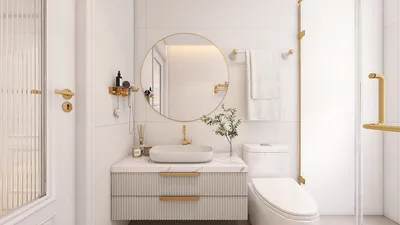


When selecting kitchen cabinet colors, I prioritize the same level of attention as I do for lighting and workflow. The chosen colors should enhance behavior, reduce visual clutter, and simplify daily routines. In kitchen design, using laminate provides a resilient and affordable backdrop that strikes this balance effectively. The essential element is to synchronize colors with the proper sheen, edge details, and hardware, ensuring the overall palette appears deliberate and stands the test of daily use in a busy kitchen.
Colors have the power to affect perception and mood, making them a valuable asset in bustling kitchens. Color psychology studies reveal that shades of blue and green evoke calmness and refreshment, whereas yellows can instill a sense of positivity when used in moderation. To delve deeper into how color can influence behavior, consider exploring the fundamentals of color psychology. From a wellness perspective, the quality of lighting also influences how we perceive colors and materials; the WELL Building Standard emphasizes glare control and color rendering as vital aspects of visual comfort—refer to the WELL v2 framework for a comprehensive understanding of human-centered interiors.
Design Principles for Laminate Color Pairings
Effective kitchen color composition hinges on clarity: what should capture attention first? I usually designate one anchor color, accounting for 60%, a secondary contrasting color at 30%, and an accent color at 10%. This 60–30–10 ratio maintains a steady visual rhythm, preventing design chaos. For smaller kitchens, I lean towards lighter base colors to reflect light, while in spacious, open designs, I sometimes reverse this strategy by opting for darker lower cabinets to provide a grounding effect.
Proper lighting is crucial. Utilizing warm-white task lighting within the 3000–3500K range over countertops eliminates cool tones that could distort warm woods or creams, while lamps with a Color Rendering Index (CRI) of 90 or more retain accurate color representation. The Illuminating Engineering Society offers valuable guidelines for task area illumination; they recommend targeting lux levels between 300 and 500 on working surfaces for activities like chopping and reading labels, adhering to IES lighting standards. Quality lighting enhances the appearance of laminate grains and matte finishes, making them appear richer and safer for use.
Top Color Combinations for Kitchen Laminate Cabinets
A delicate white upper cabinet (matte or soft-matte laminate) paired with a lower cabinet featuring a natural oak finish infuses warmth without making the space feel heavy. Incorporating brushed black hardware adds sharp definition. This setup maintains the proportions of 60% white, 30% oak, and 10% black accents (such as pulls and frames), aligning well with Scandinavian, Japandi, and transitional style influences.
To achieve depth without creating a gloomy atmosphere, pair mid-grey upper cabinets with deeper navy lower cabinets, complemented by burnished brass pulls for warmth. Navy panels hold their clarity under changing daylight conditions, appearing clean rather than murky. This combination harmonizes beautifully with marble-inspired or light terrazzo laminates on panels and backsplashes.
The calming neutral of mushroom (a greige-taupe shade) serves as a perfect base; accent it with sage green on a tall pantry or island to integrate a sense of nature into the design. This evokes a feeling of timelessness rather than being merely a trend. Choosing aged nickel or pewter hardware preserves a soft, understated aesthetic.
For those desiring drama in their kitchen, I suggest using charcoal graphite laminate for lower cabinets combined with warm walnut-inspired panels or tall doors to introduce texture. Balancing this with soft white upper cabinets or a slender white valance shelf helps elevate the visual perception of the space. Opt for ultra-matte laminates to minimize fingerprints and reduce glare—a practical choice for any kitchen.
Incorporating earthy terracotta tones on an island or open shelving beautifully complements cream cabinetry. This palette enhances depth when paired with dark stone-look laminate countertops and matte black pulls. Keep terracotta accents to no more than 10–20% to prevent small spaces from becoming overwhelmed.
Soft black laminates, as opposed to harsh jet black, create a refined look—particularly when combined with light maple for contrast. Antique bronze hardware introduces warmth and charm. I often apply soft black vertically on tall units to frame the kitchen effectively, similar to a piece of artwork.
A classic coastal theme can be achieved with cloud white upper cabinets, dusty blue lowers, and polished chrome pulls. This color scheme performs best under high-CRI lighting (3000–3500K) to maintain nuanced blue tones. Pair this look with a white oak floor to prevent an overload of blue-grey hues.
Finish Matters: Matte, Super-Matte, and High-Gloss Laminates
The sheen of the finish can significantly influence a color scheme's success. High-gloss surfaces can expand visual space by reflecting light, but they are also prone to showcasing fingerprints and micro-scratches. On the other hand, super-matte laminates exude a premium quality, appearing sophisticated even in bright daylight and managing fingerprints effectively. I commonly combine finishes: matte on lower cabinets that experience frequent contact and semi-gloss or satin on upper cabinets to subtly catch light and enhance the overall palette.
Wood-Look Laminates: Getting the Tone Right
Wood colors carry emotional significance. Red or orange woods evoke a more traditional feel, whereas neutral to warm shades like oak and walnut tend to feel contemporary and calming. When pairing these wood tones with cool greys, it's essential to ensure that the undertones harmonize. If you’re contemplating layout alterations—such as replacing upper cabinets with a tall pantry—use a room layout tool for a quick test to ascertain flow and color balance before finalizing your selections.
Countertops, Splashbacks, and Floors: Supporting the Palette
Cabinet color is most effective when other elements complement it. I prefer countertops that blend both cabinet colors—like a light quartz laminate featuring warm veining when mixing white and oak, or a subtle concrete look to match navy and grey themes. Regarding floors, it’s advisable to opt for larger, subdued patterns; small, busy designs can clash with the cabinet rhythm.
Ergonomics, Light, and Daily Behavior
Color’s impact extends beyond visual aesthetics; it also influences how we interact with the space. Dark lower cabinets effectively conceal scuffs from foot traffic, while lighter upper cabinets contribute to an airy feel overhead, lessening visual bulk. Implementing under-cabinet task lighting is critical for safe preparation; aim for 300–500 lux on counters as per IES guidance. The position of handles also plays a pivotal role: a horizontal pull on a deep drawer provides greater security for heavier items. Rounded edges on laminate fronts are beneficial for reducing wear and enhancing tactile comfort.
Durability and Maintenance Tips
Select laminates that boast high abrasion resistance (check manufacturer ratings) and consider matching edge-banding for a smooth finish. Anti-fingerprint technology on super-matte surfaces is particularly advantageous for darker colors. Maintenance should involve pH-neutral cleaners; avoid abrasive scrubbing pads on high-gloss finishes. In areas prone to moisture exposure—such as next to the dishwasher or coffee stations—specify moisture-resistant substrates and ensure exposed edges are sealed.
2024–2025 Trends I Actually Trust
- Soft, muted greens and intricate beiges (like mushroom or ecru) signify understated luxury.
- Incorporating two-toned cabinets with wood accents—mixing painted runs with a wooden pantry tower.
- Ultra-matte, low-glare surfaces that photograph well and impart a premium feel.
- Slim framed doors (7–10 mm) in black or bronze create a refined industrial aesthetic.
- Handles integrated into lower cabinets paired with decorative knobs on upper cabinets combine modern with classic styles.
Sample Palettes You Can Lift and Use
- Calm Neutral: Warm White (60) / Oak (30) / Black (10)
- Modern Classic: Mist Grey (60) / Navy (30) / Brass (10)
- Biophilic Soft: Mushroom (60) / Sage (30) / Pewter (10)
- Moody Refined: Charcoal (60) / Walnut (30) / Soft White (10)
Planning the Layout Around Color
The arrangement of colors should facilitate a smooth workflow. I arrange darker sections (like the pantry and fridge) on one wall to anchor the space, while utilizing lighter colors for prep areas for visual ease. If you are varying colors between the island and perimeter, simulate this sequence in an interior layout planner to verify circulation, sightlines to windows, and how natural light interacts with each surface throughout the day.
FAQ
I prefer super-matte or soft-matte finishes. These options minimize fingerprints and scatter light, preserving the richness of darker shades without adding shine. Reserve glossy finishes for accent panels, rather than high-contact areas.
Always test finishes under actual lighting conditions at 3000–3500K. Choose a white that has a slight warmth (like cream or linen) to avoid a bluish tint, especially in north-facing light. Employing high CRI (90+) lamps helps maintain warmth.
Absolutely—keep uppers light (opt for white or cream) and lowers mid-to-dark to provide grounding. Limit the contrast to two cabinet color options, with a restrained third accent for hardware.
Warm whites and light oaks continue to be widely appealing. Pair these with neutral hardware such as brushed nickel or black finishes. Introduce a bolder color on an island that can be refinished later for versatility.
Color temperature and CRI are crucial for perception. Strive for task lighting between 300–500 lux and maintain warmth within the 3000–3500K range. This aligns with professional standards from the IES and ensures accurate color representation.
Textured high-quality laminates with synchronized grain patterns look striking, particularly in neutral oak and walnut finishes. Matching edge-banding and grain alignment across doors enhances realism.
Select a surface that incorporates undertones that match your cabinets. For white and oak schemes, a warm-veined light surface is ideal, while for navy and grey combinations, a soft concrete-like appearance can achieve a pleasing balance.
Sage or olive green tones pair beautifully with warm metals: options include brushed brass, bronze, or antique nickel. For deeper green shades, matte black contrasts modernly without creating glare.
Not necessarily. Following the 60–30–10 rule, the island can embody the 30 or 10, serving as a focal point in wood or a vibrant color. Ensure countertops and backsplashes remain subdued if the island features a bold hue.
Organize samples under your actual lighting conditions and alongside floor and counter options. Stick to a cohesive theme: either all warm undertones or a controlled mix where one neutral (like mushroom or greige) can bridge warmer and cooler tones.
Homestyler's roots trace back to Autodesk, the global leader in design and engineering software. That heritage lives on in every feature we build. Today, with a community of more than 18 million users worldwide, Homestyler continues to make professional-quality interior design accessible to everyone — from first-time decorators to seasoned architects.
Homestyler is your go-to online design platform for creating stunning interiors. With its user-friendly design tool, impressive 3D renderings, diverse design projects, and helpful video tutorials, you can effortlessly bring your home design visions to life. Start your creative journey today!
지금 무료로 디자인하세요
































