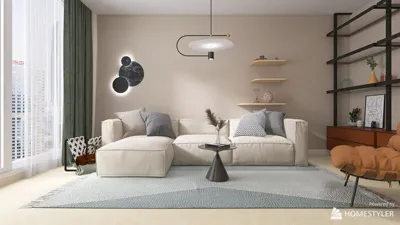


Selecting the ideal wedding venue is essential to establishing the celebration's atmosphere, encompassing factors like flow, comfort, lighting, acoustics, and even the behavior of your guests. In my experiences, exceptional venues strike a harmonious balance between capacity, sightlines, lighting adjustments, and logistical service needs alongside decor. Research supports this focus on design; Gensler’s U.S. Workplace Survey illustrates that well-thought-out spaces have a significant impact on experience and performance, a concept that directly applies to events where factors like wayfinding, comfort, and visual clarity enhance guest satisfaction. Additionally, the WELL Building Standard highlights crucial aspects such as air quality, acoustic comfort, and lighting flexibility, turning a visually appealing space into a genuinely welcoming venue that can be effectively planned using tools like Homestyler.
Two key benchmarks can guide your initial decisions. First, lighting is crucial: The Illuminating Engineering Society (IES) suggests specific illuminance levels for activities similar to reception seating (typically 100–300 lux for ambient dining, with higher levels for service areas) to ensure facial visibility in photographs while maintaining a vibrant atmosphere. Second, comfort is quantifiable: WELL v2 offers insights into acoustic strategies and glare management that alleviate stress and enhance mood—critical during ceremonies and dinner interactions. These metrics are invaluable when assessing dimmable systems, candle guidelines, and ceiling treatments to control sound reverberation.
Clarifying Your Vision and Scale
Start by defining non-negotiables: guest count, ceremony style (on-site vs. off-site), dining format (plated, buffet, family-style), and the planned flow from vows to the dance floor. Generally, planning for 10–12 square feet per guest for banquet seating and 12–15 square feet per guest when accommodating a dance floor is advisable. If your layout includes mixed-use areas (photo booths, lounge spaces, late-night dessert stations), consider adding an additional 10–15% in area to prevent crowding and maintain clear sightlines.
Shortlist Venues Based on Location, Accessibility, and Noise Levels
Being near hotels and transit options enhances convenience—it leads to fewer late arrivals and is particularly helpful for elderly guests. Verify load-in/out paths, the ceiling heights suitable for decor installations, and the relevant noise regulations. If your band or DJ uses subwoofers, select venues that feature sound-absorbing materials (such as fabric panels, drapery, or wooden surfaces) to reduce echo. During your venue testing, perform a clap test in the center of the hall and monitor the sound decay; a decay time exceeding 1.2–1.5 seconds in a bare room indicates the need for additional soft finishes.
Lighting That Enhances, from Daylight to Night
While natural light is ideal for ceremonies, be sure the hall includes blackout or shading options to manage glare for your photography. Aim for a layered lighting scheme: warm ambient lighting at 2700–3000K for dining areas, focused pin spots on centerpieces, and adjustable dimming for toasts and the first dance. Avoid relying solely on overhead lighting during dinner; a combination of wall grazing, table pin spots, and gentle uplighting creates depth and keeps guests’ faces glowing in photographs.
Acoustics and Clear Communication
Your guests will cherish the wedding vows and toasts—provided they can actually hear them. Conduct a sound check with your celebrant’s microphone and have the band perform their softest and loudest pieces. Opt for distributed speaker systems rather than just a singular loud setup, and ensure you have a dedicated AV team or a preferred vendor who is familiar with the venue’s optimal sound locations. Table linens, area rugs, and curtains not only enhance the decor but also help to dampen sound and improve clarity of speech.
Seating Arrangements, Flow, and Visibility
Establish clear pathways of 5–6 feet for service access and 3–4 feet between tables for guest movement. Keep the dance floor visible from at least 70% of the seating to encourage energy and participation. If you're experimenting with layout options, utilize a room planning tool to visualize table configurations, stage positioning, and buffet arrangements before site visits—tools like Homestyler can be particularly beneficial in this regard. I recommend testing two to three floor plan variations to assess how late arrivals or an expanded band setup influence the overall flow.
Dining Style and Kitchen Considerations
A stunning venue can be compromised by a kitchen that is too far away or lacking capacity. Verify on-site catering availability, the heating equipment available, and adequate plating space. For family-style service, ensure the aisles are wider and table rotations are slower; for buffets, estimate queue lengths and consider duplicate stations to minimize wait times. Coordinate a timed rehearsal with the caterer’s captain to refine the schedule.
Materiality, Color Choices, and Photography
Walls with subtle textures (like limewash, grasscloth, or wood slats) photograph much better than flat bright white, which can reflect flash and appear sterile in evening settings. Warm neutrals in the 3000–3500K lighting spectrum complement skin tones and floral designs. Research on color psychology indicates that softer warm shades may promote social comfort, while deeper greens and blues can instill a sense of calm—ideal for relaxation zones between dance segments.
Bridal Suite, Vendor Operations, and Back-of-House Facilities
Request to view the preparation areas and storage facilities. A well-lit bridal suite with neutral walls aids makeup artists in color matching and ensures clean pre-ceremony photos. Confirm the availability of multiple outlets, garment racks, and designated areas for steaming. For vendors, verify the presence of a secure loading dock, adequate elevator capacity, and a staging area that keeps equipment out of sight.
Contracts, Curfews, and Unexpected Charges
Carefully review time allocations, setup and strike periods, and any union regulations if you’re in a performance venue. Clearly outline any fees for corkage, cake-cutting, power usage, and overtime. If you’re bringing in outside lighting or draping, make sure to check rigging points and insurance requirements. I also ask for a documented rain plan, even for primarily indoor events, addressing guest arrivals, umbrella provision, and valet logistics.
Decor Strategy: Invest Where It Counts
Optimize your budget by focusing on high-impact areas: the ceremony backdrop, head table, bar facade, and entry points. If feasible, repurpose floral arrangements from the ceremony to the reception. Be aware of candle policies—some venues require enclosed hurricane lamps, while others do not permit real flames at all. When open flames are restricted, opt for warm 2700K LED candles and adjustable pin spots for visual appeal.
Dance Floor, Staging, and Power Requirements
Allocate approximately 3–4 square feet per dancing guest; if around 40% of your attendees are expected to dance simultaneously, size the floor accordingly. Confirm the height of the stage (12–24 inches is standard for preserving sightlines without isolating the band) and ensure that clean power sources are available for A/V equipment. Additionally, maintain at least one quieter area—such as a lounge or terrace—so older guests can converse comfortably without the need to shout.
Developing Timelines and Rehearsal Plans
Walk through the entire timeline with the venue manager, including vendor arrivals, power checks, and cueing for the ceremony, dinner, and final call. Conduct a brief lighting rehearsal the night before—about 15 minutes for dimming and transitions—helping to avoid overly bright toasts or an inadequately lit first dance.
Sustainability Considerations and Comfort Enhancements
Inquire about the use of LED fixtures, HVAC zoning, and water-efficient installations; these often correlate with improved comfort and reduced noise levels. Consider using reusable decor, locally sourced florals, and rental items to minimize waste. Provide hydration stations, comfortable seating, and modest acoustic improvements to sustain energy levels without causing fatigue.
Questions to Ask During a Venue Tour
- What is the true seated capacity when incorporating dance floors, stages, and bar setups?
- How many dedicated power circuits are available for the band, lighting, and catering?
- Are there reliable blackout shades, dimmable areas, and options for pin-spot lighting?
- What is the default room setup, and can we examine sample floor plans?
- How are noise complaints addressed, and what are the established curfews?
- What plan is in place for rain or arrivals, including valet services and ADA compliance?
When providing insights to clients, I utilize WELL v2 to inform acoustic and lighting strategies and reference human-centered design data from Gensler’s research initiatives to advocate for enhanced guest experiences. These valuable resources help align aesthetic priorities with measurable comfort standards, and tools like Homestyler further simplify spatial planning.
Frequently Asked Questions
Q1: How much space should I allocate per guest for a banquet-style wedding?
A: Allocate 10–12 square feet per guest for seated dining. If including a dance floor and entertainment, increase to 12–15 square feet per individual to ensure adequate circulation and service efficiency.
Q2: What color temperature for lighting works best for wedding receptions?
A: A warm white in the 2700–3000K range flatters skin tones and floral designs. Combine dimmable ambient lighting with pin spots on tables and soft uplighting for depth and sparkle while avoiding glare.
Q3: How can I enhance speech clarity during toasts?
A: Implement a distributed speaker system, conduct sound tests for wireless mics beforehand, and introduce soft materials like drapery and linens to minimize reverb. Refer to acoustic comfort guidelines from WELL v2 for material choices and layout.
Q4: Are round or rectangular tables more conducive to conversation?
A: Both types work effectively. Round tables (60–72 inches) facilitate inclusive conversation, while rectangular tables enhance sightlines for long head-table arrangements. Maintain 3–4 feet between tables and 5–6 feet for server paths regardless of table shape.
Q5: What should I confirm with the venue regarding power and audio-visual setup?
A: Inquire about dedicated 20-amp circuits available for the band/DJ and lighting, as well as in-house A/V regulations, rigging points, and sound limitations. Schedule a sound and lighting rehearsal to validate levels and cues.
Q6: How can I effectively manage mixed indoor-outdoor flow?
A: Keep food and the bar situated indoors for consistent service and utilize outdoor spaces for lounging and photography. Clearly mark wayfinding signs and create a tranquil area for older guests. Have a contingency plan for weather, complete with staff responsibilities.
Q7: Which decor features provide the most significant impact within a budget?
A: Focus on the ceremony backdrop, entry points, bar facade, and head table. Consider repurposing floral arrangements from the ceremony to the reception, and utilize adjustable warm lighting to enhance the ambiance affordably.
Q8: What is the ideal size for a dance floor?
A: Allow for 3–4 square feet per dancing guest. Estimate that around 40% of your total guests will dance at any given time and size the dance floor to create an engaging atmosphere without overcrowding.
Q9: How can I quickly evaluate the acoustics of a hall?
A: Conduct a clap test in the center of the unoccupied room to assess sound decay. If the space feels too echoey, plan for additional soft treatments—such as drapery, area rugs, and fabric panels—and implement a distributed speaker system.
Q10: What essentials should a bridal suite have?
A: A well-lit bridal suite with neutral walls (to optimize makeup color matching), abundant outlets, garment racks, mirrors, and a space conducive to steaming. A private restroom nearby adds practicality.
Q11: How can layout software assist me before securing a venue?
A: Utilize an interior layout tool to simulate table arrangements, aisle widths, and stage configurations. A quick visual representation can help identify potential bottlenecks and ensure the dance floor remains easily visible from most seating areas.
Q12: How do I select colors for a venue that will photograph well?
A: Opt for neutrals with subtle textures and warmer tones; avoid stark bright whites that can reflect flash harshly. Adjust lighting to 2700–3000K to help maintain natural-looking skin tones in photos.

Meridian Furniture 668Brown-S144B Cube
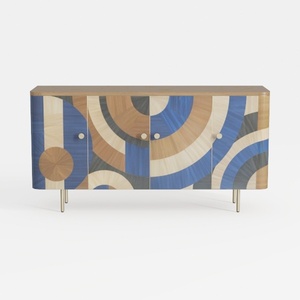
Tribesigns 63'' Farmhouse Sideboard Buffet Cabinet
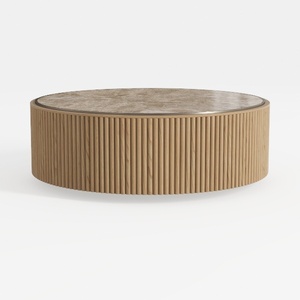
Round Coffee Table with Storage,Fluted Lift Up
Homestyler is an exceptional online home design platform that makes interior decorating fun and easy. With its user-friendly design tool, impressive 3D rendering, and a wealth of inspiring DIY video tutorials, you can transform your home into a dream space effortlessly.
Design Now for FREE
































