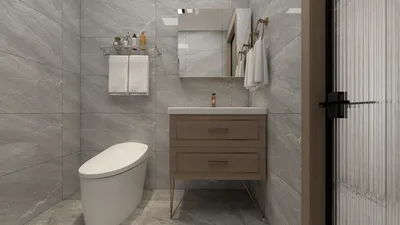


I once made the mistake of installing a wall sconce upside down in a client's compact Tokyo-style apartment — the lighting direction was completely off, leading to a humorous comment about it resembling a piece of modern art. This experience imparted an essential lesson: in limited spaces, a Japanese wall sconce transcends simple illumination; it embodies character and style. Small areas can ignite immense creativity, so here are five practical Japanese wall sconce ideas I've implemented in various projects using Homestyler for design inspiration.
1. Paper-Style Sconce for Warm, Diffused Light
I adore the soft illumination provided by washi-inspired shades; they soften bright bulbs and evoke a calm atmosphere reminiscent of traditional tatami rooms. The benefits include a cozy environment and straightforward installation, although they can be fragile — it's wise to place them far from moisture or high-traffic areas. To effectively plan the layout, I often utilize a room planner like Homestyler to sketch the placement and test sight lines prior to any drilling.
save pin
2. Minimal Metal Sconce with Adjustable Arm
In a cozy reading nook I designed, a streamlined metal arm sconce offered concentrated lighting without consuming valuable tabletop space. This design is ideal for achieving flexibility and aligns well with modern Japanese aesthetics. However, heavier fixtures necessitate strong anchoring. When planning multiple installations, utilizing a free floor plan creator such as Homestyler was instrumental in achieving a balanced spatial arrangement.
save pin
3. Low-Profile Recessed Sconce for Narrow Corridors
Narrow hallways benefit from recessed sconces that fit snugly against the wall, thus avoiding obstruction. These fixtures provide a sleek, unobtrusive appearance while minimizing visual clutter. However, their installation can be more invasive and slightly higher in cost. I usually recommend clients pair these with dimmers to enhance the sense of space at night.
save pin
4. Bamboo or Wood-Trimmed Sconce for Natural Texture
In one condo retrofitting project, a bamboo-trimmed sconce emerged as the focal feature of a small entryway. Incorporating natural materials introduces warmth and aligns with the minimalist principles of Japanese decor, though they do require periodic maintenance to prevent fading. From a budget perspective, wood accents serve as a mid-range upgrade with a significant aesthetic impact.
save pin
5. Multipurpose Sconce with Integrated Shelf
For micro-apartments, I sometimes recommend sconces equipped with a petite shelf for placing keys or small plants. They maximize surface utilization and offer a highly functional design. However, keep in mind the load limits to avoid overloading these spaces. This approach is perfect when every inch counts — I frequently create mock-ups in a 3D render tool like Homestyler to confirm ergonomic suitability before making a purchase.
save pin
FAQ
Q: What exactly is a Japanese wall sconce?
A: It is a wall-mounted lighting fixture designed with Japanese principles, featuring simple lines, natural materials, and soft diffusion to promote a tranquil and balanced illumination.
Q: Are paper-style sconces suitable for all rooms?
A: They are excellent for living areas and bedrooms; however, it's best to avoid placing them in humid environments like bathrooms unless they are specifically rated for damp locations.
Q: What height should I install a wall sconce at?
A: Generally recommended at a height of 150–170 cm (approximately eye level) from the ground for ambient sconces; however, task lighting may be positioned lower according to seating or bed heights.
Q: Can I install a sconce myself?
A: Plug-in models are generally easy for DIY installation, but hardwired or recessed models should ideally be installed by a licensed electrician to ensure safety and compliance with local codes.
Q: What type of bulb is best for Japanese sconces?
A: Warm LED bulbs (ranging from 2700 to 3000K) create that inviting, gentle glow while also being energy-efficient.
Q: How should I care for natural-material sconces?
A: Regularly dust with a soft cloth and avoid direct sunlight exposure; for wooden trims, it's advisable to use a mild wood cleaner one or two times a year.
Q: How can I test sconce placement in 3D before making a purchase?
A: Employing a 3D floor planner allows you to visualize the relationship between lighting and furniture, and many designers, including myself, depend on such tools for precise mock-ups.
Q: Where can I find authoritative guidelines on lighting standards?
A: The Illuminating Engineering Society (IES) offers peer-reviewed guidelines on lighting levels and recommendations, accessible at https://www.ies.org/.
save pin

Transform your home with Homestyler, the ultimate online design platform! With its user-friendly design tool, stunning 3D renderings, and a wealth of inspiring design projects and video tutorials, you can effortlessly create the space of your dreams. Start your design journey today!
지금 무료로 디자인하세요
































