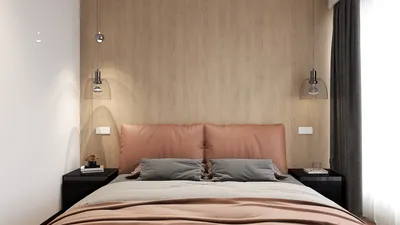


When creating Japanese room decor, I emphasize simplicity, equilibrium, and a peaceful atmosphere. By allowing the space to breathe rather than overfilling it, I cultivate an environment that is restorative and intentional—minimalist yet far from sterile. The aesthetic principles of Japanese design focus on harmony with nature, the use of tactile materials, and a seamless flow of movement. This combination fosters a serene foundation for everyday life, and utilizing a tool like Homestyler can help visualize these important spatial elements.
The tranquility experienced in well-designed spaces is more than merely an aesthetic choice; it is supported by research. According to Steelcase studies, individuals working in thoughtfully designed environments express up to 17% greater satisfaction and well-being. This aligns with the layout principles that many homes adopt, filtering visual noise and forming clear pathways. The WELL v2 standard stresses the importance of natural light and effective glare control, connecting luminous environments to cognitive wellness. Such principles guide the creation of inviting living areas with layered lighting and unobtrusive window treatments that enhance views while controlling glare, much like the calming environments achieved using Homestyler.
The layout serves as the backbone of a Zen-inspired space. It's vital that movement paths feel natural, featuring clear sightlines and distinct functional zones. These can include spaces for tea gatherings, quiet reading nooks, and adaptable sleeping areas, which lend themselves to transformation at night. To ensure proportions are accurate before purchasing furniture, I frequently utilize a room layout design tool—such as Homestyler—to test flow, scale, and light throughout the day, adhering to recommendations that suggest optimal ambient light levels.
Key Concepts of Japanese Minimalism
Japanese decor embraces the art of emptiness, transforming it into an essential design component. I prioritize open floor plans with low-profile furniture to sustain visual cohesion. Storage options become integral architectural elements, incorporating built-in solutions, shoji-style closets, and under-bench storage to minimize visual clutter. The materials used focus on authenticity and texture, including wood grains, linen, and ceramics, accented by a palette of warm, muted tones that pairs harmoniously with blackened steel or charcoal details. Each item is chosen thoughtfully, with an emphasis on functional beauty and the importance of negative space—allowing the room to exhale.
Light: Soft, Layered, and Glare-Managed
Natural light should be filtered gently, not forced. Employing items like shoji screens, light-diffusing curtains, and rice-paper pendant lamps establishes a soft glow with minimized highlights. My lighting strategy involves three layers: ambient (using diffusing pendants or cove lighting), task (placing adjustable floor lamps strategically), and accent (spotlighting artwork or alcoves). Following the guiding principles of WELL v2, I steer clear of blue-toned light in the evening, favoring warmer tones to maintain our natural circadian rhythm. Dimmers are indispensable for matching lighting intensity to activities and moods, further reducing eye fatigue.
The Psychology of Color and the Sensory Atmosphere
The essence of a Zen color palette draws inspiration from earth and shadow. I favor warm off-whites, parchment, and stone colors, often highlighted with matte black accents. Research from Verywell Mind underscores the calming effect of greens; subtle sage textiles or a single moss-toned accent wall can stabilize a room while upholding neutrality. High-saturation colors should be avoided in areas conducive to rest, as they can compress perceived space and elevate tension. Instead, visuals interest comes through texture, such as raised weaves and washi fibers, rather than bold colors.
Materials: Genuine, Resilient, and Sensory
The materials integral to Japanese design are marked by honesty. Warm woods like oak or cedar are employed alongside tatami or sisal for underfoot comfort, and clay or porcelain serves beautifully for tableware. My commitment to finish quality is rigorous—low sheen minimizes glare and fingerprints, while natural oils are preferred over heavy varnishes. In moisture-rich areas, I choose sealed woods and porcelain tile that mimic nature's hues while withstanding humidity. The principle of sustainability resonates quietly throughout the process—opting for durable and repairable items, and when possible, supporting local craftsmanship.
Spatial Proportions and Aesthetic Balance
In minimalist environments, proportions convey the most meaning. I aim for a distribution of 60–30–10: with 60% devoted to a calming base (walls and floors), 30% to mid-tones (fabrics and wood), and 10% to dark accents (frames and hardware). Keeping furniture heights low preserves horizon lines, and ensuring there is ample breathing space—between 600 and 900 mm—maintains a relaxed flow throughout the room. Alcoves, drawing inspiration from the tokonoma, provide focal points for art or seasonal arrangements, allowing the rest of the space to recede into a tranquil background.
Behavioral Zoning and Patterns
Japanese rooms invite engagement with daily rituals: tea, reading, stretching, and quiet productivity. Instead of solid walls, I create soft zones by varying light levels and textures. A low table atop tatami delineates social seating, while a floor lamp beside a solitary chair cultivates a reflective corner. Movable partitions offer flexibility—opened for camaraderie and closed for solitude. This design choreography ensures the home remains versatile without an overabundance of furniture.
Sound Comfort
A tranquil atmosphere can be heard. I manage sound reflections through the strategic use of layered textiles—such as area rugs, linen drapes, and upholstered furnishings—alongside bookshelves to disrupt echo. Hard surfaces can exist in a balanced manner. In areas requiring privacy, consider adding felt panels or wood slat screens fitted with acoustic backing, enhancing aesthetics while absorbing sound. Soft-close hardware on doors further helps in diminishing disruptive noises that could elevate stress levels.
The Entryway and Living Room
The genkan (entryway) sets an inviting tone right from the start. A slender bench featuring concealed shoe storage, a stone or tile threshold, combined with a simple wall hook rail keeps the area free from clutter. For the living space, a low sofa or cushions arranged around a solid wood chabudai creates a cozy atmosphere, accentuated by a singular art piece or scroll. The lighting should be warm and layered, with hidden cords and unobstructed surfaces. Plants must be chosen carefully—perhaps a singular bonsai, a tall bamboo, or a sculptural branch arrangement—ensuring they don’t overwhelm the space.
The Bedroom and Bathroom
In bedrooms, it’s essential to minimize visual distraction. If a futon is preferred, modular nearby storage assists with evening arrangements; if opting for a bed, a low-profile design maintains a clean aesthetic. A paper-shaded lamp on one side accompanied by a concealed reading light on the other fulfills practical needs without glare. Soft greens or taupe textiles promote tranquility. Bathrooms should draw on the essence of an onsen experience: incorporating stone-like finishes, resistant wood accents, and discreet niches for toiletries. Keeping counters clear profoundly influences the atmosphere, affecting how one perceives the space.
Workspace: Achieving Focus with Ease
A compact desk featuring a matte surface, along with a single adjustable lamp, and disciplined cable management fosters effortless concentration. Lighting adhering to WELL principles offers 300–500 lux at the task area to avert eye strain while maintaining a warm ambient glow to prevent a clinical feeling. I recommend keeping workspaces simple—featuring a solitary display, a soft mechanical keyboard, and comfortable underfoot texturing—to minimize fatigue. Curating personal items is essential; select one meaningful artifact rather than an assortment that competes for attention.
Design and Visualization
Prior to making purchases, I always draft a layout to bypass the possibility of sizing errors. Testing for clearances, seating arrangements, and daylight exposures can easily be done using an interior layout design tool like Homestyler. This allows me to examine how a low table correlates with cushion height, whether a floor lamp introduces unwanted glare in the reading zone, and how circulation works when accommodating guests. Iterating on different models prevents financial waste and preserves the room's serene logic.
Routine and Upkeep
The essence of minimalism hinges on regular maintenance. I create weekly rituals of resetting surfaces, rotating a piece of art, refreshing floral arrangements, and adjusting curtains to align with the time of day. Tools should be housed in concealed storage, reserving displayed items for those worthy of attention—be it craft treasures, cultural heritage, or seasonal decor.
References and Guidelines
For achieving comfort and wellness through light, I reference the WELL v2 criteria and IES guidelines for home-based activities. For selecting color palettes that promote tranquility, Verywell Mind’s color psychology insights serve as credible benchmarks. These resources ensure that each room not only embodies serenity but also fulfills everyday functionality, leveraging tools like Homestyler for visual planning and layout success.
Frequently Asked Questions
To create layers rather than clutter: focus on textured textiles, warm timber, and a single piece of art that captures attention. Maintain clear surfaces while utilizing concealed storage to keep rooms appearing both tranquil and rich with life.
In living and sleep areas, warm white light (around 2700–3000K) is ideal, supplemented by neutral tones (3000–3500K) for tasks. Combining these with diffusing shades and dimmers allows for glare reduction.
Certainly—there's a shared philosophy: prioritizing clean lines, natural components, and muted tones. A Danish oak chair paired with a chabudai can come together beautifully if the finishes correspond well.
No, however, natural fiber rugs (like sisal, jute, or wool) will introduce a comparable warmth and sound absorption. Stick to subtle patterns to keep the aesthetic cohesive.
Opt for low-profile designs with ample circulation around seating, maintaining the 60–30–10 color distribution for balanced tonal harmony.
Choose warm off-whites, parchment, taupe, and soft greens. Reserve bolder hues like black or charcoal for minor accents such as frames or lamp bases.
Layer your textiles thoughtfully, add bookshelves to soften echoes, and consider felt-backed wooden slats in conversational areas to specifically tackle sound absorption.
Utilize a simulation tool to model the space, confirming clearances, light paths, and seating comfort before committing to significant purchases.
Select one to three thoughtfully placed pieces, such as a bonsai, bamboo, or a seasonal branch—emphasizing sculptural beauty rather than overwhelming volume.
Concentrate on minimal accessories, utilize a matte desk finish, maintain task lighting at 300–500 lux, and conceal cables. Keep only one personal item present to signify identity without clutter.
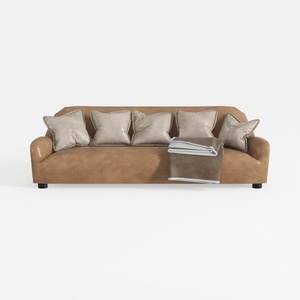

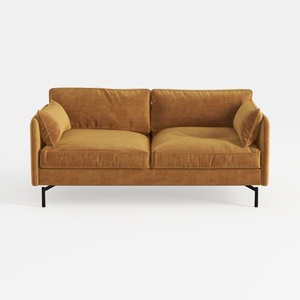
Corduroy High Resilience Sofa with 2 Pillows,57.9
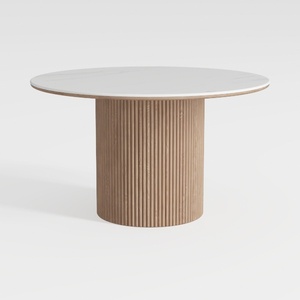
Mopio Quin Round Coffee Table with Storage, Drum A
Homestyler is your go-to online home design platform! With its easy-to-use design tool, stunning 3D renderings, and a wealth of inspiring design projects and video tutorials, you can effortlessly create and visualize your dream space—perfect for both beginners and seasoned decorators alike!
Design Now for FREE
































