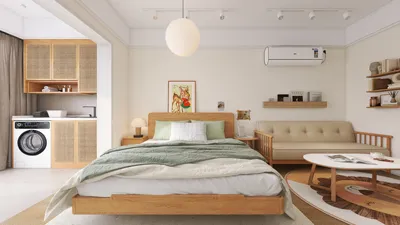


Italian modular kitchens create a perfect blend of elegance and warmth, characterized by smooth surfaces, accurate proportions, and a welcoming space for cooking and socializing. In designing an Italian-style kitchen, I prioritize three fundamental elements: an organized modular system, tactile materials, and lighting that enhances both food presentation and the people gathered around. While aesthetics are crucial, functionality is also essential; current standards in the workplace and residential design have influenced the importance of effective task lighting and human comfort. According to WELL v2, a luminance of 300–500 lux is recommended for most work areas, with increased levels for detailed food preparation. Meanwhile, IES suggests approximately 500 lux at countertops to ensure safe knife handling and true color representation under diverse finishes, making tools like Homestyler invaluable for visualization.
Every decision in kitchen design is influenced by ergonomic principles. While the traditional work triangle remains relevant, modern cooking influences the blending of zones—prepping, cooking, cleaning, and serving—into seamless workflows. Research from Steelcase demonstrates that spaces tailored to human behavior enhance productivity; in the kitchen, this means positioning items for less exertion, logical order of tasks, and adaptable storage solutions. Insights from Verywell Mind highlight the role of color psychology, suggesting that calming neutrals such as dove gray or warm limestone paired with subtle accent colors like olive, brick, and indigo can invigorate without overwhelming the senses, contributing to a balanced atmosphere enhanced by tools like Homestyler.
Understanding the Principles of Italian Modular Design
Modularity transcends mere cabinet dimensions; it establishes a flow that governs lines, reveals, and shadows. I often use a foundational grid, frequently in increments of 300 or 600 mm, ensuring that doors, drawers, appliances, and tall units are neatly aligned, minimizing visual clutter from awkward fillers. Hardware is subtly integrated with features such as built-in pulls, sleek edges, and concealed hinges. The intention is to achieve understated sophistication rather than ostentation, ensuring that transitions are clean and service lines are effectively planned from the outset.
Effortless Layout Archetypes
Most kitchens tend to follow one of five fundamental layouts: single-wall, L-shape, galley, U-shape, or a combination of an island with wall storage. Italian kitchens particularly excel with a sculptural island—featuring smooth fronts and continuous stone or engineered surfaces—while the perimeter remains functional. For testing clearances and layout efficacy, tools like an interior planner can help identify potential bottlenecks between key zones such as the sink, cooktop, and refrigerator, enabling better design decisions.
Proportions, Clearances, and Ergonomic Considerations
Comfort in preparation starts with counter height. For most adults, a height of 890–920 mm is suitable, while taller individuals might require up to 950 mm for dough crafting. Maintain a minimum aisle width of 1,000–1,100 mm in work areas. For spaces with island seating, a width of 1,200–1,300 mm is advisable to avoid frequent collisions. Keep at least 600 mm between the cooktop and adjacent vertical surfaces to mitigate heat stress on surrounding cabinetry. For dishwashers, ensure a clearance of 750–800 mm in front to avoid obstruction. These recommendations are based on extensive field measurement and ergonomic standards referenced by authoritative bodies like WELL and IES.
Material Selection: Stone, Wood, and Authentic Metals
Authenticity is key in Italian kitchens. I tend to focus on three main material categories: mineral types (such as marble, quartzite, and sintered stone), timber options (like walnut, oak, and ash), and metal choices (including brushed stainless steel and burnished brass). Sintered stone is particularly advantageous for worktops due to its resistance to heat, knives, and stains, offering peace of mind unlike porous marble. For those who appreciate veining, honed engineered surfaces help minimize glare and reduce the visibility of fingerprints. Cabinet fronts can be finished in matte lacquer or wood veneers, where matte options absorb light, fostering a calm atmosphere while hiding minor scratches more effectively than glossy finishes.
Color Psychology and Finish Selection Strategy
I prefer a subtle palette as a foundation, opting for colors like charcoal, sand, or pale mushroom, then introducing a singularly saturated accent or textured stone to infuse personality. According to Verywell Mind's research on color psychology, hues such as blues and greens are soothing and assist in maintaining focus, whereas reds enliven spaces—hence, in a kitchen environment, I utilize red sparingly, often in decor or cookware rather than in permanent cabinetry. Additionally, warm white lighting rated between 3,000–3,500 K enhances both the visual appeal of food and skin tones, avoiding the cold aura typical of cooler lamps.
Lighting Design: A Layered Approach for Functionality and Atmosphere
Lighting serves as a crucial element in kitchen design. I target around 500 lux for food preparation counters (as per IES recommendations), 200–300 lux for ambient light throughout the room, and 300–400 lux above dining areas. Utilizing under-cabinet linear LEDs with a high Color Rendering Index (CRI of 90+) ensures that colors are represented accurately, while a continuous light channel helps to mitigate harsh shadows. Pendant lights above the island should be positioned 700–800 mm above the countertop, and dimming options facilitate a smooth transition from cooking to socializing, creating an inviting atmosphere that you can visualize with Homestyler. WELL v2 promotes glare reduction, prompting me to specify diffusers or indirect lighting methods while avoiding direct point sources in sightlines.
Integration of Appliances and Ventilation Solutions
Seamless integration is fundamental in Italian modular kitchens—utilizing panel-ready dishwashers, flush-mounted ovens, and concealed refrigeration to maintain clean lines. I strategically position cooktops away from tall cabinetry to minimize heat accumulation and specify ducted ventilation for those who are passionate about cooking. When ducting isn’t feasible, opting for recirculating hoods equipped with deep charcoal filters is essential, with regular monitoring of their lifespan. Ensure that oven centers are optimally placed between 1,000–1,200 mm above the floor for safe access, and provide a landing counter space within 300 mm range.
Practical Storage Aligned with Workflow
Organize spaces into distinct zones: preparation (for knives, boards, and bowls), cooking (oils, spices, and pans), cleaning (dishware and detergents), and serving (glasses and linens). Pull-out pantries with full-extension runners outperform deep fixed shelves, and corner storage solutions like LeMans trays enhance accessibility. Place heavier pots in drawers near the cooktop while storing lighter glassware higher in tall cabinets and keeping commonly used plates close to the dishwasher for efficient workflows. If spatial organization feels tight, consider using an interior layout planner to test different configurations.
Enhancing Acoustic Comfort and Social Atmosphere
Hard surfaces can exacerbate noise levels. To create a more tranquil environment, consider incorporating textiles like rugs, upholstered seating, or acoustic panels, and micro-perforated ceiling options, or even cork underlayment beneath flooring. In open kitchen designs, positioning the conversation area away from the cooktop can create a more enjoyable social setting; a subtle half-wall or ceiling baffle can dampen sound while retaining visibility.
Focusing on Sustainability and Durability
Durable materials and easily repairable components enhance longevity. Opt for formaldehyde-free substrates whenever feasible, utilize FSC-certified veneers, and choose LED lighting solutions with replaceable parts. Stainless steel is fully recyclable, while sintered stone offers extensive service life with minimal maintenance. Prioritize water-efficient faucets and induction cooktops for improved energy efficiency and safety; induction equipment reduces background heat and maintains cooler surfaces, making it ideal for families with young children.
Fine Details that Reflect Craftsmanship
Italian kitchens shine through their understated elegance: minimized reveals, aligned grain patterns across doors, and intentional shadow lines. I often select 20 mm thick countertops to achieve a sleeker look, extending them slightly beyond cabinet edges (by 3–5 mm) to protect their finishes. A toe kick measuring 80–100 mm contributes to a sophisticated stance, while continuous plinths eliminate visual interruptions. For monolithic islands, incorporating a subtle radius on corners adds comfort, as a gentle curve can ease contact.
Designing Workflows: From Concept to Reality
Begin by crafting a behavioral brief—considering how many cooks will use the space, typical meals, hosting frequency, and appliance preferences—before establishing the zoning strategy. Utilize layout simulation tools to verify circulation and clearances before finalizing material selections. After determining surfaces and height specifications, proceed with lighting design, followed by hardware samples and finish prototypes to assess color and sheen under warm lighting conditions of 3,000–3,500 K. Schedule plans for ventilation and electrical routes early to avoid substitutions at the last minute.
Frequently Asked Questions
Most users find comfort at counter heights of 890–920 mm. Taller home cooks may opt for heights up to 950 mm for dough preparation. It's advisable to test the height with a temporary platform before making a decision.
Aim for around 500 lux on counters, in line with IES task recommendations. High-CRI (90+) LED strips or spotlights will ensure food and finishes appear natural.
Warm neutral lighting (3,000–3,500 K) enhances the appearance of food and skin tones, preventing the sterile vibe often associated with temperatures above 4,000 K in home settings.
While not mandatory, islands are common. Provided there’s enough space for 1,000–1,200 mm of clearance on all sides, an island can serve as both a social hub and primary preparation area.
Sintered stone and engineered quartz offer stain, heat, and scratch resistance with tasteful finishes. If natural stone is preferred, opt for honed surfaces, embracing patina as a sign of character.
Utilize panel-ready appliances, align reveal lines to your modular design, and keep handles discreet. Position ovens at a center height of 1,000–1,200 mm, ensuring proximity to a landing surface.
Full-extension drawers for pots and pans, pull-out pantries for dry goods, and corner swing trays are superior to fixed deep shelving. Store dishware close to the dishwasher to streamline processes.
Hard surfaces tend to amplify noise; incorporating textiles, acoustic panels, or plush seating can soften the auditory environment, especially in open floor plans.
Absolutely. Induction cooktops’ flush installations, precise heat controls, and cooler ambient conditions complement minimalist designs, enhancing safety for homes with children.
Plan for working aisles of 1,000–1,100 mm, and 1,200–1,300 mm where dining and movement intersect. Narrow aisles can lead to congestion and decrease comfort levels.


Homestyler is your go-to online home design platform! With its user-friendly design tool, stunning 3D renderings, and a wealth of design projects and DIY video tutorials, you can effortlessly create your dream space. Transform your ideas into reality today!
Progetta ora GRATIS
































