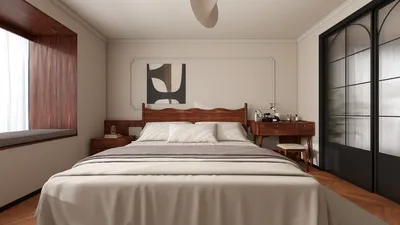


Once, I undertook the challenge of painting a compact studio for a client who had a vision for a two-tone mural alongside a gradient ceiling, all while sticking to a tight budget. This experience taught me that thorough planning is often more effective than overspending, and that even in small spaces, there is a wellspring of creativity waiting to be tapped. To help my clients grasp the final appearance prior to any paint application, I frequently advise them to use visualization techniques, such as utilizing Homestyler, to envision their space and prevent any unexpected issues.
1. Quick refresh: One color, minimal prep
For a swift transformation, applying one coat of paint over clean walls is the quickest method to rejuvenate a room. This approach is economical on a per square foot basis and minimizes stress, yet it’s important to note that underlying problems like stains or peeling will be visible unless basic preparation is done first.
2. Mid-range redo: Two coats and trim work
For most living areas and bedrooms, my preferred suggestion involves using two coats of high-quality paint alongside taped and painted trim. While this method incurs higher costs due to the investment in superior paints and careful edging, it ultimately results in enhanced durability and a polished appearance; however, this comes with an increase in both time and budget.
3. High-end finish: Custom colors and textures
If your goal is to achieve designer-level finishes — such as unique color matching, textured walls, or specialty sheens — be prepared for a higher price point. The benefit is a distinct and long-lasting outcome; the challenge lies in managing samples and possibly hiring a specialist for sophisticated techniques like Venetian plastering.
4. Small-space hacks: Save where it counts
Given that small rooms can be costly per square foot, I emphasize the significance of making informed choices: paint the ceiling the same color or one shade lighter to create an illusion of spaciousness, and focus on high-traffic areas where more durable paints are necessary. During the planning phase, I often sketch and layout a floor plan using tools like Homestyler to delineate zones, helping clients decide where to allocate funds and make savings.
5. Kitchen & bathroom specifics: Moisture matters
Kitchens and bathrooms generally incur higher costs due to the necessity of moisture-resistant paints and meticulous preparation around fixtures and cabinetry. I typically allocate extra time for trim and backsplashes; if you’re considering updates in these areas, exploring some kitchen layout ideas can assist in harmonizing colors with your cabinetry and countertops.
FAQ
Q1: What is the average cost per square foot for painting the interior of a house?
A: Generally, the cost ranges from $1 to $3 per square foot for basic jobs, but for mid to high-end finishes, it typically runs between $3 and $6 per square foot, depending on the type of paint and preparation needed.
Q2: How much should I budget for painting the interior of a 1,000 sq ft home?
A: For a basic project, you can expect to spend around $1,000–$3,000; however, for higher quality paints and more thorough preparation, budget between $3,000 and $6,000. Local labor rates and ceiling heights can also affect the overall costs.
Q3: Can I save money by doing it myself?
A: DIY efforts can significantly cut down on labor expenses, but this approach requires time and skill, so the final outcome will depend on your ability. I recommend DIY for one-off rooms or straightforward updates, while more complex tasks, such as textured finishes or intricate trims, are better left to professionals.
Q4: To what extent does paint quality influence cost and longevity?
A: While premium paints do demand a higher initial investment, they provide better coverage and durability, often resulting in reduced maintenance and fewer touch-ups in the long run. Particularly for high-traffic areas, I suggest opting for robust, washable formulas.
Q5: Do ceilings and trim significantly increase costs?
A: Absolutely — since ceilings and trim require additional paint and more precise work, this increases both labor time and expenses. Plan to allocate an extra 10–25% of your budget if you intend to paint these areas along with doors and ceilings.
Q6: How long can I expect an interior paint job to take?
A: Typically, painting a single room can take between 1 to 3 days, inclusive of preparation and drying times; undertaking an entire home will take longer. Efficient scheduling and proper drying times are essential to avoid needing rework.
Q7: Where can I locate reliable data on costs?
A: For accurate national averages and detailed breakdowns, platforms like HomeAdvisor are worthwhile—providing current cost ranges and contractor listings. HomeAdvisor specifically reports on common interior painting costs and regional variations.
Q8: What strategies can I employ to receive accurate quotes from painters?
A: Request itemized quotes that separate the costs of preparation, paint, and labor, ask for references or visual evidence of previous work, and confirm the brand and sheen of paint included; having a clear scope helps avert surprises.
Homestyler is an exceptional online home design platform that empowers you to create stunning interiors effortlessly. With its user-friendly design tool, impressive 3D renderings, and a wealth of DIY video tutorials, transforming your home has never been easier. Unleash your creativity today!
Progetta ora GRATIS
































