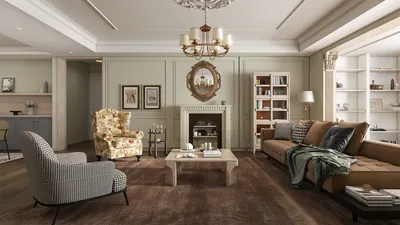


I once worked with a client who envisioned their living room being painted in three sunset-like shades -- a lovely concept but quite labor-intensive when it came to pricing. I chuckled, sketched a few ideas, and realized just how minimal color preparation and selection can lead to inflated costs. To effectively visualize the layout before finalizing any paint choices or expenditures, we utilized Homestyler, a tool that ultimately saved us considerable time and money on that project. In smaller areas, creativity knows no bounds, and having a well-thought-out plan helps maintain budget control.
1. Grasp the realistic cost ranges
From my experience, the price for painting an entire interior can vary significantly. For a compact home around 1,000–1,500 sq ft, you might encounter costs anywhere from $1,000 to $5,000, influenced by factors such as square footage, number of coats required, paint quality, and preparation needed. Be prepared for the estimate to increase with trim, ceilings, and cabinetry work; while they enhance appearance, they also add to the expense.
save pin
2. Impactful accent walls and treatments
Creating an accent wall or employing color blocking can offer a significant design impact without a hefty price tag — generally only requiring additional paint and a couple of hours of labor. While the payoff for visual enhancement is substantial, the challenge lies in ensuring crisp edges, which could add extra time for professional-quality tape work or stenciling.
save pin
3. Two-tone rooms and contrasting trims
Utilizing different colors for wall sections or contrasting trim can elevate a room's aesthetic. Although this may slightly increase costs due to the attention to detail required, it often pays off in terms of resale potential and style. If you find yourself on a tighter budget, consider painting the trim first with a durable semi-gloss finish and delaying wall color updates for a later date.
save pin
4. Ceilings and specialty finishes
Changing the color of the ceiling or adding a subtle metallic finish can make a room feel truly unique. However, be mindful that this may involve more ladder work and often requires specialty products, leading to an increase in costs by 10–30% compared to standard jobs. In small spaces, the visual benefit can be immense, but for larger open areas, expenses can increase rapidly.
save pin
5. Durable finishes for high-traffic areas
Opting for washable, durable paints in commonly used spaces such as hallways, kitchens, and children's rooms may involve a higher upfront cost but can significantly minimize maintenance and repainting frequency. There is a trade-off, as premium paints might add an additional 20–50% to material costs, but they prove to be a smart investment for anyone who values longevity.
When planning a project, it's crucial to ask homeowners if they intend to handle any of the preliminary work or trim installations themselves. Even minor DIY tasks like sanding or filling holes can cut down on labor costs, but poor preparation remains the leading cause of premature paint job issues.
For those who appreciate visualizing designs before making a commitment to paint, I recommend tools like Homestyler, which allow for a seamless view of colors in context; this eliminates guesswork when comparing options and minimizes the need for revisions. Utilizing such tools can alter both your cost estimates and layout decisions when planning the flow and finishes in your kitchen.
save pin
Tips 1:
A budgeting guideline I adhere to suggests estimating around $1.50–$4.00 per square foot for professional interior painting services, covering both materials and labor. Adjust your estimates upward for premium paint selections, ceiling work, or areas requiring significant preparation. Always obtain at least three detailed quotes from contractors, ensuring they break down costs for prep work, coats of paint, and paint brands.
save pin
FAQ
Q1: What is the typical cost for interior house painting?
On average, homeowners can expect to spend around $1,000 to $5,000 for interior painting, which fluctuates based on home size, quality of paint, and preparation needed. Larger homes or higher-end finishes might incur even more costs.
Q2: What are the costs associated with painting per square foot?
Anticipate prices in the range of approximately $1.50 to $4.00 per square foot for standard professional jobs; however, prices can vary by region and based on the thoroughness of surface preparation required.
Q3: Is it more economical to do it yourself or hire professionals?
While undertaking the job yourself can save on labor costs, it may take more time and present risks of a less durable finish. For complex tasks or those seeking immediate, pristine results, I advise hiring professionals.
Q4: How does paint quality affect expenses?
Investing in higher-quality paints may raise material costs by 20–50%, but they frequently require fewer coats and are more resistant to stains — ultimately reducing long-term maintenance costs and enhancing value.
Q5: What is the typical duration for an interior paint job?
Most single-room painting projects can be completed within 1 to 3 days, while painting a small house might take 3 to 7 days. Intricate finishes or considerable preparation work can extend these timelines.
Q6: Can I receive accurate estimates without a contractor visiting in person?
Many contractors can offer rough estimates based on photos and measurements, but an in-person evaluation is strongly recommended for precise quotes, particularly for hidden preparation requirements like drywall repairs.
Q7: Where can I access reliable cost information?
Industry-leading resources such as HomeAdvisor present current average costs and detailed breakdowns (visit HomeAdvisor: https://www.homeadvisor.com/cost/painting/ for reference).
Q8: Any quick tips for reducing paint expenses?
Choose mid-grade paints that effectively balance cost and durability. You can also focus on painting high-impact rooms first, handle simpler prep work yourself, and combine rooms of the same color to minimize material waste.
save pin
Homestyler is an outstanding online home design platform that makes it easy to create your ideal space. With its user-friendly design tool, stunning 3D renderings, and a wealth of DIY video tutorials, you can effortlessly explore and execute your home design vision.
Zaprojektuj teraz za darmo
































