

Key Insights
Understanding the Distinction: Design Versus Decorating
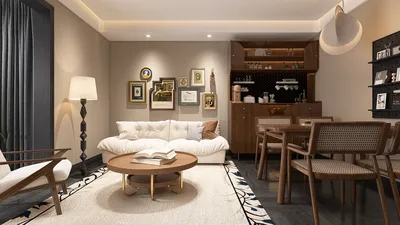
Many homeowners often mix up the terms "interior design" and "interior decorating," thinking they're simply different phrases for the same thing. However, this confusion can lead to costly errors: hiring a decorator who lacks experience in spatial arrangements, or seeking a designer for trivial updates can waste both time and money. Real-world visual examples illustrate how professionals effectively bridge the technical aspects of space planning with aesthetic enhancements. My experience has shown that the right choice depends less on personal taste and more on the project's requirements and regulations—a subtlety that is often overlooked in most online guidance. Utilizing tools like Homestyler can aid in solidifying decisions when evaluating design options.
What Are the Responsibilities of an Interior Designer?
Interior designers go beyond simply picking out wall colors and furniture pieces. Their scope of work includes spatial planning (such as removing walls, positioning windows, and creating electrical plans), ensuring adherence to building code standards, crafting lighting designs, and at times, overseeing custom construction projects. They utilize advanced tools for both 2D/3D layouts and must pass necessary inspections. This professional career is typically backed by degrees and certification, focusing on functional coherence rather than just visual appeal.
In What Ways Does Decorating Differ From Design?
Decorators specialize in enhancing existing spaces. They develop color schemes, select fabrics, pick accessories, and give a home a fresh appearance without engaging in any substantial construction work. Unlike designers, decorators do not make changes to the layout or structural elements of a room. The results they deliver are both noticeable and immediate—ideal for aesthetic improvements, seasonal updates, or preparing homes for sale. Adjusting the surface features of a room for a style revamp highlights their focus on enhancing beauty at a superficial level rather than altering spatial configurations, often using tools like Homestyler for visual reference.
When Is It Crucial to Hire a Designer Instead of a Decorator?
Whenever a project involves building permits, extensive renovations, reconfiguring kitchens or bathrooms, or altering traffic patterns within a space, hiring an interior designer is essential. They are educated on health, safety, and welfare regulations—consider how a kitchen renovation that requires new plumbing layouts involves a designer’s knowledge. Mistaking a decorator for a designer in these situations could jeopardize safety and functionality.
What Skills Overlap Between Designers and Decorators?
Both professions require a strong sense of aesthetics, visual continuity, and the ability to interpret client desires. In practice, many designers also provide decorating services, thereby merging the two roles—especially for smaller-scaled projects. Yet, a certified designer maintains accountability for a cohesive vision from practical structure down to the finishing touches.
Why Are Certification and Licensing Important?
In various states, designers are typically required to hold a degree in interior design and may need licensure for commercial or structural residential tasks—unlike decorators. According to data from Statista, proper qualifications ensure compliance with safety codes, ultimately safeguarding homeowners from serious risks and future legal challenges.
What Hidden Expenses May Arise From Choosing the Incorrect Professional?
It’s easy to overlook the hidden expenses that result from mismatched expertise: hiring a decorator for a complicated remodel could mean lack of insurance, missed critical planning steps, or delays that necessitate a designer's intervention. Alternatively, employing a designer for minor aesthetic changes can unnecessarily inflate your budget. Aligning the selection of your expert with the project's specific needs remains a topic that isn’t adequately addressed in most general advice.
How Can Technology Improve the Process?
Today’s digital planning tools allow homeowners to visually experiment before making hiring decisions. Interactive platforms provide opportunities to preview both structural modifications and decorative schemes—minimizing guesswork and streamlining timelines. Tools like Homestyler help illustrate room concepts, effectively narrowing the expectations between clients, designers, and decorators more successfully than ever before.
Summary
The fundamental difference between interior design and decorating lies in their depth: design delves into structural function and compliance, while decorating enhances surface aesthetics. Making an incorrect choice can delay projects and inflate budgets, so it's crucial to align the expert with the needs of your project regarding depth and regulatory considerations.
Frequently Asked Questions
What distinguishes an interior designer from an interior decorator?
Designers focus on function, safety, and structure, while decorators emphasize aesthetics such as colors, furniture, and fabrics.
Are interior decorators capable of performing renovations?
No. Renovations that involve layout, plumbing, or structural changes necessitate the skills of professional designers with proper training.
Who is responsible for ensuring compliance with building codes?
Interior designers—and not decorators—are the experts trained to adhere to local codes and safety standards.
When is it appropriate to hire an interior decorator?
For projects that involve cosmetic updates, such as paint, textiles, or decor items, a decorator is the right choice.
Is certification mandatory for decorators?
No. Decorators do not require formal education or licenses, while most states mandate that designers obtain certification.
Can interior designers also handle decorating tasks?
Indeed, designers can manage decorating activities, but their expertise extends to functional, spatial, and safety concerns as well.
Does hiring a designer generally cost more?
Typically, yes, but the investment is warranted for complex projects requiring structural work or safety compliance.
What pitfalls might occur if I select the wrong professional?
You could encounter code violations, exceed your budget, or yield unsatisfactory results, which underscores the necessity of clear role definitions.
Citations
Looking to transform your home? Homestyler is your go-to online design platform! With its user-friendly design tool, impressive 3D renderings, and a wealth of inspiring design projects and video tutorials, you can effortlessly create your dream space—no experience needed!
تصميم الآن مجانا
































