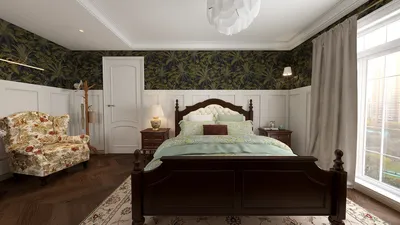


Throughout the years, dark wood furniture has consistently maintained its place in design trends, continuously adapting to new styles. Currently, we're witnessing a blend of sleek lines, layered textures, and organic hues. As someone who has crafted numerous living room designs, I understand how small spaces compel imaginative thinking. In this article, I will present 10 inspiring design ideas that merge my personal experiences with advice from industry professionals to help you elevate dark wood furniture as the centerpiece of your living room using tools like Homestyler.
1. Minimalist Accents with Dark Wood
Personal Insight: In my recent apartment renovation, I complemented a refined dark walnut coffee table with bright white walls and a singular, striking plant. This contrast created an atmosphere that was both serene and elegant.
Advantages: Minimalist accents allow dark wood to shine, fostering a clean and airy ambiance even in compact living spaces. Architectural Digest highlights that the balance of open space and rich tones enhances the perceived size of the room.
Disadvantages: If not executed thoughtfully, the styling may come off as stark or frigid, particularly if personal elements like art or fabrics are lacking.
Suggestion: Incorporate a soft rug to mitigate the visual heaviness.
2. Layered Textiles for Warmth
Personal Insight: I once worked with a client who had a mahogany sofa frame. We added linen throws and patterned cushions in vibrant mustard and beige tones, creating an inviting contrast against the darker wood.
Advantages: Mixing various textures can soften the weight of dark wood and infuse comfort into your space. Medium to high-pile rugs are particularly effective.
Disadvantages: Overuse of patterns can make the design seem chaotic; it’s important to maintain focus on the furniture.
Consider how layered textiles over robust wood constructs provide visual dynamism without chaos.
3. Brass & Gold Accents
Personal Insight: In one project, I elevated a client's oak coffee table by integrating brass handles on complementary side tables, instantly enhancing the glamour of the space.
Advantages: Brass and gold accents bring warmth to dark wood tones, creating a feeling of luxury that remains approachable.
Disadvantages: It’s easy to overdo metallic accents; too many can result in a gaudy appearance.
Design Tip: Keep metallic elements to a minimum; consider using them for lamp bases or table legs.
4. Monochrome Palette with Dark Wood
Personal Insight: While designing a modern loft, I used a rich chocolate wood TV console as the focal point and incorporated varying shades of grey to maintain balance.
Advantages: A monochrome design harmonizes dark wood with contemporary aesthetics, particularly in open-concept living areas.
Disadvantages: A lack of color variety might lead to a flat appearance.
5. Glass Elements for Lightness
Personal Insight: I paired a dark acacia coffee table with a clear glass top in a narrow living room to alleviate the cramped feeling.
Advantages: Glass surfaces counterbalance the visual weight of dark wood, enhancing light reflection and creating a more spacious ambiance.
Disadvantages: Glass requires frequent upkeep; marks and smudges are more noticeable.
You can see how glass accents complement solid frames when organized effectively using tools like Homestyler.
6. Mid-Century Modern Mix
Personal Insight: I love to blend dark teak furniture with slender, tapered legs and sleek sofas; this approach adds a hint of retro charm without going overly vintage.
Advantages: This style highlights the natural grain of dark wood while maintaining a lightweight visual profile.
Disadvantages: Authentic mid-century pieces can be pricy and challenging to find.
7. Statement Wall Art
Personal Insight: In one project, a floor-to-ceiling charcoal painting above a dark wood console dramatically elevated the overall space.
Advantages: Statement art draws attention upwards, balancing the horizontal weight of large wooden items.
Disadvantages: Incorrect scaling or color palette could clash with your furniture’s tone.
8. Lush Greenery Backdrop
Personal Insight: I placed a tall fiddle leaf fig beside a deep wood bookshelf. The vibrant green enhanced the richness of the dark wood.
Advantages: Plants introduce life and color contrast, accentuating the depth of dark furniture beautifully.
Disadvantages: Plant care requires attention; wilting plants can disrupt your aesthetic.
9. Combining Dark & Light Woods
Personal Insight: For a client’s living area, I mixed a wenge sofa table with ash wood shelving. The contrasting hues created an intriguing visual layer.
Advantages: Juxtaposing wood tones can yield a curated vibe, allowing each piece to make a statement.
Disadvantages: Mismatched tones can seem accidental if not properly balanced.
Observe how different wood tones can work together in harmony without falling into monotony.
10. Cozy Lighting with Dark Wood
Personal Insight: In my own residence, I utilized warm LED floor lamps to cast a golden glow over a dark oak media unit, creating the ideal evening retreat.
Advantages: Soft, warm lighting enhances the natural richness of wood and fosters an inviting atmosphere.
Disadvantages: Insufficient lighting may render dark wood heavier and the space more constricted.
Conclusion
Limited living spaces do not restrict your design choices — they simply demand more thoughtful consideration. Dark wood furniture can serve as both a grounding element and a versatile feature when styled with care. As noted by Elle Decor, achieving balance is vital: combining rich tones with lighter or reflective accents can provide much-needed visual relief. Which of these ten concepts would you consider implementing in your own living room?
FAQ
1. Is dark wood furniture outdated for living rooms? Not at all — dark wood continues to be a timeless choice, especially when paired with modern styles.
2. How can I make a small living room with dark wood feel more spacious? Employ light wall colors, reflective surfaces, and maintain minimal clutter to expand the sense of space.
3. What colors best compliment dark wood furniture? Soft neutrals, muted greens, and warm metallics work harmoniously with rich wood tones.
4. Does dark wood suit modern design? Absolutely. Pairing it with sleek shapes, glass, or metallic accents creates a contemporary vibe, according to experts at Houzz.
5. How do I mix dark and light woods within a single space? Ensure similar undertones (warm with warm, cool with cool) to maintain harmony.
6. How critical is lighting with dark wood furniture? Extremely. Adequate lighting prevents feelings of confinement and highlights the wood grain beautifully.
7. Can I pair dark wood with bold fabrics? Certainly — just make sure the patterns don't overshadow the natural beauty of the furniture.
8. Do plants complement dark wood furniture? Definitely. The vibrant green adds an energizing contrast to rich tones.
Homestyler is a fantastic online home design platform that empowers you to unleash your creativity. With its user-friendly design tool, stunning 3D renderings, and a wealth of design projects and video tutorials, transforming your living spaces has never been easier or more enjoyable!
Design Now for FREE
































