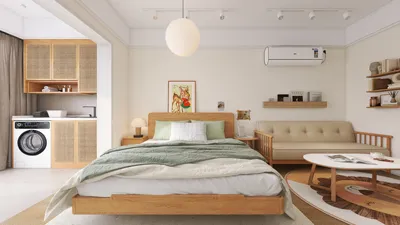


I once attempted to create a watery ombré design in a narrow hallway for a client, only to have a curious cat stroll right through the wet paint — the paw print left behind is forever etched in my memory! Working in compact spaces with water-based paints can lead to dramatic yet slightly chaotic outcomes, but it's where delightful surprises often arise. I even utilize straightforward room layouts to plan for drips that appear intentional rather than accidental. In this article, I'm excited to share 5 inspiring wall art ideas utilizing water paint that I've successfully tested in real homes, highlighting what works, common pitfalls for designers, and tips for maintaining neatness throughout the process.
1. Gentle Ombre Wash
The ombre wash has become my favorite technique when I want to add atmosphere to a wall without making a permanent commitment: simply dilute your water-based paint and blend it from the top down for a smooth gradient. This method brightens up small areas and conceals minor flaws; however, achieving an even blend requires a steady hand and a lot of patience — I've even salvaged an uneven spot with a fan brush while distractingly focusing on my coffee table.
2. Botanical Silhouettes
Using leaf stencils and a diluted pigment helps me craft graceful plant silhouettes that transform a city studio into a serene oasis. This approach is beginner-friendly and works perfectly for rental spaces since removable stencils are more considerate, but be cautious of overspray and always test paint opacity on a sample before starting.
3. Geometric Watercolor Blocks
By combining masking tape and translucent washes, you can achieve a contemporary look that also features painterly textures. I like to outline shapes on the floor to ensure proportions are just right for different layouts, then apply varying water ratios to each block for added depth. This technique can give off an expensive vibe while being budget-conscious; however, it requires high-quality tape and precise timing for those crisp edges.
4. Salt and Splatter Texture
For a more organic, tactile finish, sprinkle coarse salt over semi-wet paint or use a flicking motion with diluted paint for controlled splatter. Clients often remark that the end result resembles a stylish boutique hotel finish. This method is cost-effective and visually striking, though it can lead to a bit of a mess and will need sealing if often touched.
5. Layered Glaze Mural
Creating layers of thin glazes can yield a depth that feels almost like fabric on your walls; I applied this technique in a snug dining nook to introduce warmth without darkening the space. While this process is time-consuming and demands a delicate touch, it rewards you with a richly textured surface that's surprisingly forgiving in smaller areas. If you're seeking fresh modern design inspiration, I frequently reference digital design tools like Homestyler to draft my concepts.
FAQ
Q1: Which type of paint works best for water paint wall art?
A: Opt for high-quality water-based acrylic or latex paints that are specifically formulated for walls; they mix well with water and adhere nicely. Always test your colors and dilutions on a sample board before applying them to your entire wall.
Q2: Should I prime the wall beforehand?
A: Absolutely — a clean, primed surface guarantees even absorption and true color representation. For newly drywall or repaired areas, utilize a stain-blocking primer to avoid unsightly blotches.
Q3: Is it feasible to apply water paint wall art in kitchens or bathrooms?
You can certainly use water paints in these spaces, but select those with mildew resistance and apply a protective water-resistant topcoat to ensure longevity in humid areas. Adequate ventilation and a robust topcoat will enhance the lifespan of your design.
Q4: How can I protect and seal my water-based wall art?
A: Once your paint is completely cured, apply a clear, non-yellowing acrylic sealer or polycrylic; this adds abrasion resistance and simplifies cleaning. Always test the sealer on a sample to verify it does not impact the sheen of the finish.
Q5: Is water paint safe for indoor use?
The majority of contemporary water-based paints have low VOC levels, making them safer compared to solvent-based alternatives. For specific guidance, refer to the U.S. Environmental Protection Agency's recommendations on indoor air quality (https://www.epa.gov/). Maintaining good ventilation while painting is crucial too.
Q6: What essential tools should a beginner purchase?
Begin with a few brushes (flat, round, fan), a roller for base layers, painter’s tape, and sample boards. You don’t need expensive tools to achieve professional-looking results as long as you focus on technique and layering.
Q7: What is the estimated cost for a small water paint wall art project?
For materials, budget between $30 and $150 for a small wall, depending on the paint brand and sealer; if you're hiring a professional, labor costs may vary. I often cut costs by using leftover paints and basic tools to create striking effects.
Q8: Where can I find layout assistance or visual mockups?
If you're looking to visualize your designs before painting, consider using digital mockups at scale, or explore online case studies of kitchen layout ideas and other interior designs. This helps align your artwork with existing furniture and lighting.
Discover your home's potential with Homestyler! This user-friendly online design platform offers an intuitive tool for creating stunning interiors, along with impressive 3D renderings and a wealth of DIY video tutorials. Transform your space and unleash your creativity effortlessly!
Design Now for FREE
































