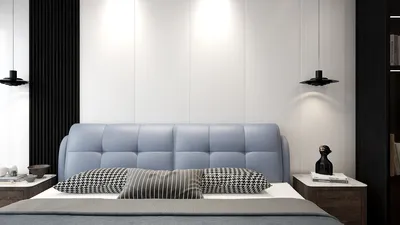


In the past few years, wall sconces have emerged as essential elements in transforming the ambiance of a living room. Beyond mere illumination, when selected with care, they serve as striking architectural accents. I have noticed that smaller spaces particularly encourage a more innovative approach to lighting design. Here, I’m excited to share ten inspiring wall sconce concepts that I have implemented in real projects, combining my personal insights with current expert trends and data.
1. Minimalist Brass Wall Sconce
Personal Experience: I utilized a pair of sleek brass sconces on either side of a bookshelf in a compact apartment. The result was understated yet significantly enhanced the room's sophistication.
Advantages: Minimalist sconces integrate seamlessly into various decor styles while contributing a touch of elegance. Over time, brass develops a beautiful patina that adds unique character.
Disadvantages: Brass can be prone to showing fingerprints and might need periodic polishing.
Tip: Combine with warm LED bulbs for a cozy golden illumination.
2. Adjustable Arm Sconces
Personal Experience: These are superb for reading nooks. In one instance, we installed an adjustable sconce above a vintage leather chair to allow the client to direct the light perfectly for reading.
Advantages: Their adaptable positioning makes them ideal for task lighting. They also conserve side table space, essential in smaller rooms.
Disadvantages: Certain models may have visible cords that need concealing.
For a detailed view of how I utilized this in an industrial loft with strategic lighting layers, take a look at this case study.
3. Glass Globe Wall Sconce
Personal Experience: I enjoy incorporating glass globes when aiming for a modern touch. In a coastal home, the transparent globes beautifully mirrored the ocean vista.
Advantages: Clear glass maximizes light output and pairs well with Edison or filament bulbs, achieving a vintage-modern aesthetic.
Disadvantages: Glass fixtures necessitate regular cleaning to maintain clarity.
4. Double Light Swing Arm Sconce
Personal Experience: I installed one above a lengthy sofa, providing each end with its own reading light. Clients appreciated the visual symmetry it created.
Advantages: Excellent for sectional sofas or elongated seating areas and often replaces the need for multiple sconces.
Disadvantages: Installation can be slightly more complex due to additional wiring requirements.
5. Plug-in Wall Sconces for Renters
Personal Experience: Not all clients own their homes, leading me to seek stylish plug-in sconces that eliminate the need for extensive electrical work.
Advantages: Ideal for renters; they’re easy to set up and remove, leaving walls undamaged.
Disadvantages: The visible cord must be styled or hidden for a neat appearance.
6. Sculptural Wall Sconce
Personal Experience: I've occasionally treated sconces as art objects—once, I installed a geometric folded-metal sconce that became the room's focal point.
Advantages: Provides an artistic statement; it serves dual purposes as ambient lighting and decor.
Disadvantages: Often prioritizes form over function, making them less effective as task lighting.
Curious about how dramatic forms can enhance small spaces? Check out this playful open-plan living area design for some creative inspiration.
7. Candle-Style Sconce
Personal Experience: I frequently incorporate these in traditional or rustic living rooms, imparting an old-world charm that is both warm and timeless.
Advantages: Suited for classical interiors; can be wired for actual candles or purely decorative with LED options.
Disadvantages: They don't provide the brightness typical of modern bulb styles for task lighting purposes.
8. Black Matte Finish Sconce
Personal Experience: In a Scandinavian-inspired apartment, matte black sconces provided a stark contrast against white shiplap walls, creating visual interest.
Advantages: Offers a strong modern aesthetic and is versatile enough to work with both monochrome and vibrant color palettes.
Disadvantages: Matte finishes may be susceptible to dust accumulation.
9. LED Backlit Wall Panel Sconce
Personal Experience: For a tech-savvy client, I integrated LED backlighting into a wall panel, creating a sleek sconce feature.
Advantages: Energy-efficient, dimmable, and can adjust color temperature for various moods.
Disadvantages: Installation typically requires professional help, and the initial cost can be higher.
For a glimpse of how layered LED accents transformed a compact living space, explore our case study.
10. Fabric Shade Sconce
Personal Experience: In one snug living room, fabric shades diffused the light, making movie nights feel incredibly inviting.
Advantages: This type of sconce provides warm, soft lighting while contributing texture to the wall space.
Disadvantages: Fabric can fade over time or accumulate dust, necessitating periodic cleaning.
Tip: Opt for washable shades or those with removable covers to keep them looking fresh.
Conclusion
Having a small living area does not mean sacrificing style; it simply requires smarter lighting choices. Wall sconces not only optimize space but also highlight architectural features and enhance mood. The IES Lighting Handbook supports this idea, noting that layered lighting can improve both functionality and comfort. Which wall sconce design would you be excited to try in your home using tools like Homestyler?
Frequently Asked Questions
Discover the ease of home design with Homestyler! This user-friendly platform offers a powerful online design tool, stunning 3D renderings, and a treasure trove of DIY video tutorials. Whether you're planning a renovation or just exploring ideas, Homestyler makes transforming your space simple and inspiring!
立即免费设计
































