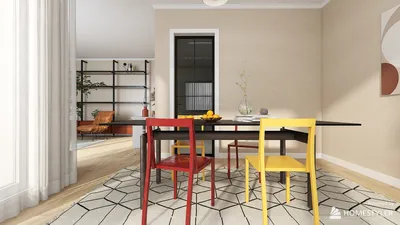


Recently, I've observed a surge of interest in Shabby Chic decor ideas for living rooms—a style that beautifully intertwines vintage charm with contemporary comfort. Having redesigned numerous small and inviting spaces, I can confidently say that compact living rooms often inspire the most significant creativity. In this article, I will guide you through 10 inspiring concepts, blending my personal design insights with trends backed by experts that you can easily implement at home using tools like Homestyler.
1. Soft Pastel Color Palette
My Perspective: I find that starting with gentle pastel tones really enhances a Shabby Chic living room—imagine soft blues, blush pinks, and creamy whites. These colors instantly create a calming atmosphere and evoke a sense of nostalgia.
Advantages: Pastels can make a small living area feel light and spacious, a favored approach in designing small spaces. The American Institute of Architects notes that these soft color schemes can visually expand confined areas.
Disadvantages: Light hues can easily reveal stains, so it's wise to invest in easily washable covers or robust area rugs.
Advice: Layer similar tones for a unified yet rich aesthetic. For instance, I once combined pale lavender curtains with subtle grey walls, resulting in a soothing and elegant harmony.
2. Distressed Wood Furniture
My Take: One of my favorite moments was salvaging a rugged wooden coffee table and applying a whitewashed finish. It became the centerpiece of my Shabby Chic living room, exuding character.
Benefits: It brings in vintage charm and pairs exquisitely with floral textiles, enhancing that cozy cottage essence.
Drawbacks: Overdoing distressed styles can lead to a shabby appearance in an undesirable way—striking a balance is crucial.
Explore examples featuring textured wood accents in vintage-inspired settings to see how they elevate a room's appeal.
3. Floral Upholstery and Cushions
My Experience: I frequently use floral fabrics to infuse personality. Recently, I rejuvenated a client's tired sofa with rose-patterned slipcovers—what an instant charm boost!
Pros: Floral designs lend timeless, feminine details to a neutral setting.
Cons: An overload of busy patterns can be overwhelming, so I tend to balance them with solid throws or rugs.
4. Vintage Mirrors
My Perspective: An antique mirror above the mantel can be transformative. I once placed a lightly foxed gilt mirror in a dimly lit room, and it significantly increased the light sensation.
Benefits: Mirrors reflect light beautifully and enhance elegance; they’re particularly valuable in small living areas where brightness is needed.
Drawbacks: Genuine vintage mirrors can be pricey; replicas may not carry the same appeal.
5. Layered Textiles
My Strategy: Layering throws, area rugs, and cushions is essential for achieving that signature Shabby Chic look. It's one of my go-to techniques for clients in cooler climates.
Advantages: It adds warmth, comfort, and a rich, dimensional feel that seems personal and inviting.
Disadvantages: An excess of layers can accumulate dust—something to consider if you have allergies.
For instance, combining linen drapes with crochet throws creates a stunning balance of textures.
6. Whitewashed Brick Walls
My Experience: I transformed an outdated brick fireplace using a thin whitewash technique. It lightened the space and reduced heaviness.
Pros: It harmonizes rustic charm with elegance, serving as a versatile backdrop for both modern and vintage elements.
Cons: This change is permanent—reversing it may be challenging if you wish to alter your design later.
You can find inspiration for applying light-toned brick feature walls that add warmth and layered style.
7. Antique-Chic Lighting
My Insight: Thoughtfully curated lighting is crucial. I restored a crystal chandelier for my studio apartment, enhancing elegance while remaining suitable for the small area.
Pros: Lighting functions as jewelry in the room, amplifying the vintage appeal.
Cons: Antique fixtures might require rewiring, which could lead to added expenses.
8. Open Shelving with Curated Decor
My Take: I utilize open shelving to showcase collected china, cherished books, and unique finds. It narrates a story about the residents.
Pros: It adds character to walls while serving practical purposes.
Cons: Regular dusting and careful arrangement are necessary to prevent clutter.
9. Slipcovered Sofas
My Preference: I’m a huge fan of slipcovers—once, I revived a tired couch with a crisp white linen slipcover, giving it a relaxed and breezy look.
Benefits: They are easy to clean and can be swapped out seasonally; perfect for Shabby Chic themes.
Drawbacks: If not tailored correctly, loose fits may appear sloppy.
Observe how natural fabric textures can introduce warmth even beyond the kitchen space.
10. Mix & Match Frames
My Approach: I often create an arrangement of mismatched picture frames on a single accent wall—it feels eclectic yet cohesive if you stick to a harmonious color scheme.
Pros: It injects personality without a substantial financial investment, beautifully complementing the Shabby Chic aesthetic.
Cons: Without careful composition, it can appear chaotic.
Conclusion
Ultimately, small living areas do not equate to limited possibilities—they simply require more intentional Shabby Chic design. As Elle Décor emphasizes, combining vintage and modern elements holds the key to timeless allure. Which of these 10 decorating strategies will you implement first?
Frequently Asked Questions
1. What characterizes Shabby Chic style?
It's a design style that merges vintage and weathered elements with soft hues and cozy textures for a romantic, lived-in appearance.
2. Is it feasible to implement Shabby Chic in a compact living room?
Definitely—utilizing light colors and multifunctional furniture optimizes limited spaces.
3. What are the best colors for Shabby Chic living rooms?
Pastels, off-whites, and muted neutrals are ideal; these shades visually open up the area (according to the American Institute of Architects).
4. Where can I find affordable vintage furniture?
Flea markets, thrift shops, and estate sales often yield unique, budget-friendly finds.
5. Are floral prints essential for Shabby Chic?
No, while they impart a classic feel, they can be balanced with solid colors.
6. How should I maintain distressed furniture?
Regular dusting and using gentle cleaners will help preserve their finish.
7. Can I blend Shabby Chic with modern décor?
Absolutely, pairing streamlined sofas with vintage accents keeps the aesthetics fresh.
8. Must the décor remain symmetrical?
Not at all—asymmetry can enhance the cozy, curated essence of Shabby Chic décor.
Discover the magic of home design with Homestyler! This user-friendly platform offers an intuitive online design tool, stunning 3D renderings, and a wealth of inspiring design projects and DIY video tutorials. Perfect for turning your creative ideas into reality—start designing your dream space today!
Design Now for FREE
































