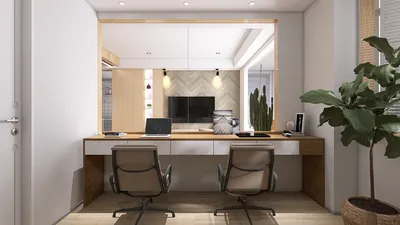


A client once requested that we display a set of deer antlers above a standalone tub in an urban setting. I was initially hesitant, but we found a clever and tasteful way to incorporate them, transforming the potentially tacky into something charming. This experience underscored for me that small bathrooms often spark significant creativity and that a thoughtfully placed rustic feature can convert a confined area into a beautifully tranquil spa-like retreat. For those delving into rustic bathroom decor, here are five ideas I frequently implement (I even draft a quick rustic bathroom redesign concept during our first meeting).
1. Reclaimed wood vanity paired with floating shelves
Using reclaimed wood instantly infuses warmth and character into the space. I have crafted vanity tops from salvaged beams and installed slim floating shelves to maintain an airy feel. If sourced locally, it's budget-friendly. However, it's essential to seal the wood meticulously to guard against humidity—marine-grade varnish is what I always suggest for lasting durability.
save pin
2. Matte black fixtures combined with a farmhouse sink
Matte black faucets and hardware provide a modern yet sturdy aesthetic against a classic white farmhouse sink. This contrast gives a thoughtfully rustic feel without crossing into kitsch territory. The downside includes visible soap smudges and limescale issues in hard water regions, so establishing a regular cleaning routine or a soft water approach is advisable to keep the look sharp.
save pin
3. Natural stone tiles complementing a pebble shower floor
Stone tiles contribute texture and an outdoor feel. When paired with a pebble floor, they evoke the cozy ambiance of a cabin shower. While these materials can be more expensive and heavier (necessitating structural evaluations), I typically use Homestyler to create a photo-real 3D preview to gauge how light and grout colors will interact before placing any tile orders.
save pin
4. Warm brass accents and vintage mirrors
Warm brass or aged bronze hardware softens rustic edges while introducing a touch of glamour; an oxidized brass mirror frame can serve as a stunning focal point. The trade-off here is upkeep—some clients enjoy the developing patina, while others prefer a polished look. It’s best to decide on this aesthetic preference beforehand.
save pin
5. Incorporating greenery, recessed niches, and layered lighting
Adding plants, a recessed niche by the shower, and layered lighting creates a deliberate and inviting feeling in a small rustic bathroom. To ensure color harmony and test different moods, I often utilize Homestyler for conceptualizing which plant finishes and wall colors will complement reclaimed wood or stone. It's a fantastic method to steer clear of costly mismatches.
save pin
FAQ
Q1: What paint colors are ideal for a rustic bathroom?
A: Earthy shades such as warm greys, soft olives, and mineral beiges are reliable choices; they harmonize beautifully with wood and stone while maintaining a serene vibe in the compact space. For those who enjoy contrast, a deep navy accent wall looks stunning alongside brass fixtures.
Q2: Is it safe to use reclaimed wood in bathrooms?
A: Absolutely, provided it’s appropriately treated—de-nailed, cleaned, and sealed with moisture-resistant finishes. It's better to avoid untreated softwoods near areas with direct shower exposure.
Q3: How can I avert mold problems with rustic materials?
A: Proper ventilation (with exhaust fans sized for the room's volume), water-resistant sealants, and quick-drying grout can significantly reduce the risk of mold. For detailed guidelines on mold prevention and moisture control, refer to the EPA resources (source: https://www.epa.gov/mold).
Q4: Are pebble shower floors slippery?
A: Pebble floors typically offer good traction due to their texture, provided they are installed with the correct slope and grout to prevent water pooling. Hiring a professional installer ensures safety and proper drainage.
Q5: What budget should I allocate for a rustic bathroom makeover?
A: Minor updates (like painting, changing fixtures, or adding accessories) can cost anywhere from a few hundred to a few thousand dollars; full renovations that include custom vanities or stone could range from $5,000 to $20,000, depending on the materials used. I always recommend setting aside a 10-15% contingency to prepare for surprises, particularly in older homes.
Q6: Is it acceptable to mix metals in rustic decor?
A: Certainly—combining warm metals (such as brass and bronze) with black fixtures creates visual depth when done intentionally. Select one main finish and use the secondary option sparingly to avoid clutter.
Q7: Which plants thrive in low-light bathrooms?
A: Pothos, peace lilies, and snake plants thrive in lower light and higher humidity, making them my preferred selections for compact rustic bathrooms. Consider hanging pots to maximize surface space.
Q8: Is it advisable to DIY rustic elements?
A: Simple DIY tasks, like sanding a thrifted mirror frame or staining floating shelves, can be enjoyable weekend projects. However, structural or plumbing modifications should be left to professionals. I've successfully started many projects at home and then brought in a contractor for final installations.
save pin
Discover your creative potential with Homestyler! This intuitive online home design platform offers a user-friendly design tool, stunning 3D renderings, and a wealth of design projects and DIY video tutorials. Whether you're a novice or a seasoned designer, bringing your vision to life has never been easier!
تصميم الآن مجانا
































