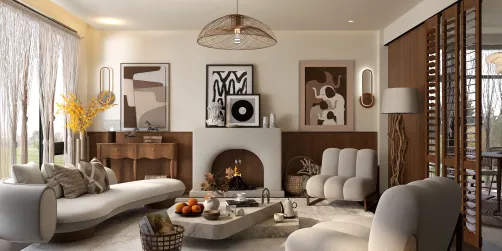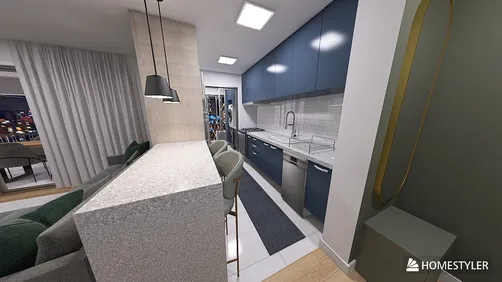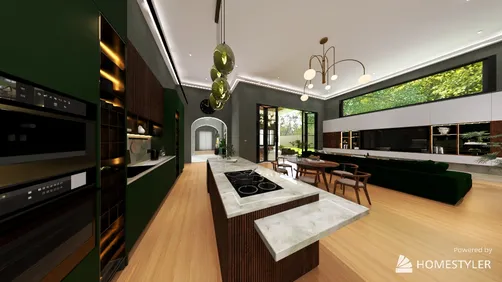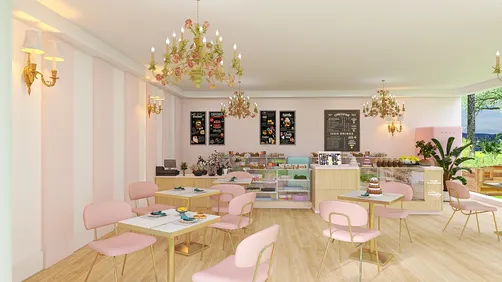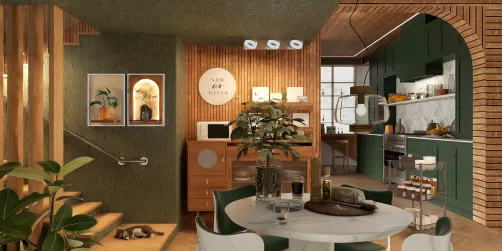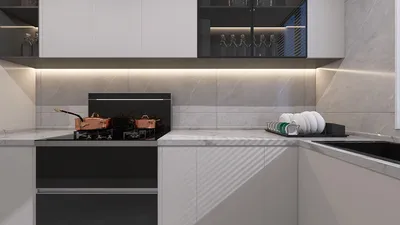



In recent years, a noticeable shift has emerged in interior design, with an increasing number of homeowners opting to incorporate musical features, such as pianos, within their living spaces. Having redesigned various small apartments and family homes, I have discovered that integrating a piano into a living room layout can ignite remarkable creativity in both aesthetics and utility. Small spaces don’t have to impose limitations; instead, they can inspire innovative solutions. In this article, I’m excited to share 10 inspiring living room ideas featuring pianos, drawing from my experiences alongside insights from industry experts.
1. Minimalist Piano Corner
Personal Insight: In one instance, I assisted a young couple in seamlessly integrating an upright piano into their compact city living room by adopting a minimalist design approach—utilizing light colors, streamlined furniture, and avoiding unnecessary decorations. The piano emerged as the focal point without overshadowing the rest of the space.
Advantages: This setup maximizes available floor space, complements contemporary interiors, and fosters a serene atmosphere conducive to focused play. As highlighted by Architectural Digest, minimalism can also alleviate visual stress.
Drawbacks: For those who prefer a cozy, layered look, this style may appear too austere. It could also necessitate more frequent dusting due to bare surfaces.
Suggestion: Incorporate discreet storage ottomans nearby for sheet music to maintain a tidy environment. Explore how a minimalist living room arrangement featuring a piano works in real-life settings.
2. Glass Divider for Piano Area Separation
Personal Insight: In a previous project, I installed a glass partition to subtly distinguish the piano area from the TV lounge. This design prevented excessive sound distortion while still allowing ample light to flow between spaces.
Advantages: It preserves an open feel, provides slight acoustic improvements, and enhances spatial perception. Long-tail keyword: ‘glass room divider in living room’.
Drawbacks: Glass surfaces require regular maintenance and may not fully contain sound for in-depth practice sessions.
Cost Note: The price for a custom glass panel ranges from $300 to $800 based on dimensions and frame quality.
3. L-Shaped Furniture Arrangement Around Piano
Personal Insight: I have a penchant for utilizing L-shaped sofas to elegantly frame the piano, especially in open-concept living areas. This arrangement naturally draws attention to the instrument and cultivates a performance-friendly atmosphere.
Advantages: This configuration optimizes seating while spotlighting the piano, facilitating intimate gatherings for spontaneous recitals.
Drawbacks: If not planned meticulously, it may obstruct natural pathways within the room.
Example: Discover how an L-shaped living space can artfully accommodate a piano corner without sacrificing usability.
4. Wooden Elements for Enhanced Acoustics
Personal Insight: Introducing wooden paneling or a wood veneer wall behind the piano enriches sound warmth while contributing a cozy vibe to the living room. I’ve implemented this in a Scandinavian-style home with excellent outcomes.
Advantages: Wood enhances room acoustics and infuses natural charm. Long-tail keyword: ‘wood accent wall behind piano’.
Drawbacks: This décor choice demands upkeep and may visually darken smaller spaces.
5. Floating Shelves for Sheet Music Storage
Personal Insight: A client sought a storage solution that wouldn't occupy floor space. Installing floating shelves above the piano addressed this issue while elegantly displaying personal keepsakes.
Advantages: It keeps sheet music easily accessible, provides vertical storage options, and allows for personalized styling.
Drawbacks: There's a risk of overloading the shelves, which could clutter the visual aspect of the room.
Suggestion: Avoid placing heavy decorative items directly above the piano for safety reasons.
6. Multi-Functional Music & Reading Nook
Personal Insight: I once converted a corner into a cozy music and library area, featuring a small armchair, soft lighting, and the piano, creating a harmonious atmosphere.
Advantages: This setup offers a versatile retreat perfect for indulging in music or reading. Long-tail keyword: ‘music and reading nook in living room’.
Drawbacks: In exceptionally tight spaces, positioning a chair so close to the piano may cause movement limitations.
7. Wall-Mounted Lighting for Piano Practice
Personal Insight: Wall sconces positioned above the piano not only add sophistication but also save floor space compared to freestanding lamps. This has proven to be my favorite solution for dimly lit apartments.
Advantages: Provides focused lighting for practice, eliminates floor wiring, and enhances overall aesthetics.
Drawbacks: Installation can be complex due to wiring requirements, which may pose challenges in certain rental properties.
8. Incorporating Plants for Organic Vibes
Personal Insight: One delighted client surrounded her upright piano with potted plants, introducing a gentle, organic energy to the otherwise formal ambiance.
Advantages: Improves indoor air quality, stimulates creativity (as per a NASA study on indoor plants), and softens the appearance of angular furniture.
Drawbacks: Requires ongoing maintenance—overwatering near a piano may lead to complications.
Example: Observe how the incorporation of greenery into functional areas breeds warmth and liveliness.
9. Accent Wall Color to Enhance Piano Visibility
Personal Insight: Sometimes, simply painting the wall behind the piano in a striking color—deep blue, terracotta, or emerald—can dramatically uplift the room’s overall aesthetic.
Advantages: An affordable method to create a visual focal point, suitable for both upright and grand pianos.
Drawbacks: Bold color choices may restrict future decorative alterations unless repainted.
10. Sliding Door Concealment for Pianos in Versatile Rooms
Personal Insight: For compact apartments, I have designed sliding barn-style doors that can stylishly conceal the piano when it's not in use, maintaining a tidy appearance for social gatherings.
Advantages: Reduces visual clutter and protects the piano from accumulating dust.
Drawbacks: This solution adds to costs and necessitates sufficient space for the door’s sliding mechanism.
Conclusion
To me, a living room featuring a piano transcends mere placement; it embodies a seamless blend of music and daily life. Smaller spaces often lead to more innovative, personalized designs—reflecting the sentiments of Better Homes & Gardens, where proportion and intentional layout play vital roles. Which of these concepts would you be excited to explore in your own home?
FAQs
1. How can I effectively position a piano in a small living room?
Implement space-saving designs, such as placing the piano against an internal wall while combining it with multifunctional furniture.
2. Is it advisable to place a piano near a window?
Ideally, it should be avoided. Direct sunlight and humidity fluctuations might damage your piano; consider using curtains if needed.
3. What type of lighting is best for a piano area?
Opt for wall-mounted sconces or adjustable lamps that provide focused, task-oriented lighting without occupying floor space.
4. Can I place a rug beneath my piano?
Yes, a low-pile rug can enhance acoustics, but make sure it’s not excessively thick to disrupt the piano’s stability.
5. How do I blend a piano with modern décor?
Select minimalist designs, light finishes, and coordinate accent colors for a cohesive look.
6. Do plants near the piano have a positive effect?
Absolutely, both in terms of aesthetics and air quality, but it’s crucial to water them carefully to avert damage.
7. What measures can I take to maintain good acoustics in a living room with a piano?
Incorporate soft furnishings, curtains, and potentially a wood accent wall for warmth enhancements.
8. Can I conceal my piano when it’s not in use?
Yes, sliding or folding doors are excellent options; see how a barn-door style concealment can enhance multipurpose living spaces.
What began as an Autodesk innovation has evolved into a design platform used by more than 20+ million registered users (platform data, 2026) around the globe. Homestyler combines powerful rendering, an intuitive editor, and a vast furniture library to help you turn inspiration into photorealistic designs — whether you're redesigning a single room or planning an entire home.
Homestyler is an exceptional online home design platform that empowers you to create stunning spaces effortlessly. With its user-friendly design tool, impressive 3D rendering, and a wealth of DIY video tutorials and design projects, you'll find endless inspiration to transform your home beautifully.
تصميم الآن مجانا