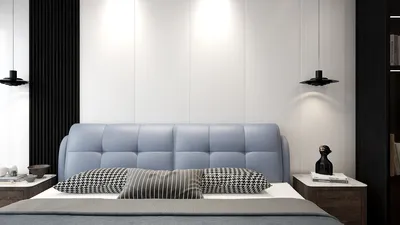


Last year, I worked with a client who was determined to paint their small home office in a deep navy adorned with black trim. Initially, I feared it would resemble a cave. However, once we integrated warm lighting and light oak shelves, it turned into one of the coziest workspaces I've ever designed. This project highlighted how small areas, particularly home offices, can pleasantly surprise you when you take the bold step of playing with color. Today, I’m excited to share ten color ideas inspired by my actual projects and the valuable lessons I've learned along the way.
1. Gentle Sage Green
This tranquil shade brings a touch of nature indoors without being overwhelming. I've utilized it for clients battling work-day stress, and it pairs beautifully with warm wood tones. Just a word of caution—too much green without added texture can come off as flat. Tools like Homestyler can be incredibly helpful to visualize these combinations before making a decision.
2. Warm Terracotta
Terracotta brings a grounded, earthy ambiance—ideal for creative professionals. However, it can make a tiny space feel more compact if the lighting isn't ideal, so it's wise to accompany it with bright accents.
3. Crisp White with Charcoal Trim
This pairing is my go-to for clients seeking clean lines without a cold feel. Charcoal anchors the area while white keeps it fresh and inviting. The trick is to opt for matte finishes, avoiding gloss to prevent glare during video calls.
4. Muted Mustard Yellow
This hue is cheerful without being distracting. I've collaborated with a freelance illustrator who claimed it sparked their creativity. The secret is to maintain balance—using it on just one wall or in small quantities.
5. Soft Lavender
This soothing color is a somewhat unexpected choice for an office. Paired with grey and cream, it offers a sophisticated vibe rather than a sweet one. I prefer to envision it using tools like a free floor plan creator to see how the light interacts throughout the day.
6. Bold Navy
Contrary to popular belief, dark blues can foster a more intimate and focused atmosphere in a small office. Adequate lighting is essential to avoid the dreaded 'midnight cave' effect.
7. Soft Peach
This gentle, energizing color enhances the experience of morning work. However, do keep in mind: under yellowish light, it may appear oddly orange. Testing it with your actual lighting is advisable.
8. Deep Forest Green
This rich hue evokes a boutique library ambiance—perfect for writers or researchers. Leather-bound books look stunning against it. Before painting, I often model the layout using tools like an office layout planner to ensure the dark shade won't dominate the space.
9. Greige (Grey + Beige)
This is a neutral enthusiast's dream: warm enough to be inviting, cool enough to feel modern. The advantage is that it pairs well with nearly any furniture finish.
10. Two-Tone Walls
Combining a deep color on the lower wall with a light neutral above adds character and creates the illusion of higher ceilings. It's a time-tested trick I still utilize for small office areas within living rooms.
FAQ
1. What colors are best for fostering productivity in a home office? Shades of blue and green are often suggested by environmental psychology studies for enhancing focus and calmness.
2. How can paint make a small home office feel larger? Opt for light, airy colors on the majority of the walls and reserve bolder shades for an accent wall.
3. Should dark colors be avoided in tiny workspaces? Not necessarily. With proper lighting, dark tones can create a cozy and concentrated environment.
4. Which colors are ideal for creative work? Warm hues like terracotta or muted yellow can encourage creativity without being overwhelming.
5. What’s a safe color option if I frequently change my decor? Greige or soft white offers versatility and complements many different decor styles.
6. Can lighting affect how paint colors appear? Absolutely. Always test paint samples under the lighting you'll be using every day.
7. What color trends are emerging for home offices in 2024? According to reports from Pantone and design magazines, muted greens and deep blues are very much in vogue.
8. How can I experiment with colors digitally before painting? You can utilize free online tools or interior planners like Homestyler to simulate color and lighting variations before making a final decision.
Homestyler is your go-to online home design platform! With a user-friendly design tool, stunning 3D renderings, and a wealth of DIY video tutorials, you can transform your ideas into reality effortlessly. Explore endless design projects and let your creativity shine!
Design Now for FREE
































