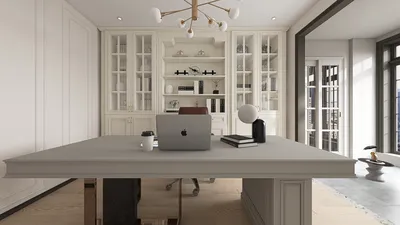


Having spent over ten years in the field of interior design, I can confidently say that crown molding is experiencing a resurgence in popularity within contemporary living room design trends. It's no longer merely a method for bridging the gap between wall and ceiling; it now adds depth, personality, and even a hint of drama. Interestingly, in compact areas, I have discovered that crown molding can serve as a remarkably impactful design feature. Small spaces can kindle grand ideas, and today, I’m excited to present 10 crown molding inspirations that merge my unique experiences with well-founded professional strategies, all thanks to tools like Homestyler.
Timeless White Grace
My Experience: I once incorporated a bright white crown molding into a smaller living area, and it immediately elevated the brightness of the room while giving the ceiling an airy feel.
Benefits: Classic white crown molding harmonizes beautifully with both contemporary and traditional styles. It enhances light reflection, visually increasing the height of your space — a technique supported by insights from Better Homes & Gardens on color theory.
Drawbacks: White surfaces can accumulate dust and show flaws more readily, so regular maintenance will be necessary.
Suggestion: Opt for semi-gloss paint to facilitate cleaning and introduce a discreet luster.
Contrasting Two-Tone Design
My Experience: Painting the crown molding in a contrasting shade from the walls provided one client’s living space with a distinct and elegant appeal.
Benefits: This technique delineates architectural boundaries and makes transitions between the ceiling and walls more pronounced. It's effective for both spacious and cozy living rooms.
Drawbacks: An improper contrast can dominate the space, so testing color samples beforehand is advisable.
Minimalism with Contrasting Edges can redefine modern interiors significantly.
Multi-Layered Crown Designs
My Experience: By layering various molding profiles, I’ve been able to give a budget-friendly installation the appearance of being custom-built.
Benefits: This method introduces a luxe, multi-dimensional effect without needing costly materials — a technique also echoed in the design recommendations of Architectural Digest.
Drawbacks: Precision in installation is crucial and may require additional cutting time.
Suggestion: For smaller rooms, utilize slimmer profiles to avoid overwhelming the area.
Warm Wood Stains
My Experience: During a rustic redesign, I implemented walnut-stained crown molding, which drastically transformed the room's atmosphere.
Benefits: It adds a cozy, organic feel, especially when paired with exposed beams or hardwood flooring.
Drawbacks: Insufficient lighting can render the space darker, so be mindful of light sources.
Wood accents are particularly effective in traditional or farmhouse-style living areas.
Sleek Modern Aesthetics
My Experience: Simple flat crown pieces matching the wall color gave a loft project a clean and cohesive look.
Benefits: This approach ensures a polished appearance, drawing focus to contemporary art or furniture. It integrates well within open-concept layouts.
Drawbacks: Excessive minimalism might leave some spaces feeling underwhelming unless complemented by strong focal features.
Suggestion: Pair with recessed lighting for a subtle yet sophisticated impact.
Incorporation of Cove Lighting
My Experience: Adding LED strip lighting within the crown molding was a personal favorite in one urban apartment — especially enchanting at night.
Benefits: This method provides gentle ambient lighting and allows for adjustable color temperatures, conserving space typically occupied by floor or table lamps.
Drawbacks: The setup can be intricate and may necessitate professional electrical assistance.
Indirect lighting also beautifully enhances kitchens and hallways.
Bold Color Choices
My Experience: Dark navy crown molding against light walls produced a curated and elegant effect in one of my client’s living areas.
Benefits: This choice makes a strong design statement while positioning the molding as an intentional focal point.
Drawbacks: In small rooms, a dark color can visually lower ceiling height, so it should be used judiciously.
Suggestion: This approach works best in spaces with lofty ceilings or abundant natural light.
Intricate Decorative Carvings
My Experience: During a Victorian restoration, we reintegrated floral carvings into the molding, which became an instant conversation piece.
Benefits: This adds historical charm and detailed artistry, especially suitable for period homes.
Drawbacks: Such intricacies can be harder to clean and might clash with ultra-modern decor.
Cost Note: Hand-carved options may come at a premium but provide unparalleled character.
Metallic Accents
My Experience: I explored gold-leaf details on crown molding in an art deco-themed space — an understated yet glamorous touch.
Benefits: These finishes reflect light uniquely and are suited for more formal settings.
Drawbacks: Excessive metallics can become ostentatious, so it's crucial to balance them appropriately.
Extended Drop Crown
My Experience: Implementing a taller crown profile that descends further down the wall grounded a small, narrow area effectively.
Benefits: This creates a robust architectural frame, balancing tall ceilings beautifully.
Drawbacks: It's unsuitable for very low ceilings, potentially making them feel confined.
Conclusion
Compact living areas do not equate to limited design choices — on the contrary, strategic applications like crown molding can enhance their appeal remarkably. As highlighted by HGTV, the right trim detail has the power to redefine an entire environment. Which of these crown molding concepts using Homestyler resonates with you the most for your home?
FAQ
1. What is the ideal color for crown molding in a living area?
Timeless choices are white or light shades, but vibrant colors can serve as a striking focal feature — depending on the size and natural light of your room.
2. Can crown molding visually enlarge a small living room?
Absolutely. Lighter tones and slimmer profiles can draw the eye upward, which is supported by design research from industry sources.
3. Is crown molding considered outdated?
Not in the least — styles evolve. Sleeker profiles or modern features such as cove lighting keep it trendy.
4. What is the cost of professional crown molding installation on average?
Typically, it ranges from $4 to $15 per linear foot, depending on material and intricacy.
5. Is DIY installation of crown molding feasible?
Yes, with fundamental carpentry abilities and the right tools, it’s possible, though precision is essential.
6. What materials are most suitable for crown molding?
Wood, MDF, and polyurethane are popular options, each presenting its price range and finish benefits.
7. Does crown molding complement modern styles?
Certainly, select simpler profiles and paint them in matching or contrasting contemporary shades.
8. Where can I explore crown molding design ideas?
You can view curated designs such as 3D floor plans of living rooms for visual inspiration and layout suggestions via platforms like Homestyler.
Discover the creative power of Homestyler! This user-friendly online design platform offers a robust design tool, stunning 3D renderings, and a wealth of design projects and DIY video tutorials. Whether you're a beginner or a seasoned designer, Homestyler makes transforming your home easy and inspiring!
Design Now for FREE
































