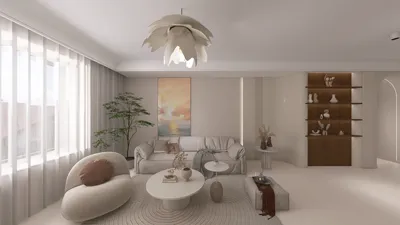


There was a time when a client requested that I hang a painting on their ceiling directly above the bed, expressing a desire to 'sleep under art.' I considered it seriously until it dawned on me that the real concern lay with their awkward furniture arrangement, rather than defying gravity with decorative elements. This realization led me to start viewing wall art as an integral aspect of the overall room design instead of a mere afterthought; if you're revamping your walls, experiment with selecting a vibrant piece while incorporating intelligent room layout strategies right from the beginning.
With more than ten years dedicated to correcting layout errors and infusing personality into compact spaces, I genuinely believe that small areas can ignite significant creativity. In this article, I will present five inspiring abstract wall art ideas that effectively enhance real homes.
1. Large canvas for cozy living spaces
When dealing with limited floor space, I frequently suggest opting for a single large abstract artwork. This approach not only establishes a compelling focal point but also keeps the room from feeling cluttered. It simplifies your color palette and gives the impression that low-level furniture choices were made deliberately, provided there is enough wall area to properly balance the artwork.
Practical suggestion: ensure you measure accurately, and visualize the artwork at actual scale—I've found taping paper on the wall to be effective. Budgeting insight: prints can deliver a similar aesthetic at a more affordable price point; while custom commissions tend to be more expensive, they yield a truly unique piece.
save pin
2. Horizontal gallery arrangement above slim sofas or beds
A horizontal gallery of smaller abstract pieces draws the eye across the space, making it ideal for positioning above sofas or slender beds. The benefit of this arrangement is its flexibility—you can change out pieces depending on the season—but it requires careful composition to prevent a chaotic appearance.
To create unity among the displayed pieces, consider consistent framing or incorporate a shared color accent. I once assisted a client in developing a harmonious gallery strip using thrift store finds and paint color samples; it looked custom-made, was incredibly budget-friendly, and exuded a mature vibe.
save pin
3. Vertical triptychs for an elevated ceiling impression
Utilizing vertically stacked triptychs is a strategy I embrace when aiming to visually enhance a room's height. Three panels featuring a repeating theme draw the eye upwards and can create the illusion of taller ceilings, although careful alignment and spacing are crucial to avoid an amateurish look.
When planning to rearrange the layout concurrently with the art, utilizing a digital room visualization tool can be beneficial—I typically employ 3D floor plans to assess scale and sightlines before finalizing the placement on the wall.
save pin
4. Display ledges for evolving abstract galleries
By installing a shallow picture ledge, you can display abstract canvases leaning against the wall for a relaxed, gallery-inspired ambiance. This is particularly ideal for renters or indecisive decorators, as it allows you to refresh the display without needing to fill multiple holes in the wall. Keep in mind: ledges require robust anchors and careful design to prevent a cluttered or top-heavy appearance.
Combine framed sketches, smaller canvases, and a sculptural item to add depth. I once helped a client avert a design crisis by proposing a single ledge rather than drilling eight holes—this alternative was flexible and accommodating.
save pin
5. Abstracts with texture and unique materials
Not every abstract needs to be a painted canvas—consider exploring textured mixed-media works, fabric panels, or layered plaster to create a tactile visual. Such pieces not only introduce richness but also conceal minor wall blemishes, although they can often be heavier and pricier than flat prints.
For an impactful yet budget-friendly option, experiment with a DIY textural piece on a small panel, pairing it with a straightforward frame. When clients express a desire for their walls to feel inviting rather than just decorative, texture becomes my go-to tool—fitting seamlessly with photorealistic mockups or 3D renderings to visualize the effect from seating areas.
save pin
FAQ
Q1: What size abstract painting should I select for my wall?
I advise choosing a piece that covers approximately 60–75% of the width of the furniture located below it for aesthetic balance. For blank walls lacking anchor furniture, imagine a rectangle that occupies about two-thirds of the wall's height and width.
Q2: How do I choose colors for abstract art in a compact space?
Select one or two colors from the artwork to incorporate as accent colors in cushions or rugs, helping to unify the room. Utilizing neutral tones alongside a bold color prevents the space from feeling cramped while allowing the art to stand out.
Q3: Can abstract art be incorporated into minimalist interiors?
Definitely—abstract pieces can serve as striking focal points within minimalistic spaces. Opt for a single, understated composition and position it with ample negative space to preserve the minimalist aesthetic.
Q4: How high should I hang a painting?
Position the artwork's center at eye level—typically around 57–60 inches (145–152 cm) from the floor—unless your furniture is low or ceilings are high, in which case, adjustments should be made for optimal viewing angles.
Q5: Are DIY abstract paintings a feasible option?
DIY artworks can be stunning and personal, particularly if you are budget-conscious, but it’s important to be realistic regarding scale and finishing. If you're uncertain, create a small-scale study first before committing to a larger canvas.
Q6: How can I safeguard expensive abstract paintings?
Utilize UV-protective glass for framed pieces and avoid placing them in direct sunlight or humid areas. For additional care recommendations, consider consulting the conservator guidance available on the Museum of Modern Art (MoMA) website (https://www.moma.org).
Q7: What is an easy method to preview art in my space?
Take a photo of your wall and employ straightforward drag-and-drop mockup applications or print life-size templates to test different sizes. If you're redesigning the entire room, creating a digital mockup with accurate scale can provide reassurance—I often utilize 3D floor planning during design consultations.
Q8: Can abstract art enhance the resale value of my home?
Certainly—thoughtfully selected abstract pieces can give a space a curated and contemporary feel, aiding potential buyers in envisioning a polished home. When staging for sale, stick to neutral-friendly palettes to appeal to a wider audience.
save pin
Homestyler is your go-to online platform for home design! With its user-friendly design tool, stunning 3D renderings, and a wealth of DIY video tutorials, you can effortlessly transform your space and explore endless design possibilities. Unleash your creativity today!
Concevez maintenant gratuitement
































