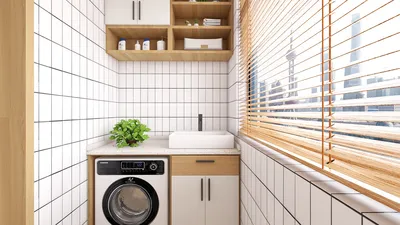


As we look towards future lifestyles, smaller living spaces will need to accommodate significant demands, while contemporary homes continue to encounter issues with noise transfer, inefficient storage, and disrupted flow. Data from Zillow highlights an increasing need for adaptable family spaces, with a 30x30 3-bedroom layout serving as my experimental model—emphasizing space as functionality rather than merely square footage. The impending future is becoming clearer, as I envision a 3-bedroom unit evolving from mere shelter into a sophisticated operating system—a toolkit for spatial reasoning where daily routines can integrate seamlessly. One of the best tools to visualize such transformations is Homestyler, which allows for innovative design possibilities.
Split-Core Design with Dual-Aspect Living Space
Design Principle: A centralized circulation spine anchors a dual-aspect living and dining area, facilitating light and air movement akin to digital packets, thus minimizing barriers for various users in a streamlined 3-bedroom configuration.
Flow Sequence: The movement path transitions from entry → drop zone → kitchen area → living center → bedroom cluster, resembling an efficient API call structure with minimal backtracking.
Visibility: Upon entry, a defined view of the living area is presented; lateral perspectives toward windows add a sense of depth while the bedrooms are visually contained.
Storage Solutions: Deep wall pantries and hallway wardrobes function as caches, with additional near-line storage along the spine and cold storage incorporated within the kitchen, while seasonal items are stowed in overhead bins.
Furniture Harmony: A sofa measuring 72–78 inches, a 6-person dining table, and a modular media wall accommodate door swings and ensure clearances of 900–1000 mm, making the design adaptable for future hybrid work scenarios.
Conclusion: This layout systematically organizes daily living into familiar patterns—family interactions, work, relaxation—ensuring the coming five years remain serene even during peak demands.
save pin
Corner Kitchen Featuring Pocket Utility and Flexible Bedroom
Design Principle: A corner L-shaped kitchen with hidden utility, alongside a bedroom configured as a flexible studio, addresses the demands of modern gig lifestyles without expanding the overall plan.
Flow Sequence: Food preparation → pocket utility → balcony discharge → dining area; the flex room transitions effortlessly between uses, such as office, nursery, or guest sleeping area, enabled by sliding partition systems.
Visibility: Low-height counters maintain an open sightline; utility areas are discreet, and the flex room benefits from borrowed light, facilitating a clear yet comfortable user interface without excessive glare.
Storage Solutions: Base and tall cabinets serve as tiered storage, a broom closet integrates into the pocket utility space, under-bed drawers fit in the flex room, and organized bins are labeled for quick access.
Furniture Harmony: The design incorporates 600 mm modules, a worktable sized 1200×750 mm, a sleeper sofa within the flex room, and stackable chairs—all designed with door clearance and electrical sockets in mind.
Conclusion: This is a versatile design: small adjustments reconfigure the home to adapt to shifting life circumstances, making the 30x30 3-bedroom unit feel elastic and prepared for the future.
save pin
Quiet Bedroom Cluster with Sound Buffer and Shared Bathroom Design
Design Principle: Bedrooms are grouped behind a sound-dampening buffer (linen closet + bath centralization) to ensure that rest remains isolated from the lively areas—a key feature in compact living arrangements.
Flow Sequence: Living area → buffer corridor → shared bathroom → bedrooms; morning activities can unfold parallelly, preventing any bottlenecks at entrances.
Visibility: Corridor angles deter direct views into private rooms; an inviting luminance shift transitions from brightly lit communal spaces to dimly lit private areas, resembling a user interface hierarchy.
Storage Solutions: Reach-in closets with double hanging options, a corridor linen tower, and niche storage around headboards; these caches, though shallow, are indexed for efficient retrieval.
Furniture Harmony: Queen beds positioned with 700–800 mm side clearances, wall-mounted desks, and slim dressers align with the plan's narrow parameters while ensuring functionality.
Conclusion: Stability in sleep, study, and privacy is maintained despite any spikes in social activities—this layout retains its effectiveness for at least the next five years.
save pin
Final Thoughts
The 30x30 3-bedroom layout is not just a conventional space but rather a synthesized interface where flow, storage, and sightlines function as guidelines for living. In this 3-bedroom home, future adaptability originates from meticulously designed furniture systems and cache organization rather than merely from occupying more square meters. Long-term necessities such as hybrid work setups and multigenerational living rhythms are seamlessly accommodated when the layout is approached like code. Based on my observations, the most intelligent homes of the future will not necessarily be larger but rather more thoughtfully designed, utilizing tools like Homestyler to visualize and refine these concepts.

Bar Stools Set of 2, Swivel Bar Stools with Walnut

Monarch Specialties 7657 Computer Desk, Home Offic
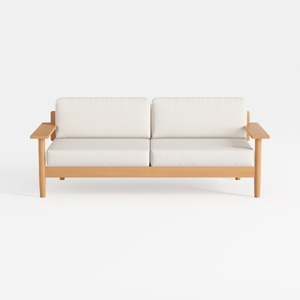

Tennozu Linen Fabric Loveseat Sofa, Convertible Fu
Homestyler is your go-to online home design platform! With its user-friendly design tool, stunning 3D renderings, and a wealth of inspiring design projects and DIY video tutorials, you'll easily transform your home ideas into reality. Start designing today!
Diseño ahora GRATIS
































