

In my experience, I once worked with a client who wanted their laundry cleverly concealed behind a faux bookshelf. This unusual request made me explore every inch of a 28-square-meter apartment, demonstrating that even compact spaces can inspire innovative solutions. If you’re struggling to find a suitable washer and dryer combination for small areas, I've got practical solutions from real projects, some of which brought me to the verge of tears.
1. Stacked Washer-Dryer Cabinet
Installing a compact washer and dryer within a tall cabinet is my preferred strategy when space is limited. This approach saves floor space and maintains an organized appearance, but it does require careful consideration for ventilation, door access, and maintenance—don’t obscure the unit so much that repairs turn into a renovation project.
I typically include removable panels and a small pull-out shelf for laundry baskets; this is a cost-effective solution that significantly reduces the need to bend down. Anticipate moderate expenses for cabinetry and ensure the floor can support the weight of the appliances—some may require reinforcement.
save pin
2. Under-Counter Combo
Positioning a front-load washer-dryer combo beneath the countertop creates a streamlined workflow between the kitchen and laundry area. This is especially beneficial for small apartments as it can fit seamlessly into existing cabinetry. However, keep in mind the need for moisture control under wooden surfaces; water-resistant materials are recommended.
Tip: Incorporate shallow drawers next to the machine for storing detergents and lint traps. The resultant aesthetic is rewarding, with the main challenge being the neat installation of plumbing without sacrificing cabinet space.
save pin
3. Closet-to-Laundry Conversion
Transforming a linen closet into a compact laundry space is often a convenient option. By using a ventless heat-pump washer-dryer or carefully routed venting, you can fit a full laundry unit into the space that once stored towels. When reconfiguring enclosed areas, I like to draft a vertical stacking layout on paper first to ensure all doors and clearances function properly.
Converting closets tends to be budget-friendly, especially if plumbing is already nearby, but upgrading electrical systems can increase costs. I always double-check measurements and ensure that a service panel is accessible.
save pin
4. Integrated Laundry Corner in the Bathroom
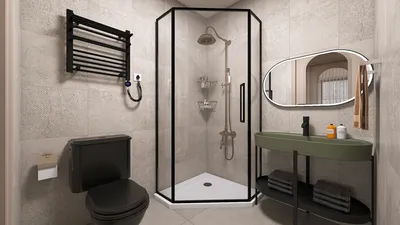
The bathroom is often overlooked as a laundry space. A corner stack or slim combo unit next to the sink can effectively muffle noise and keep wet tasks centralized. Just be cautious of humidity—installing a reliable exhaust fan and water sensors can help prevent mildew and other surprises.
In one case, I routed plumbing to a bathroom wall for under $300; it's frequently more affordable than assumed. However, a potential drawback is the loss of some bathroom storage unless you’re inventive with recessed shelving.
save pin
5. Concealed Units in Cabinets
For those with an eye for design, fold-down units or appliance lift systems provide the option to conceal laundry machines behind a customized panel, exposing them only when necessary. Keeping this area tidy most of the time is a significant advantage for smaller homes, and utilizing tools like Homestyler helps in visualizing layouts to alleviate any concerns about claustrophobia.
While these designs can appear sophisticated, they might require a larger budget and precise craftsmanship. If finances are limited, consider replicating the look with basic bi-fold doors and soundproofing materials.
To summarize: focus on accessibility for maintenance, proper ventilation, and allocating some storage space for detergents. Small adaptations can lead to substantial improvements, especially when user flow is prioritized.
save pin
FAQ
Q1: What size washer-dryer combo is suitable for most compact apartments?
A compact front-load combo (approximately 24 inches in width) is ideal for most small living spaces. Always measure your doorways and clearances beforehand; even a small difference of 1-2 inches can disrupt the installation process.
Q2: Are ventless washer-dryer combos practical?
Ventless models are advantageous where external venting isn’t an option and help to simplify design challenges. However, they generally have longer cycles and a higher initial cost. They fit well in closets and upper-floor apartments.
Q3: How loud are combo units during operation?
Noise levels can vary by model; search for appliances with superior vibration control and lower decibel ratings. Installing the washer on anti-vibration pads and isolating cabinetry can significantly decrease perceived noise.
Q4: Is it permissible to install a washer-dryer in the bathroom?
Yes, many compact apartments do incorporate laundry into the bathroom. It’s crucial to ensure proper waterproofing, along with an exhaust fan and GFCI-protected outlets to comply with safety regulations.
Q5: What about energy and water efficiency?
Front-loading and heat-pump combos typically offer better efficiency. According to ENERGY STAR, high-efficiency washers may utilize around 25% less energy and 33% less water than traditional models (ENERGY STAR).
Q6: What should I budget for installation costs?
Basic DIY hookups could be done for a few hundred dollars, but expect to pay between $500 and $1,500 if you need to add electrical, vents, or carpentry work. Moving plumbing or service panels can be even more costly.
Q7: Can combo units accommodate large loads?
Most compact combos are suitable for smaller loads, ideal for singles or couples; however, families might find multiple cycles necessary. Always check the drum capacity in liters or cubic feet when making a decision.
Q8: How frequently should I maintain the washer-dryer unit?
After each drying cycle, clean the lint trap (if applicable) and perform a monthly maintenance wash or descaling as recommended by the manufacturer. Regular maintenance helps prevent odors and efficiency drops.
save pin
Homestyler is your go-to online platform for home design! With its easy-to-use design tool, stunning 3D renderings, and a wealth of design projects and video tutorials, you can effortlessly transform your home ideas into reality. Perfect for both beginners and seasoned designers!
Design Now for FREE
































