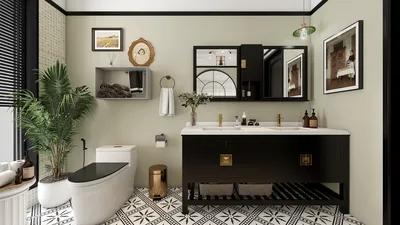


One time, I hastily installed a stunning wall sconce upside-down while racing between client visits — the client found it amusing and joked that I had created avant-garde lighting. That little setback highlighted for me how small spaces often embrace creativity rather than dismissing it. Little areas compel you to be innovative: a wall light sconce can serve as a centerpiece, a functional light source, and a mood enhancer all simultaneously.
1. Swing-Arm Wall Sconce for Bedside Reading
In compact bedrooms, I opt for swing-arm wall sconces since they take the place of bulky lamps while providing targeted task lighting. They are ideal for late-night reading, freeing up your nightstand for a drink or a favorite novel. A minor drawback is that you will need either a stud or a robust drywall anchor for heavier designs, but installing an articulated arm is simple and rewards you with nightly convenience.
save pin
2. Integrated LED Strip Sconce for Ambient Glow
Long, slim LED wall sconces tucked behind a narrow shelf create a soft light wash that visually expands a tight hallway or entryway. I implemented this in a small condo, and clients frequently mention how the area feels more spacious and tranquil. The only challenge lies in selecting the right color temperature — too cool can feel cold, while overly warm tones can wash out colors — thus I prefer tunable LEDs for flexibility.
save pin
3. Mirror-Mounted Sconces to Boost Light and Depth
Positioning sconces on either side of a compact bathroom mirror enhances grooming tasks and serves as stylish accents. During a recent renovation, I replaced an overhead fixture with a pair of sconces, which significantly diminished shadows on faces. The only trade-off is in placement: you’ll need to pay attention to the mirror height and switch wiring, but the clarity improvement is worth the minor effort.
save pin
4. Decorative Statement Sconce as Small-Space Artwork
When there's no floor space available, a sculptural sconce can function as both wall art and a light source. I selected a striking brass sconce with a unique silhouette for a micro-living room, and it soon became the focal point of conversation. It's important to be mindful of scale — oversized pieces can dominate a space; instead, choose a slim-profile sconce for visual balance.
save pin
5. Adjustable Directional Sconce for Multipurpose Rooms
In studio apartments, I prefer directional wall lights that can transition from spotlighting a work desk to developing a cozy corner. They offer flexibility and cut down on the need for multiple fixtures. The minor challenge is managing wiring and switch locations, but incorporating a dimmer adds versatility and atmosphere control.
save pin
Tips 1:
A practical budget tip is that plug-in wall sconces are an economical and quick solution for renters, whereas hardwired alternatives tend to appear neater and provide better long-term value. If you wish to experiment with layout planning before making a purchase, I often suggest using a 3D floor planner, like Homestyler, to visualize scale and light positioning.
save pin
FAQ
Q1: What height should I place a wall light sconce?
A1: A good rule of thumb is to install sconces so that the center of the light is about 60–66 inches (152–168 cm) from the ground. This positioning keeps the light at eye level for most individuals and minimizes glare.
Q2: Are wall sconces good for small spaces?
A2: Absolutely, sconces help free up floor and table space, provide layered lighting options, and can act as decorative elements. They're most effective when combined with ambient and task lighting.
Q3: Can I install a sconce myself?
A3: If you're comfortable with basic electrical tasks and familiar with local regulations, you can certainly attempt it yourself; however, it's advisable to consult a licensed electrician for hardwired sconces, while plug-in versions are generally DIY-friendly.
Q4: What style of sconce suits modern small apartments?
A4: Slim-profile sconces with matte finishes or minimalist metal designs are ideal. Consider adjustable arms for functionality and integrated LEDs for a streamlined look.
Q5: How do I choose the right bulb for my sconce?
A5: Select bulb wattage and color temperature according to their intended use: 2700–3000K for warm ambient light, 3000–4000K for task-specific lighting. Always check the fixture specifications for maximum wattage guidelines.
Q6: Will sconces provide enough light for tasks?
A6: Indeed, when installed properly (for example, next to mirrors or above desks) and coupled with task-appropriate bulbs or dimmers, they can be highly effective.
Q7: Where can I visualize different sconce layouts before buying?
A7: I frequently utilize online room planners to experiment with placements and proportions, which saves time and minimizes the risk of returns. A great tool to consider is the floor plan creator from Homestyler.
Q8: Are there safety standards for wall sconces?
A8: Yes, fixtures must comply with local electrical codes and possess the required UL/CE certifications; for explicit requirements, refer to the National Electrical Code (NEC) or relevant authorities in your country.
save pin
Looking to transform your space? Homestyler is your go-to online home design platform! With its user-friendly design tool, stunning 3D renderings, and a wealth of inspiring design projects and video tutorials, you can effortlessly create the home of your dreams. Start designing today!
Zaprojektuj teraz za darmo
































