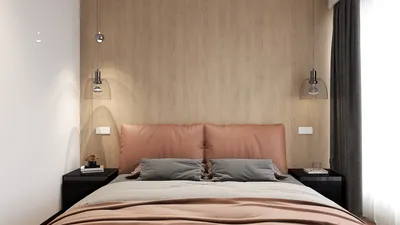


There was a time when I installed a chandelier so low in a friend's living room that their cat could touch it — a memorable lesson learned about scale. Now, whenever I embark on a project for a room with high ceilings, I make it a habit to create a quick visualization, often leveraging 3D renderings to assess sightlines before making any purchases. Whether your space features lofty ceilings or has limited room but significant height, I've found that compact areas can ignite immense creativity. Here are five strategies that I regularly employ.
1. Layer your lighting to manage vertical drama
High ceilings call for a dynamic approach to lighting: combining ambient chandeliers with mid-level pendants and adding floor or table lamps can ground the seating area. This method not only creates a theatrical atmosphere but also introduces depth; however, it's important to watch the costs. High-quality layered lighting can be pricey, but I often balance this by pairing one eye-catching fixture with more affordable LED lights to stay within budget.
save pin
2. Ground the room with large-scale art and rugs
Large walls tend to overwhelm smaller pieces, so opting for big art or creating a gallery wall that spans vertically can make a significant impact. Incorporating plush rugs and lower furniture establishes a horizontal base that visually anchors the space. The challenge often lies in selecting the right rug size, but custom or layered rugs provide versatile, cost-effective solutions.
save pin
3. Introduce a mezzanine, loft nook, or a vertical reading corner
Transforming unused vertical space into a mezzanine can provide practical square footage for a small library, office, or guest nook. If constructing a mezzanine exceeds your budget, consider using freestanding loft-like shelving or tall platforms for window seats, which offer similar visual layers. I often utilize Homestyler to visualize mezzanine concepts quickly, ensuring safety and effective circulation while also evaluating how natural light interacts within the space.
save pin
4. Strategically use tall storage and display solutions
Utilizing tall cabinets, bookcases, and vertical shelving not only elevates function but also celebrates height. Open shelving above and closed storage below achieves a good balance between display and practicality. Keep in mind that reaching the highest shelves can be a challenge — think about including integrated ladders or placing everyday items in lower drawers, reserving the top shelves for seasonal decor.
save pin
5. Consider furniture scale and sightlines for optimal comfort
Select seating with generous sizes and low profiles to help individuals feel anchored under a tall ceiling; avoid smaller pieces that can make the area feel like a stage set. For layout assurance, create mock-ups of your seating arrangements and experiment with several concepts before finalizing — this approach can minimize returns and contribute to a more cohesive space.
save pin
FAQ
Q1: What ceiling height should I aim for to achieve both grandeur and coziness in my living room?
A: Ceilings that rise above 10 to 12 feet are generally perceived as "tall" and allow for dramatic design elements; if your ceiling height is greater, incorporate horizontal elements such as rugs, art, and furniture arrangements to maintain balance.
Q2: What are the optimal lighting layers for high ceilings?
A: A well-designed combination of ambient overhead fixtures, mid-level pendants, and task lighting positioned at seating height works best; incorporating directional accent lights will enhance the overall mood.
Q3: Are mezzanines both safe and cost-effective?
A: While mezzanines offer significant value and utility, they do require structural assessments and often the necessary permits. To save on costs, look into modular loft kits or built-ins that replicate the advantages of mezzanines without the same expense.
Q4: How can I hang large pieces of art without overwhelming the space?
A: Ensure the scale of the art aligns with the furniture below it (aim for widths around two-thirds of the sofa width) and consider using vertical triptychs or stacked arrangements that complement the height of the wall.
Q5: What about sound issues in lofty living rooms?
A: Tall spaces can amplify sound; consider softening acoustics with layered textiles such as rugs, curtains, and upholstered furniture. Acoustic panels that serve as art pieces can also help if noise is a concern.
Q6: Can plants enhance a high-ceiling living room?
A: Definitely — tall plants draw the eyes upwards and bring life into the room. Choose species that exhibit vertical growth and position them near windows or in corners to accentuate height.
Q7: Do you have any quick budget-friendly tips for transforming tall areas?
A: A fresh coat of paint for contrast, a standout light fixture, layered rugs, and a single large artwork can all create a high-impact transformation without straining your budget.
Q8: Where can I find more information regarding effective lighting strategies?
A: For expert advice on lighting and energy efficiency, check out the U.S. Department of Energy's recommendations on lighting selections: https://www.energy.gov/energysaver/lighting-choices-save-you-money.
save pin
Homestyler is your go-to online home design platform! With its user-friendly design tool, stunning 3D renderings, and a wealth of DIY video tutorials, you can effortlessly create and visualize your dream spaces. Transform your home design ideas into reality today!
Design jetzt kostenlos
































